Fire Damage Restoration Hopkins MN for Safer Recovery
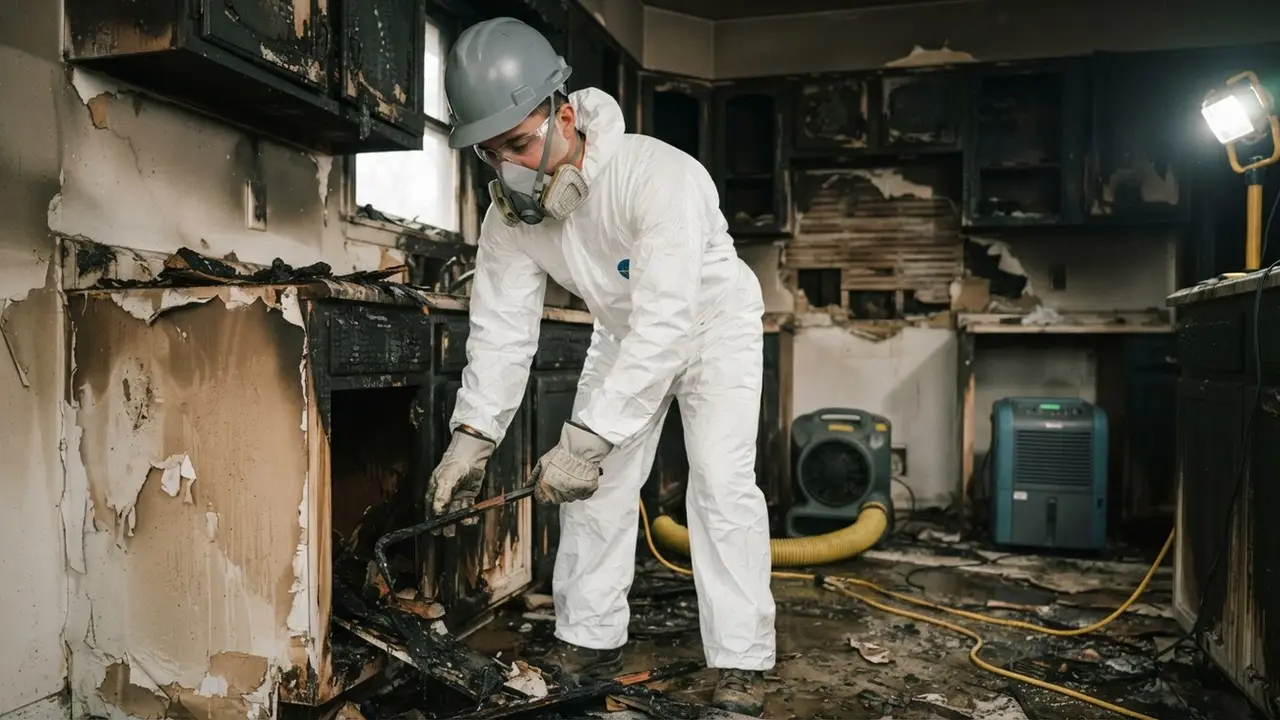
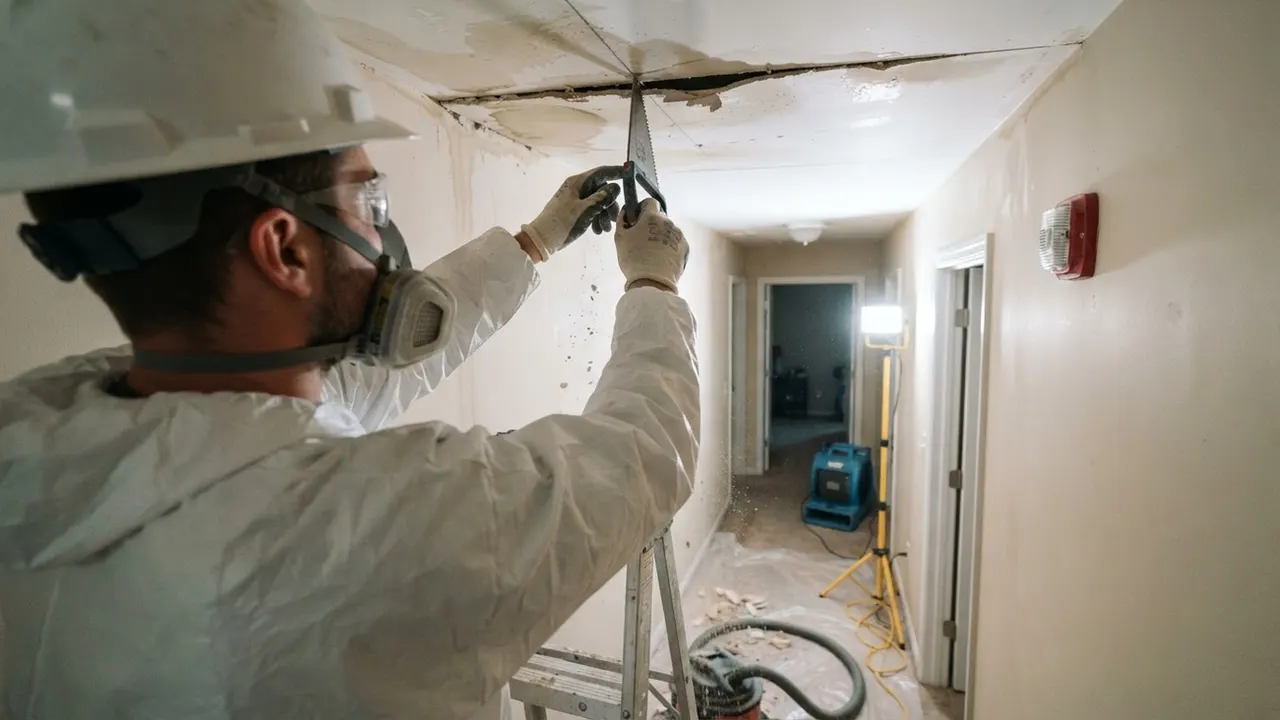
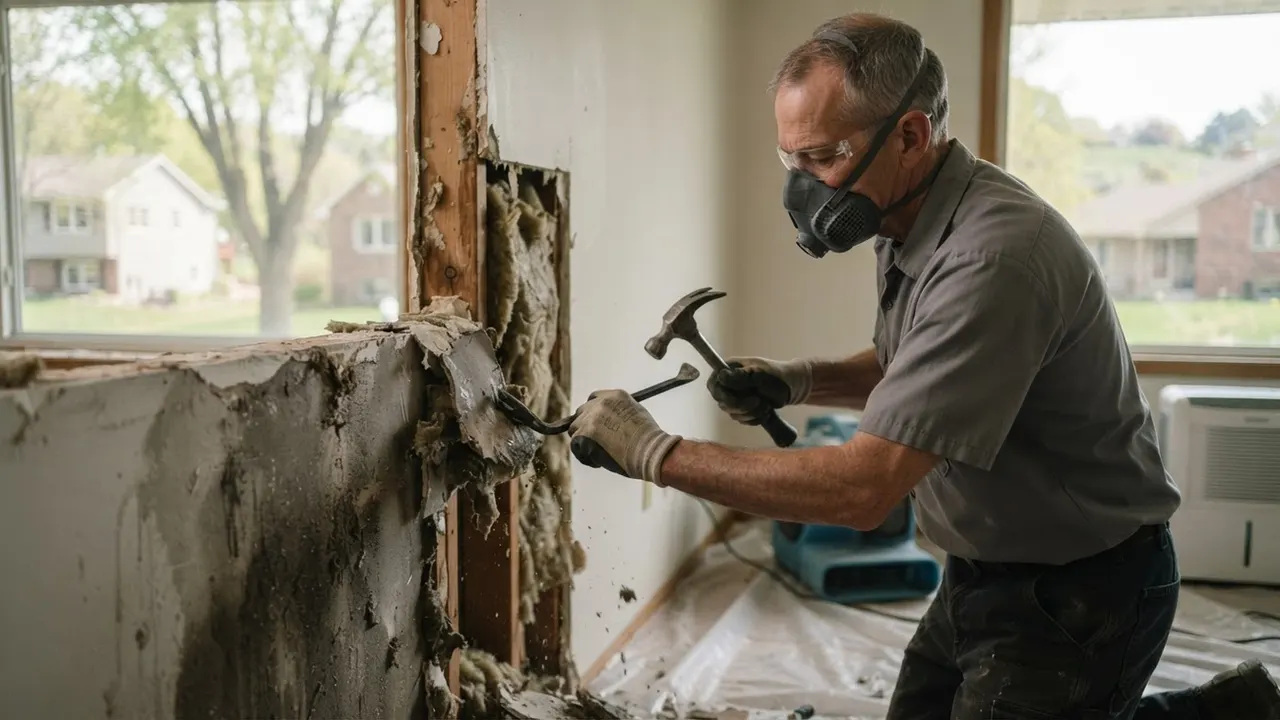
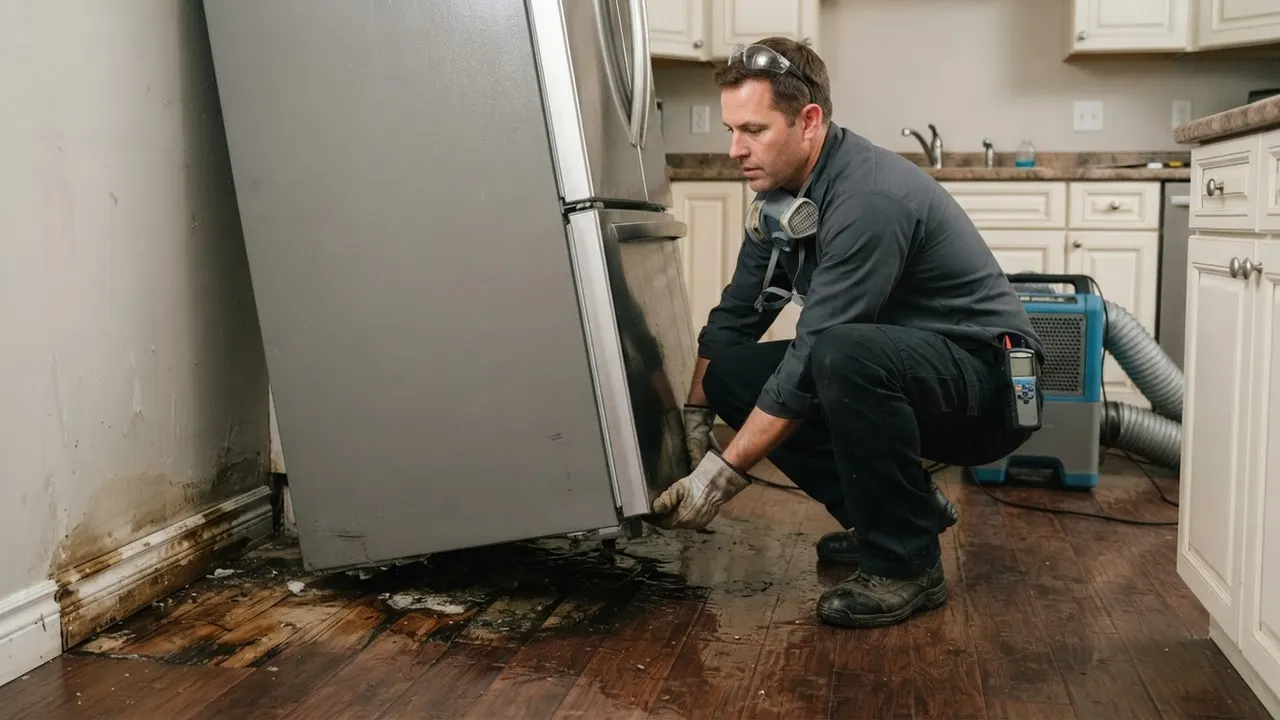
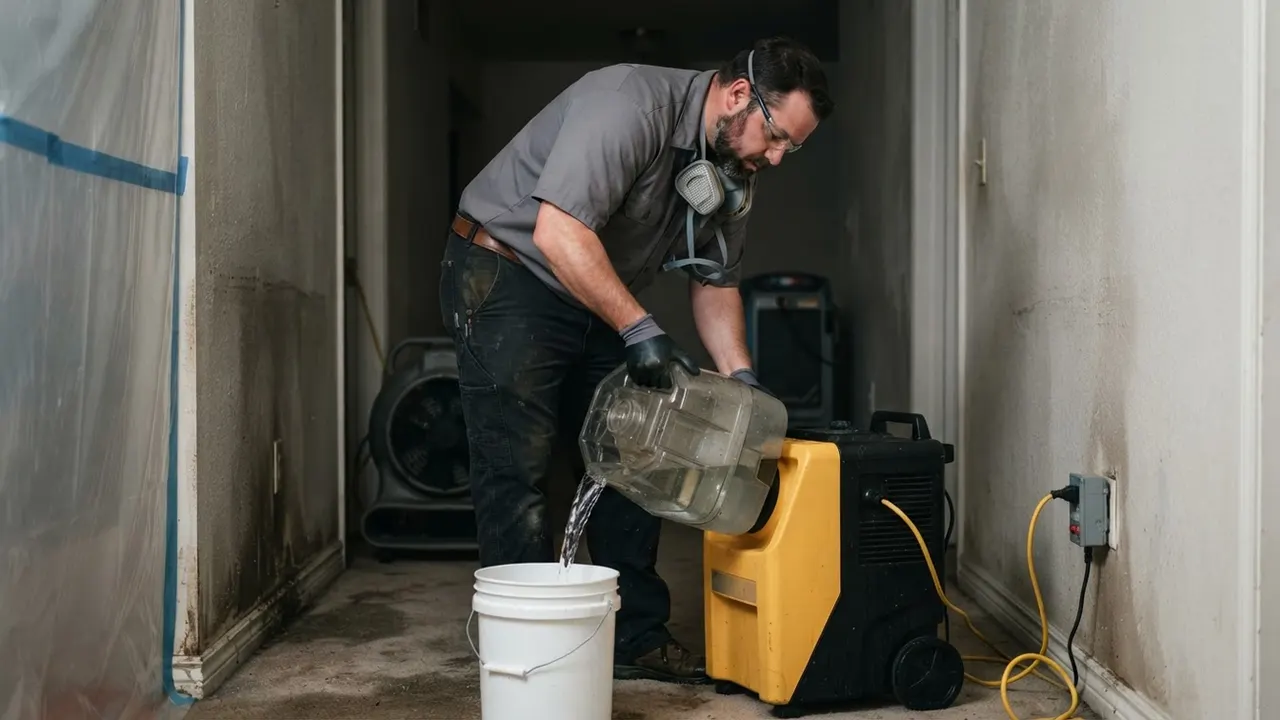
Fire damage restoration Hopkins MN helps homeowners, tenants, and businesses deal with soot, smoke, heat, and water left by firefighting. Our team assesses affected rooms, protects salvageable contents, and plans cleaning and structural work around the damage. If you need fire damage repair Hopkins MN after a kitchen flare-up, electrical fire, or larger loss, call us before residue spreads or wet materials sit. We explain the next steps plainly.
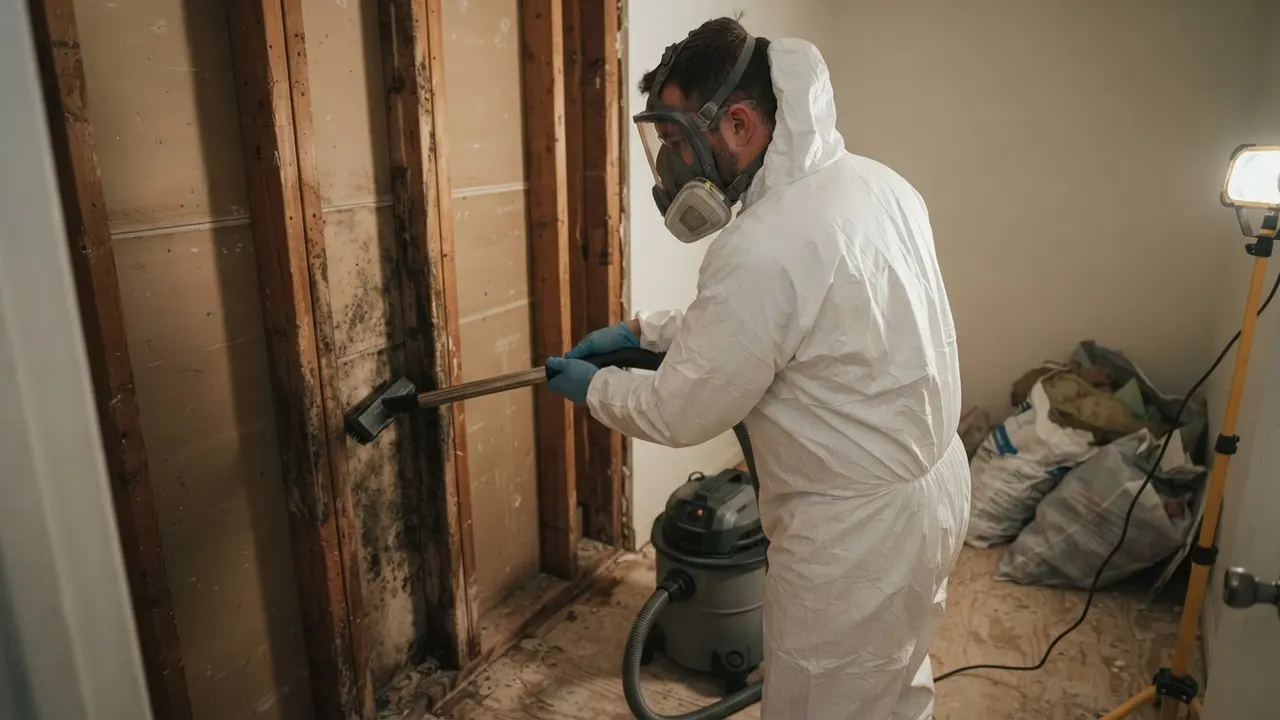
Fire damage restoration includes assessing affected rooms, controlling soot migration, cleaning suitable surfaces and contents, and addressing smoke odor. When firefighting leaves water, extraction and structural drying are coordinated with the cleanup. Building repairs and replacement materials depend on what the inspection finds; we explain the work by area so you can see how cleaning, contents handling, and reconstruction fit together.
Damage Assessment
We inspect the burn area and nearby rooms for soot, smoke travel, heat effects, and water intrusion. You receive a clear explanation of what surfaces and contents appear affected and which areas need closer evaluation before cleaning.
Soot and Residue Cleaning
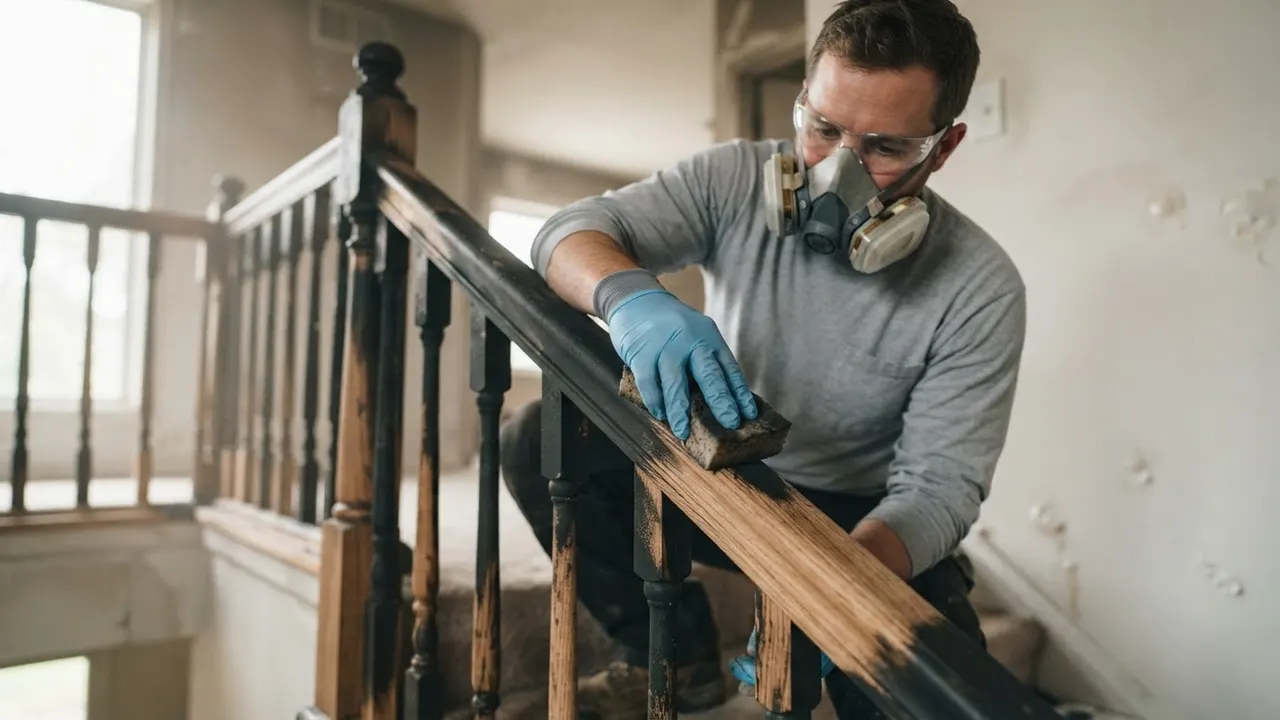
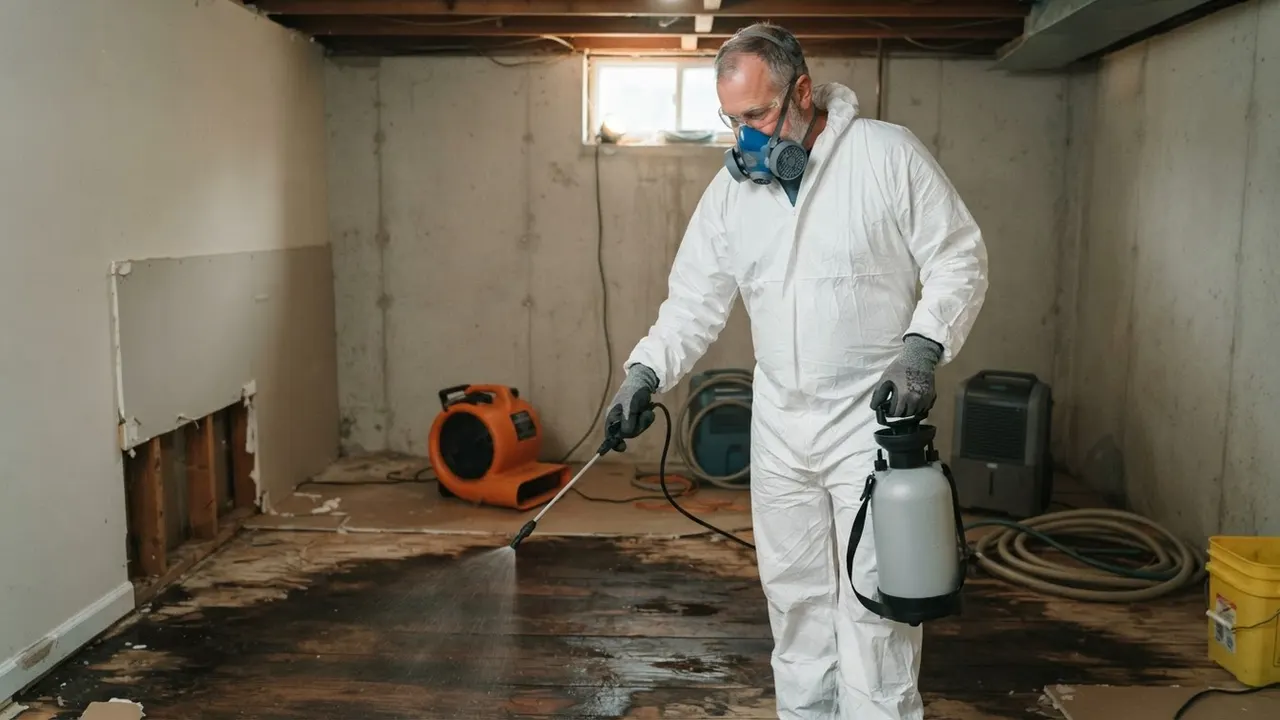
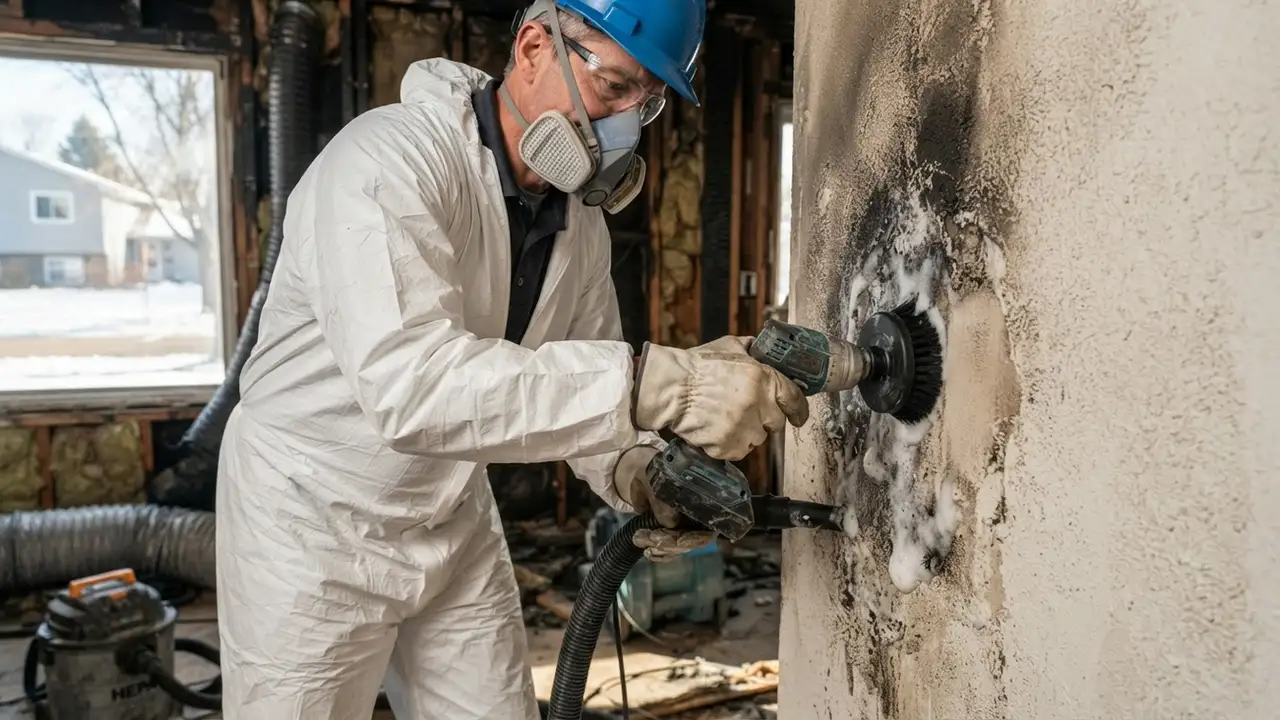
We remove residue using methods suited to the deposit and surface, including dry cleaning techniques and compatible wet cleaning. The process helps prevent smearing soot into paint, wood, textiles, or other porous finishes.
Containment and Filtration
We separate active work zones from cleaner areas with protective barriers and appropriate air filtration. This reduces the chance that particles move through the property as technicians clean and handle damaged materials.
Water Extraction and Drying
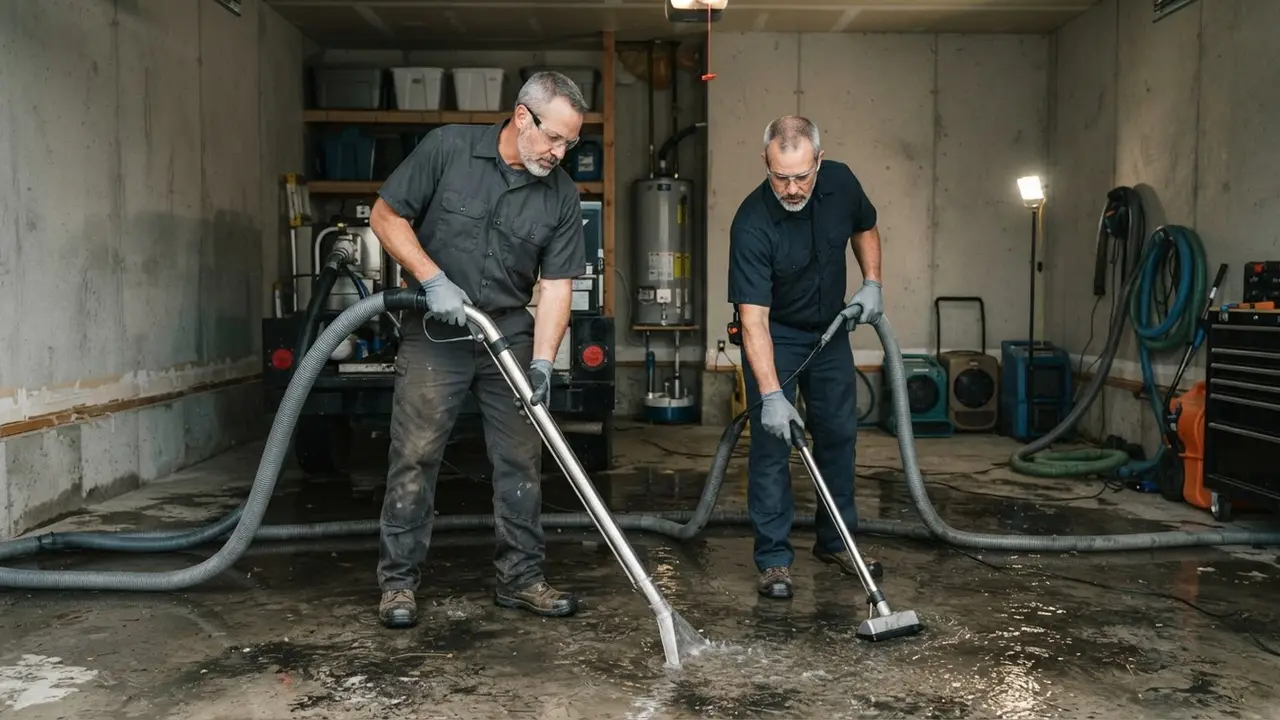
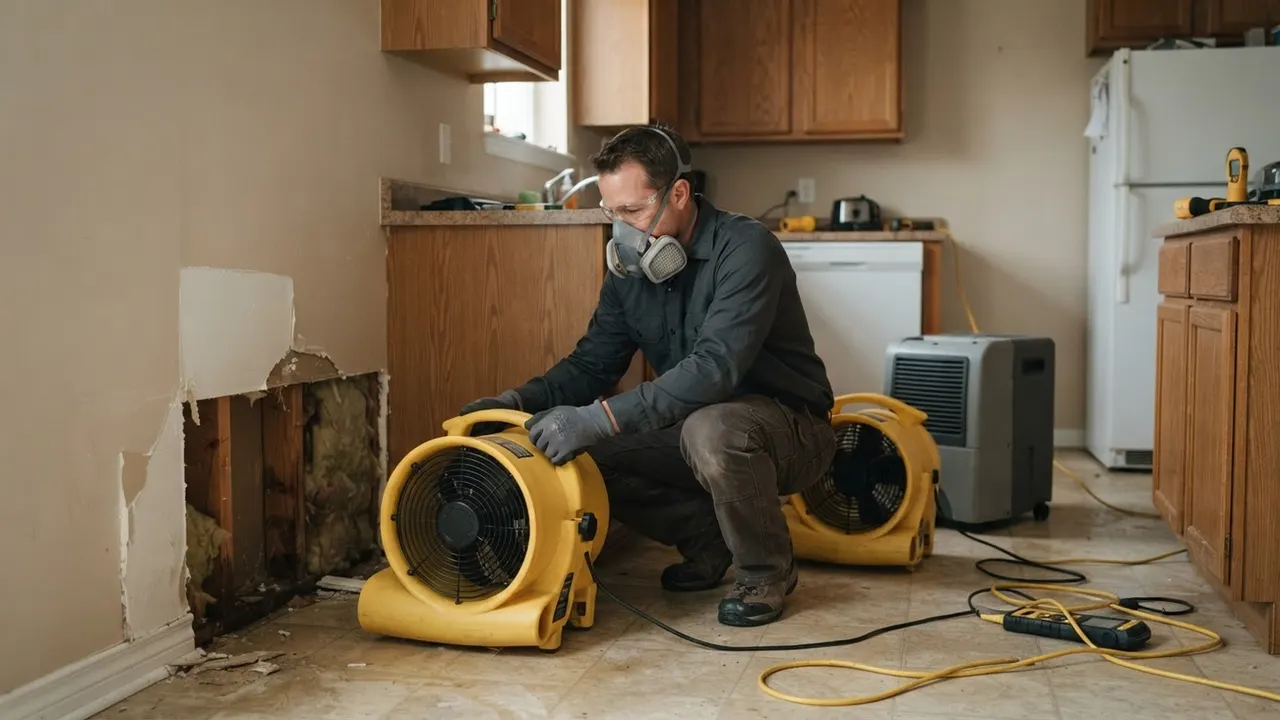
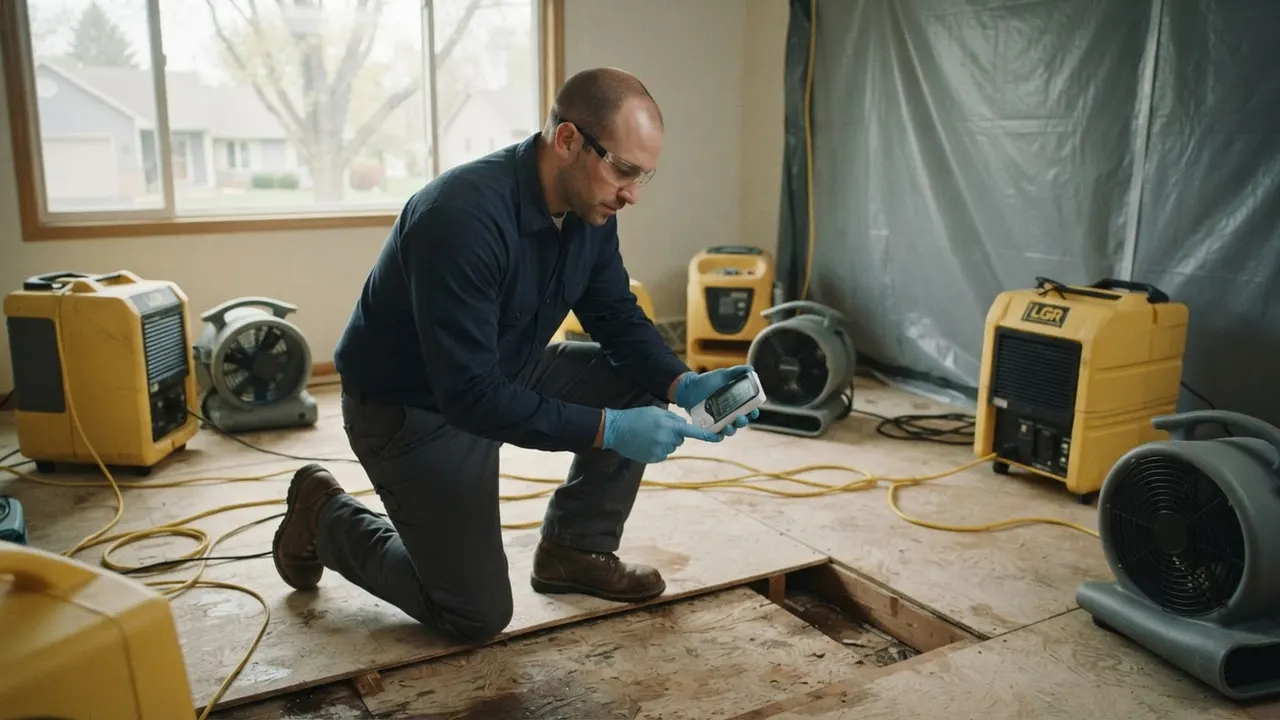
Where hoses or sprinklers leave water, we extract standing water and monitor damp materials. Air movers and dehumidifiers support drying, while follow-up readings help determine whether framing and drywall are ready for repair.
Contents Coordination
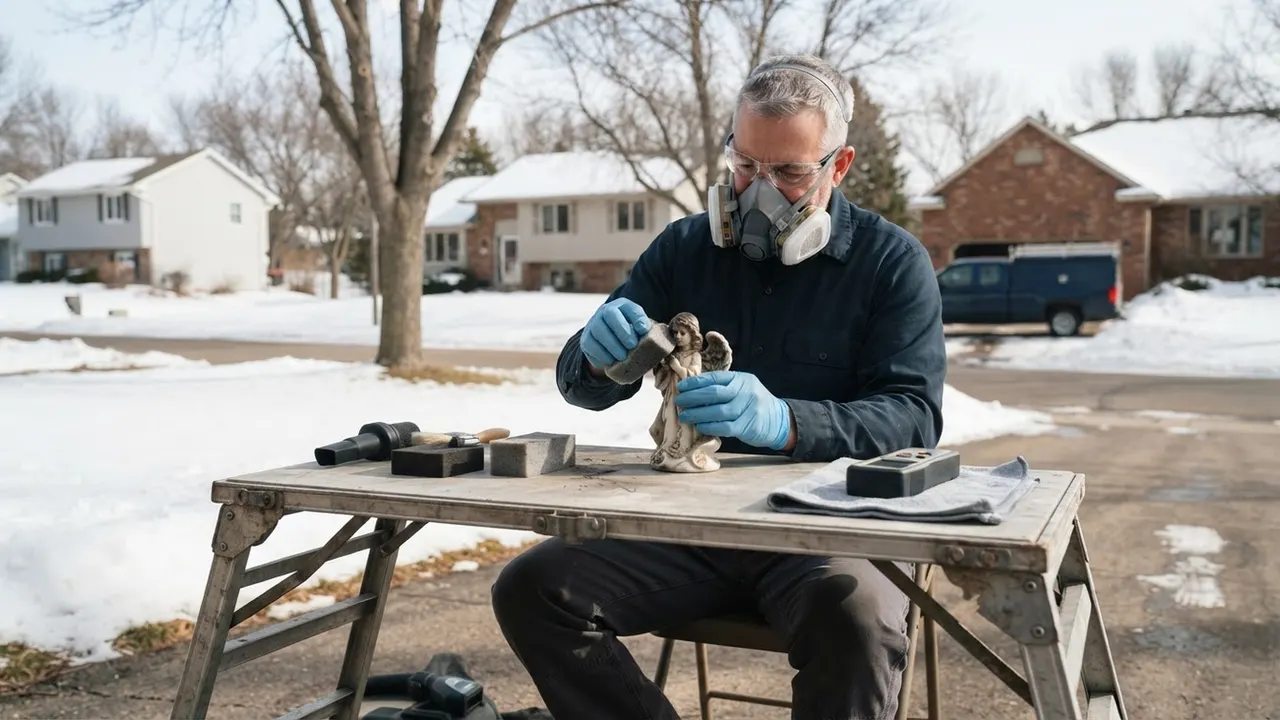
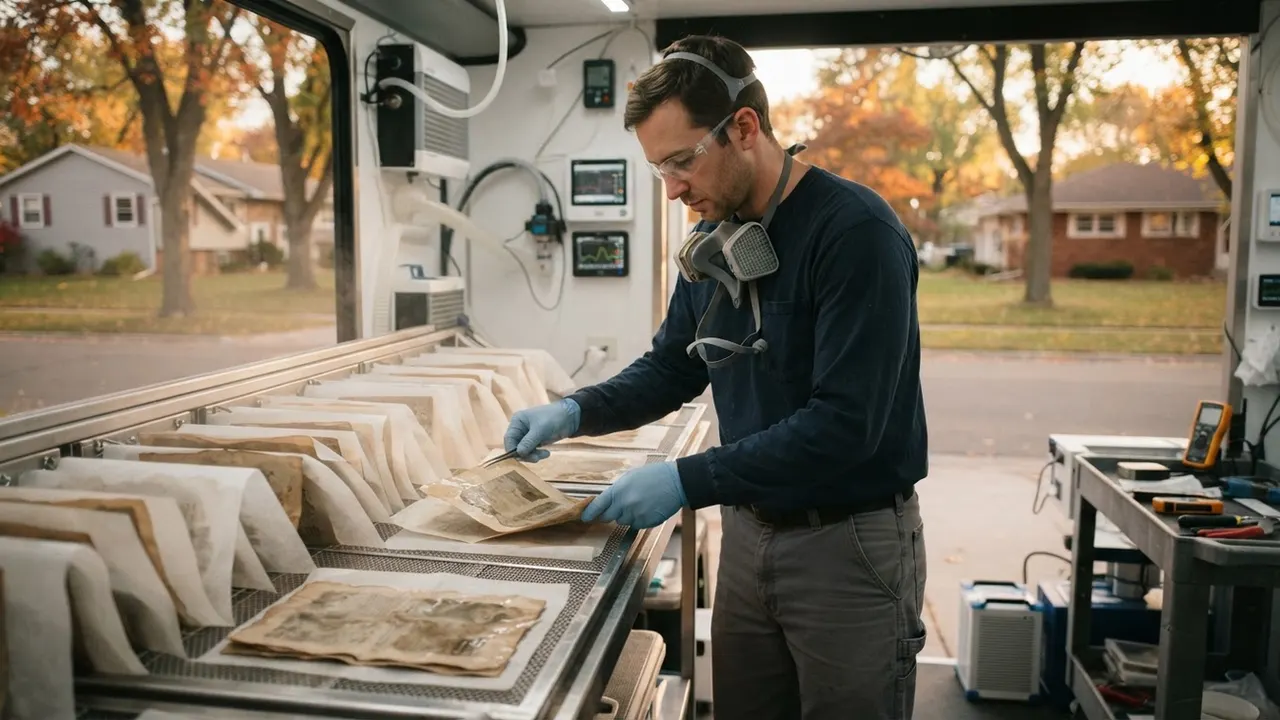
We identify belongings that can be cleaned, items needing specialized handling, and materials that are too damaged to restore. Pack-out can protect selected contents while work continues on the building.
Homes and Businesses.
The approach is the same for a home and a business. What changes is the access, the schedule and who needs the paperwork.
Homes and Rentals
A home fire can leave soot in adjoining rooms and water beneath flooring. We check surfaces, contents, and damp materials before mapping the cleanup.
Kitchen residue on cabinets
Smoke in bedrooms or closets
Water in a finished basement
Workplaces
A business fire can affect shared corridors, stock, and occupied neighboring suites. We assess access, contain work areas, and coordinate cleaning by room.
Smoke in shared hallways
Soot on inventory or equipment
Suppression water under flooring
Fire Damage Restoration Hopkins MN: the Work
A plain-language look at what Fire Damage Restoration involves and when it is needed.
Fire damage restoration Hopkins MN is a property recovery service that removes fire residue, addresses smoke contamination and odor, and repairs affected building materials after a fire. We start by separating soot types and checking how heat and smoke moved through the structure. Dry chemical residue, oily soot, and protein smoke each call for different cleaning methods; scrubbing the wrong surface can set stains permanently. We document conditions, protect unaffected rooms with plastic sheeting, and identify drywall, insulation, and contents that need cleaning, removal, or repair.
Hopkins homes and commercial spaces can have smoke migration beyond the room where a fire began, while suppression water reaches floors, wall cavities, or lower levels. In winter, a damaged opening also exposes pipes and interiors to freezing conditions. Our Hopkins Minnesota fire damage restoration services coordinate soot removal with water extraction and drying when both are needed. If you are searching for fire damage restoration in Hopkins MN near me, tell us which rooms were affected and whether the fire department has cleared the property.
Remove residue and moisture sources before repairing finishes or treating lingering smoke odor.
What it is
Cleaning soot, addressing smoke residue and odor, and repairing fire-affected building materials.
When needed
After a fire leaves smoke, soot, heat damage, or water from suppression.
What to expect
An assessment, contained cleaning, moisture checks, contents handling, and repair planning.
How the Restoration Proceeds
Fire damage restoration in Hopkins follows a measured sequence: assess, protect, remove residue, dry affected materials, and complete repairs. We explain what we are doing at each stage, so you know what is happening in your home or workplace and what needs attention next.
Assess the Loss
Our team walks the affected rooms with you, records visible damage, and checks nearby spaces for smoke travel and water intrusion. We ask when the fire occurred, what was burned, and whether utilities are safe to use. An initial inspection often takes 1 to 3 hours, depending on the property size and access.
Walk-through
Damage notes
Room checks
Secure and Contain
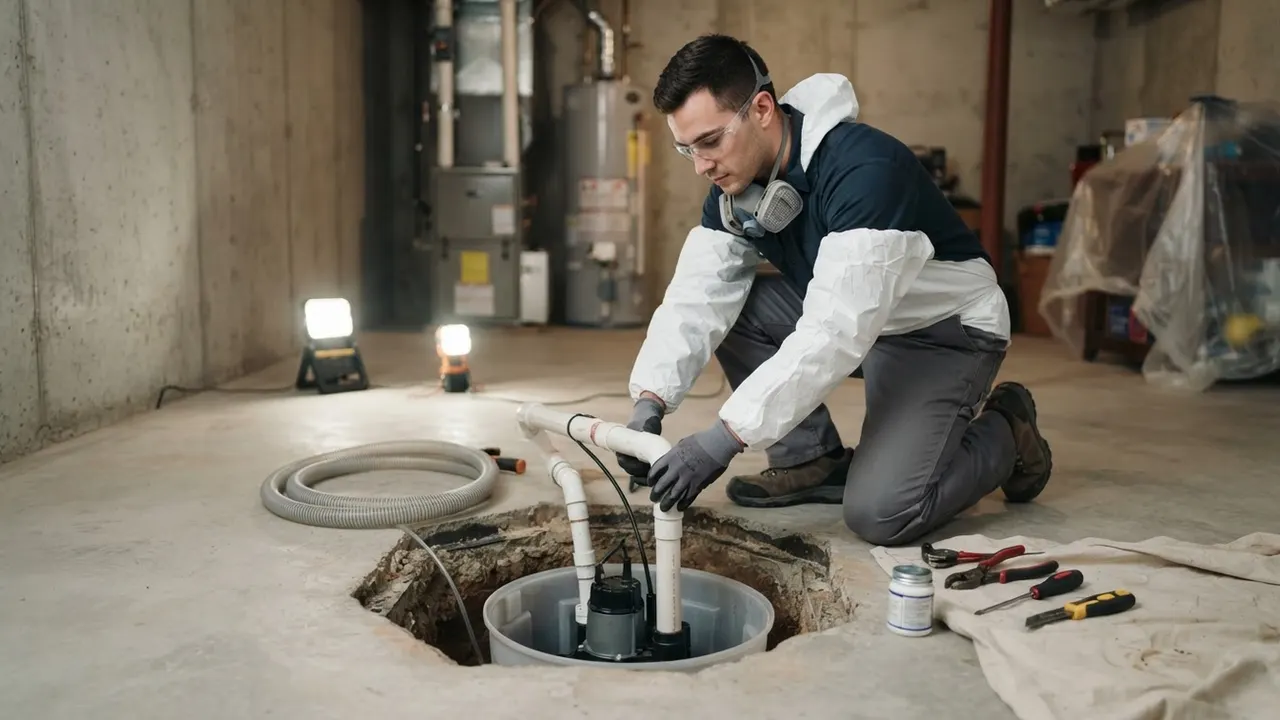
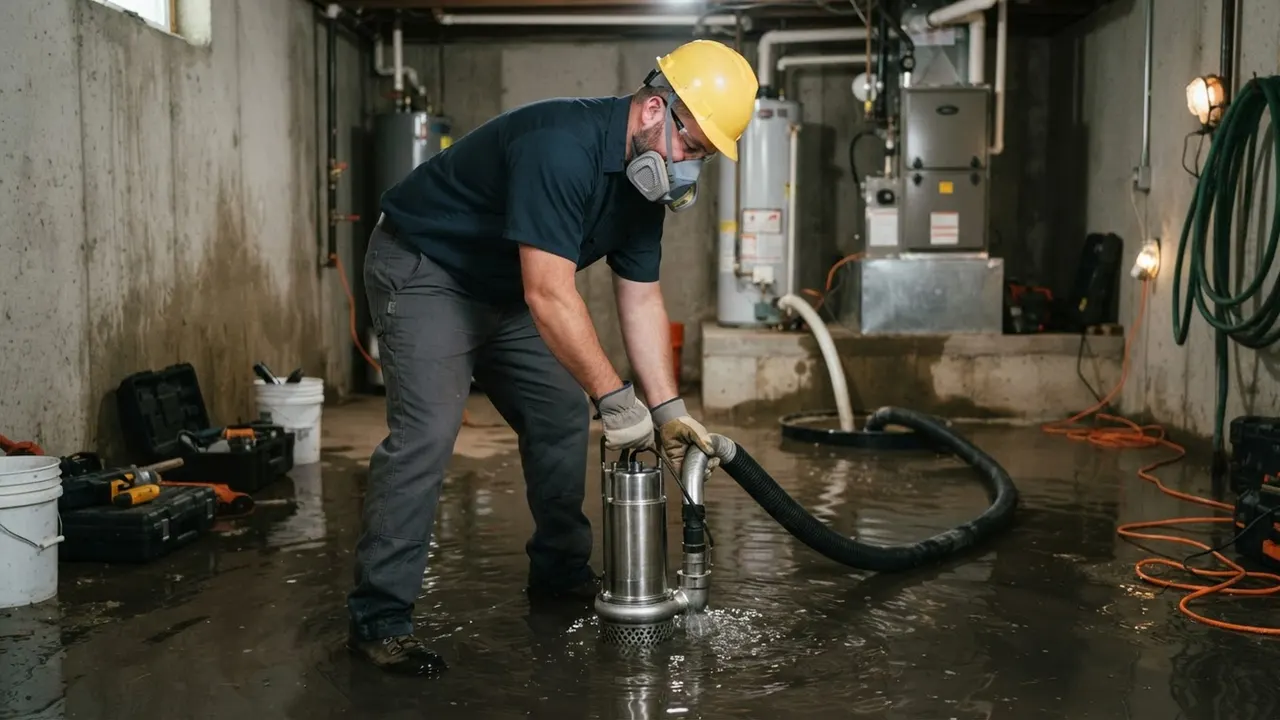
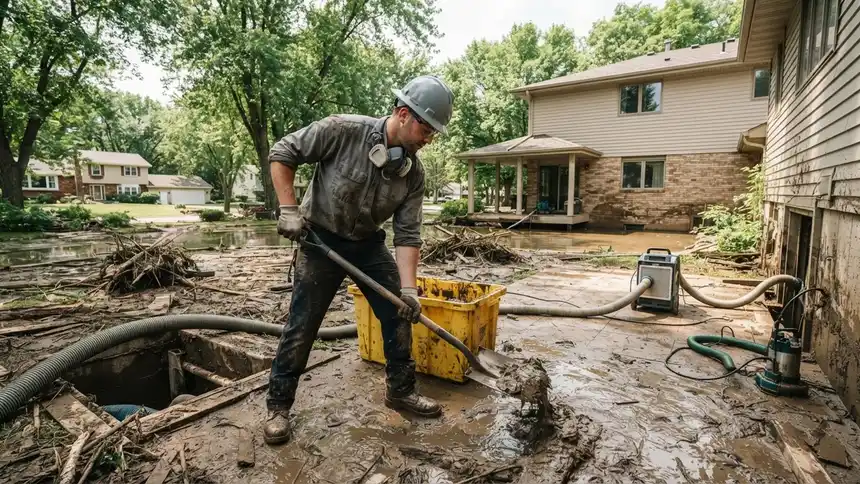
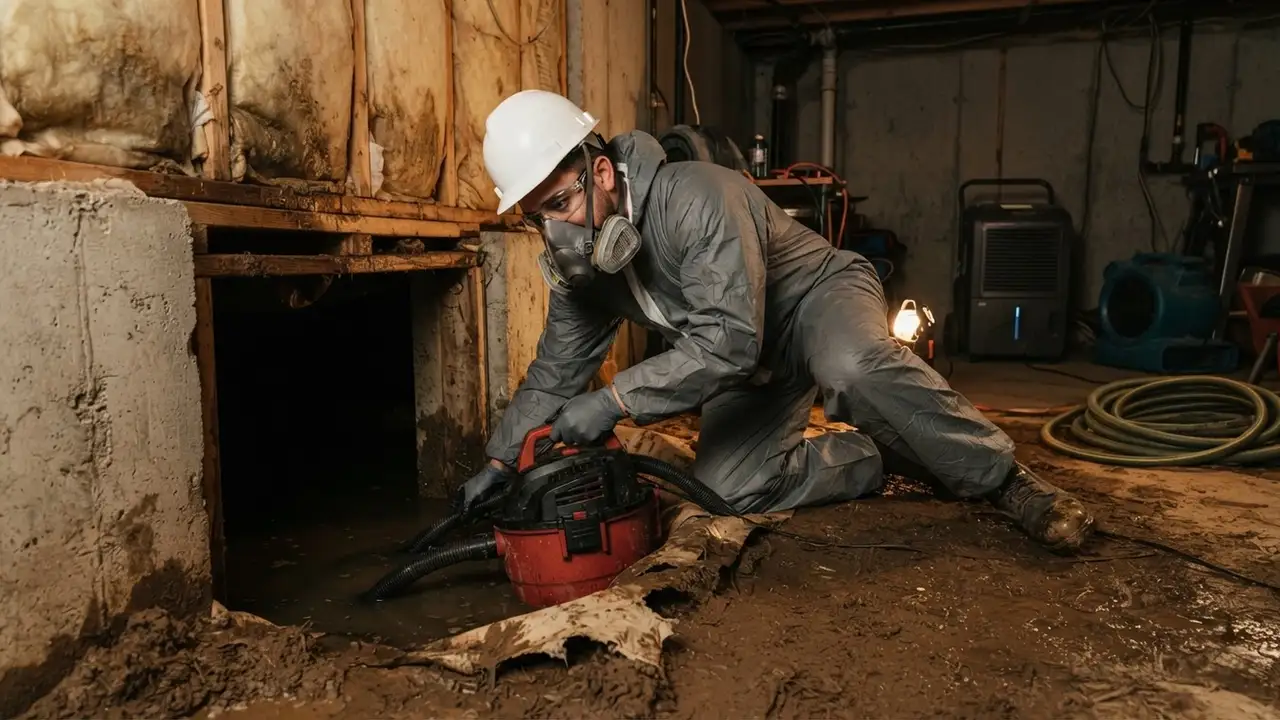
We protect clean areas, establish work boundaries, and address openings that expose the building to weather. Plastic sheeting and air scrubbers help limit cross-contamination while work proceeds. If suppression water remains, a wet/dry vacuum or sump pump removes standing water before detailed cleaning begins.
Protect surfaces
Set barriers
Extract water
Remove Soot Safely
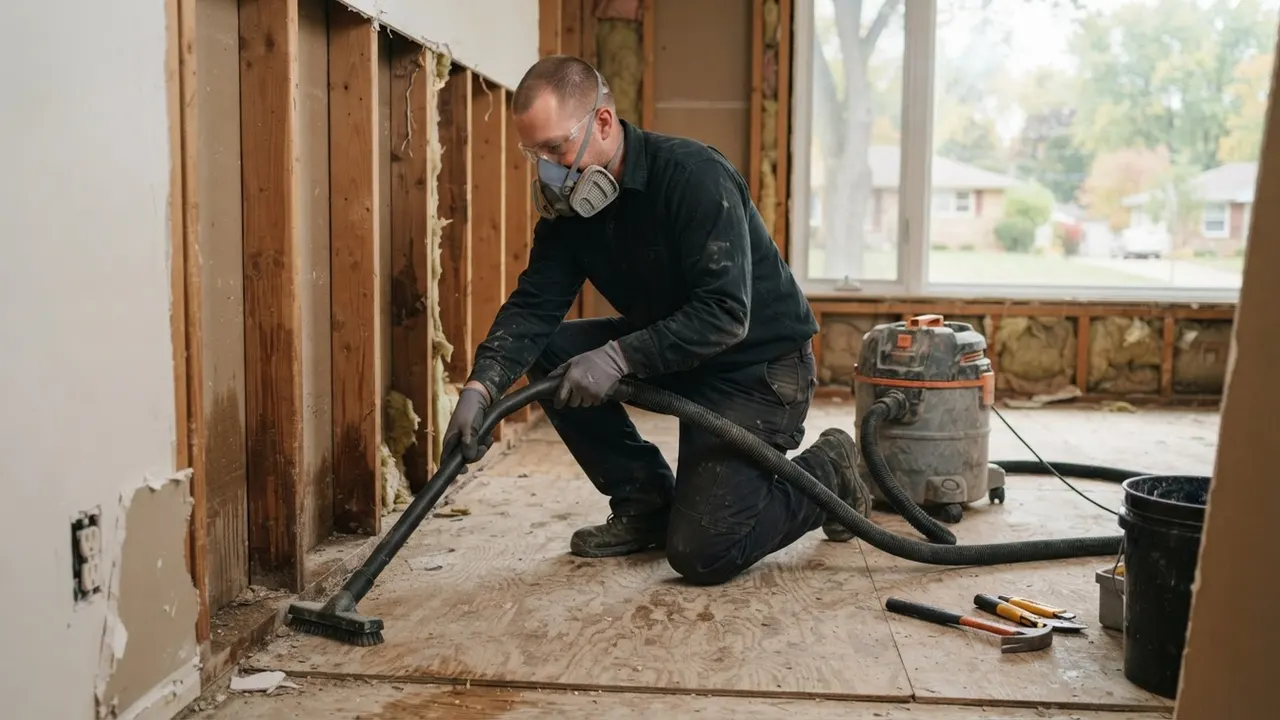
We select cleaning methods for the residue and surface, beginning with dry removal where appropriate and progressing to compatible wet cleaning. A HEPA vacuum captures fine particles; specialized products address stubborn deposits without treating every surface as identical. Contents are inventoried and separated for on-site cleaning or pack-out.
Remove residue
Clean contents
Check finishes
Dry and Deodorize
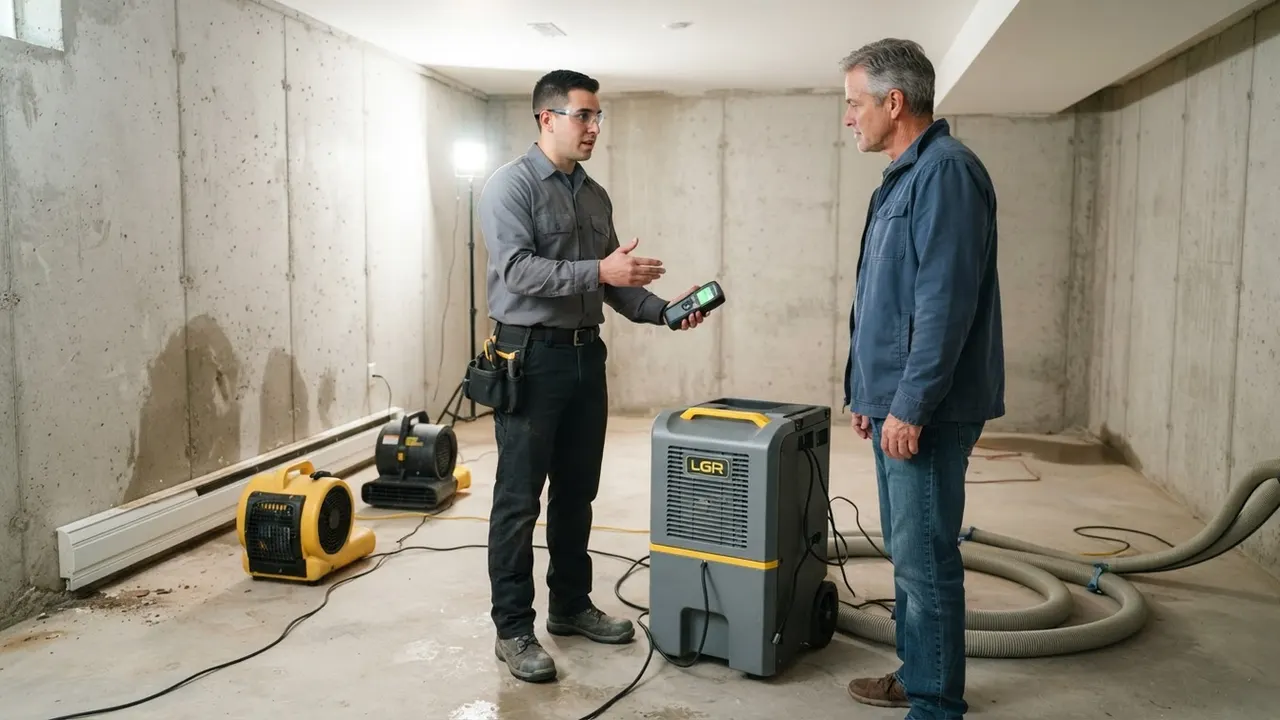
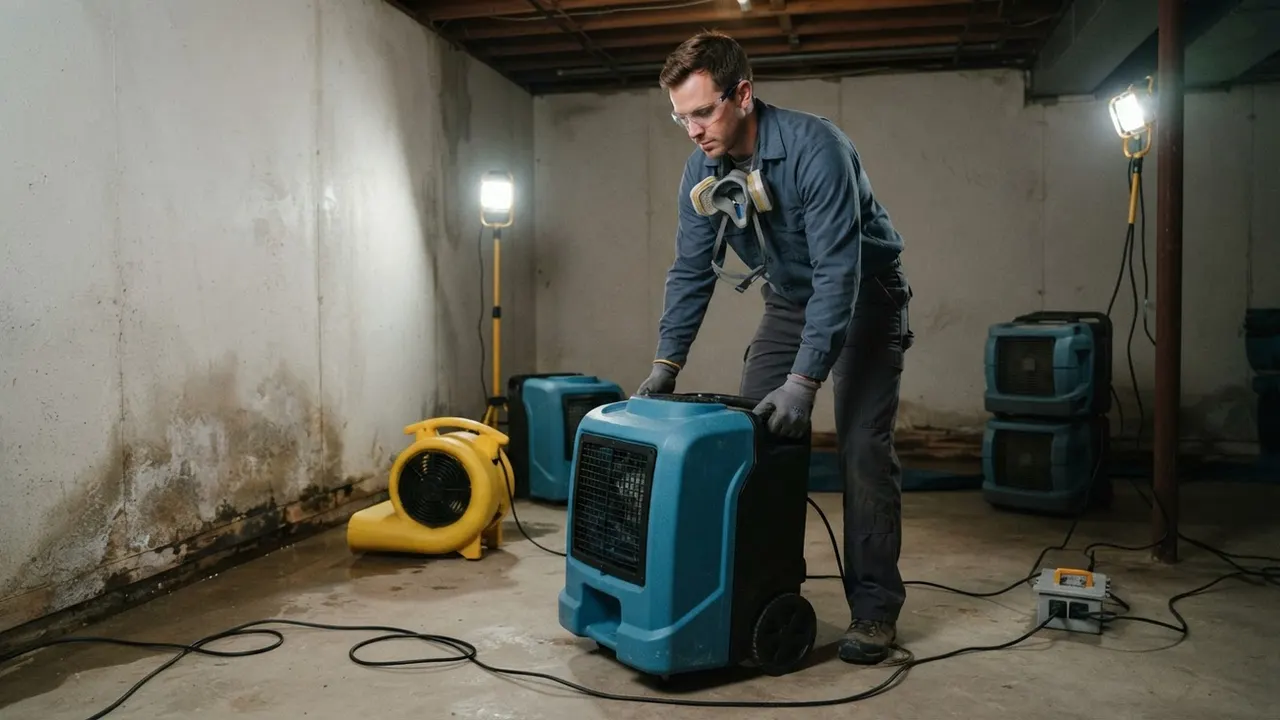
We check damp drywall, framing, and flooring with a moisture meter, then position air movers and a dehumidifier as conditions require. Drying commonly takes 3 to 7 days, though assemblies and weather change the schedule. Odor treatment follows residue removal so smoke sources are not simply masked.
Measure moisture
Set drying
Review progress
Repair and Verify
After cleaning and drying, we review the affected areas with you and identify remaining structural repairs, finish work, or contents needs. Replacement materials can include mold-resistant drywall and compatible sealant. We document completed work and leave you with practical notes on ventilation, re-entry, and follow-up checks.
Inspect repairs
Record work
Explain next steps
Tools and Cleaning Methods
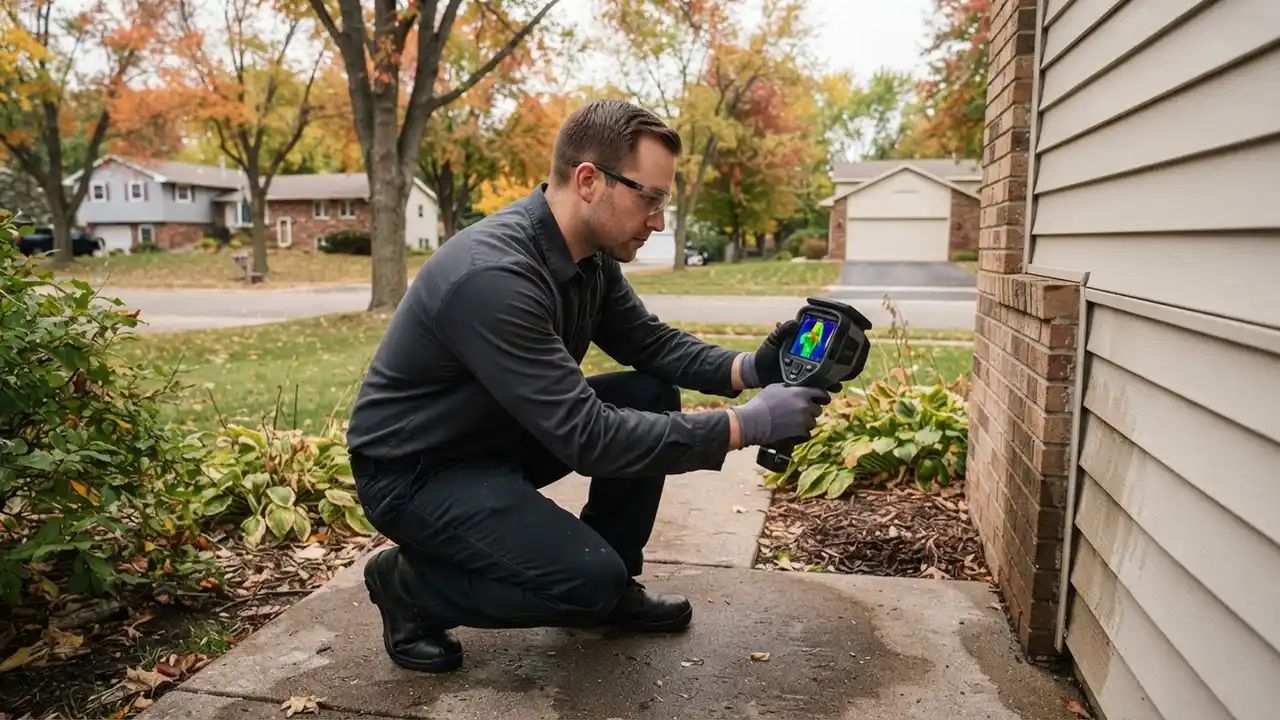
Move across a circle, or focus it and press Enter, for an illustrative thermal view of the photograph.
Thermal Imaging Camera
The camera guides investigation; it does not replace direct moisture checks.
Moisture Meter
A moisture meter checks water content in accessible building materials. We compare readings over time to track drying and help decide when affected materials are ready for repair.
HEPA Vacuum
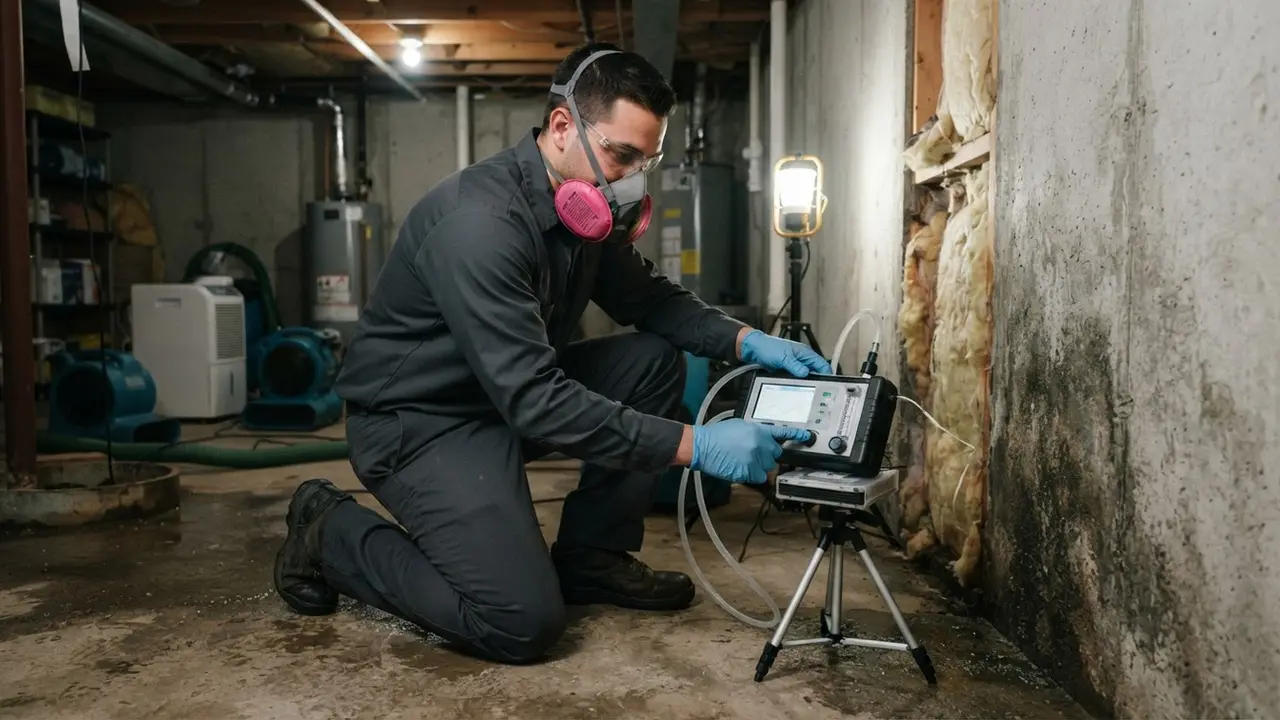
HEPA filtration captures fine particles during controlled soot removal. We select attachments and technique to suit the surface, reducing airborne debris and limiting residue transfer.
Air Mover and Dehumidifier
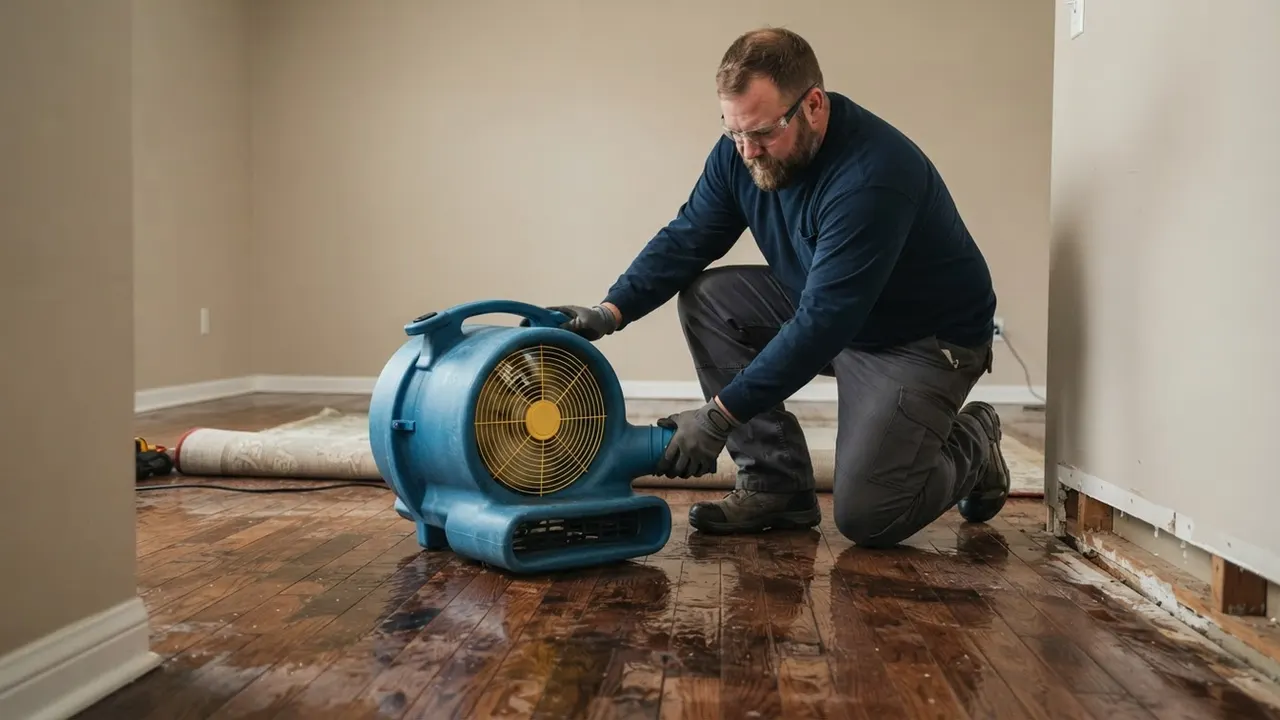
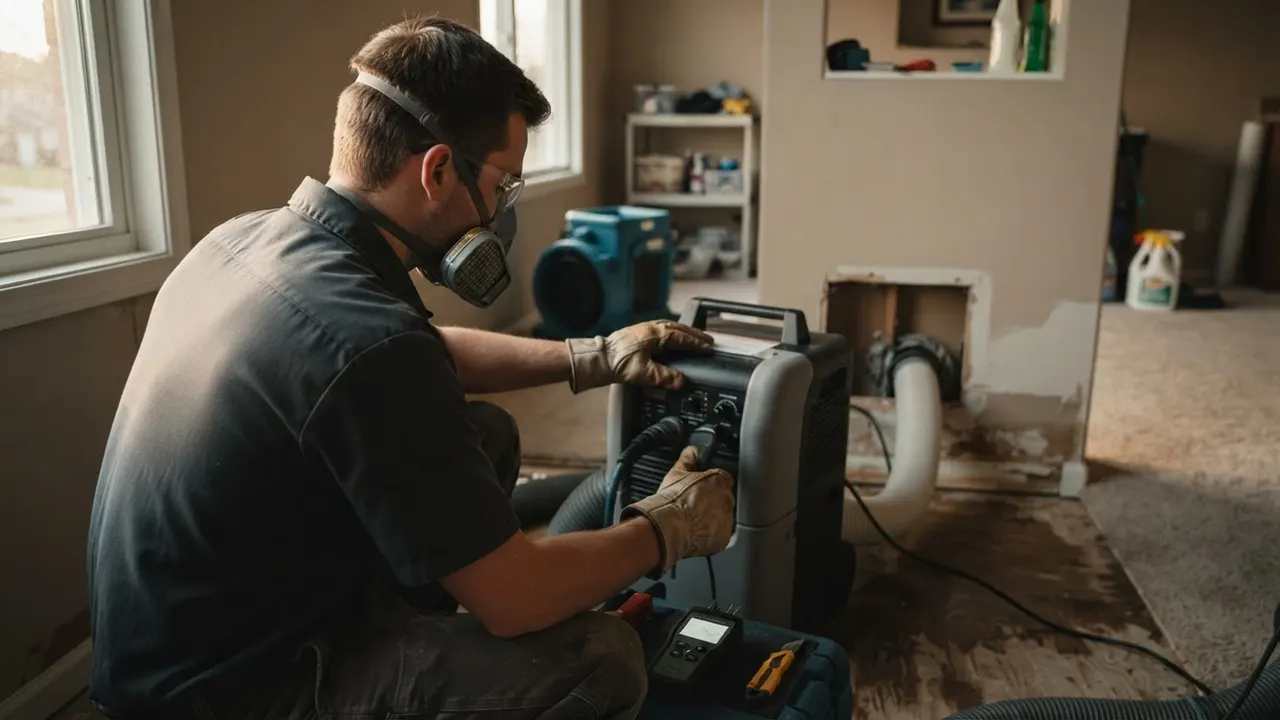
These units support structural drying after firefighting water enters the building. We place them based on affected materials and check progress rather than assuming a fixed equipment run time.
Dri-Eaz Equipment
Dri-Eaz restoration equipment can support extraction and drying work where conditions call for it. We choose the equipment configuration according to the affected rooms and measured moisture.
Thermal views are illustrative, generated from the photographs.
Methods
Negative air machine
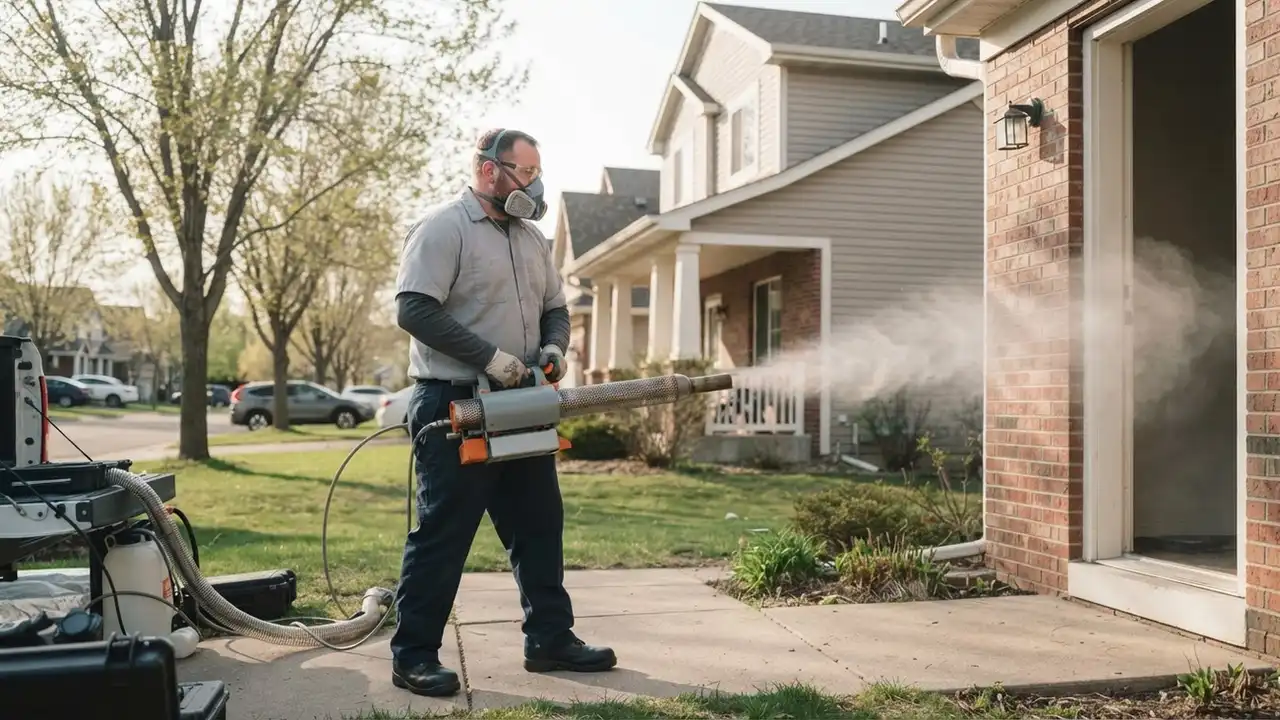
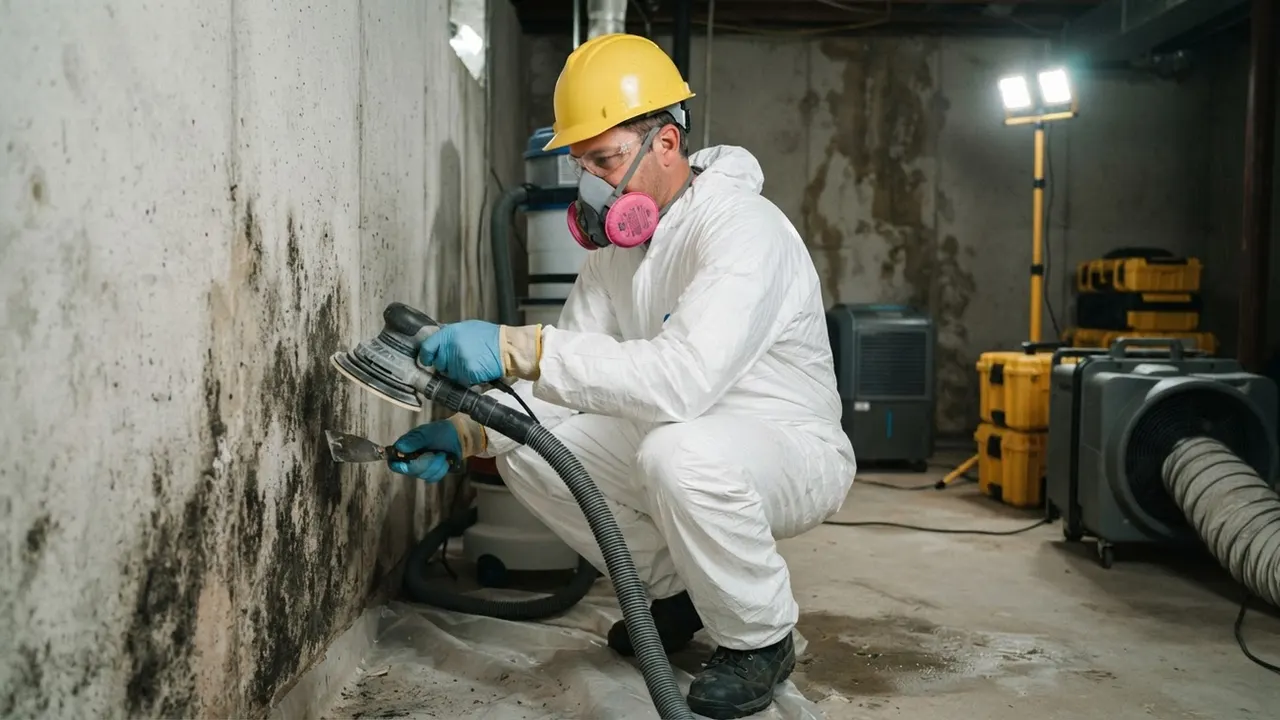
A negative air machine helps control airborne particles in a contained work area. We use it where the layout and cleaning activity call for directed air management.
Source-first smoke cleaning
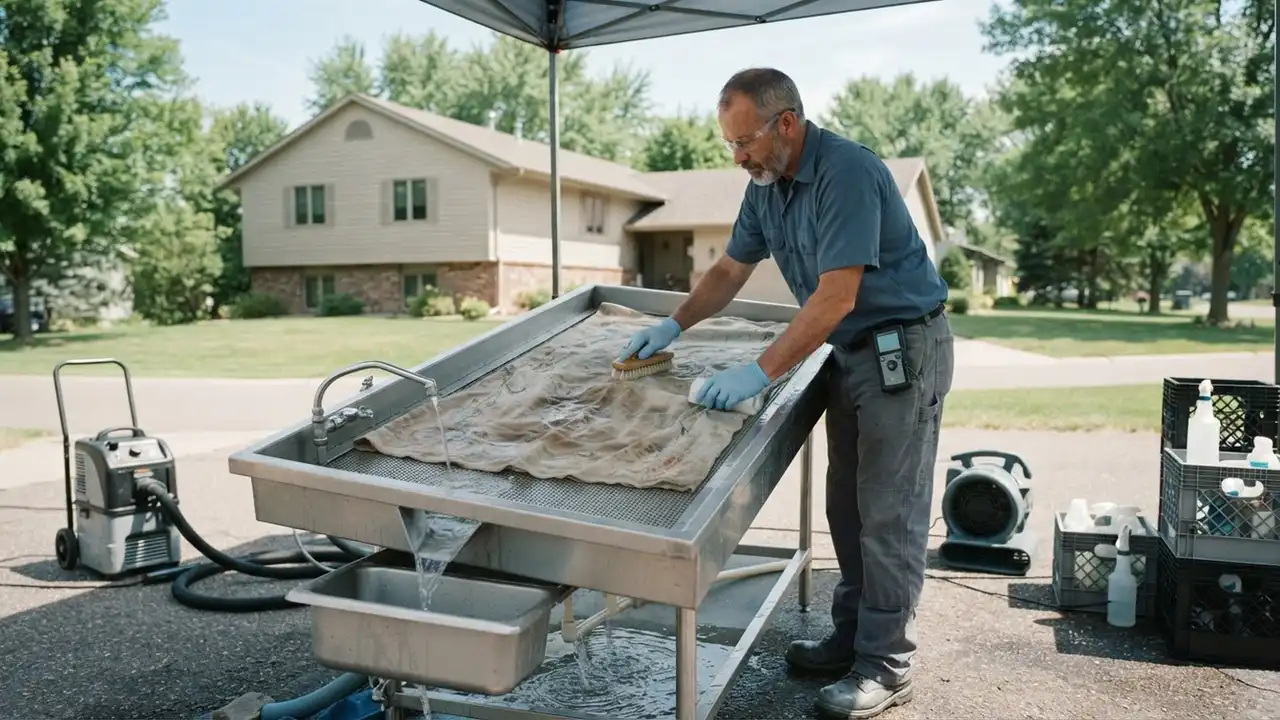
We remove soot and smoke residue from affected surfaces and contents before deodorizing. Cleaning the source matters: applying an odor treatment over remaining deposits can leave the underlying problem in place. The method changes with residue type, finish, and whether the material is porous.
Controlled containment
We separate affected work areas from cleaner rooms with barriers and manage airflow using appropriate filtration. Contents are protected or moved before active cleaning. This approach is especially useful when a fire affects a shared corridor, occupied building, or multiple rooms.
Measured structural drying
We extract visible water, inspect damp assemblies, and take moisture readings at appropriate points. Air movement and dehumidification support drying; follow-up checks show whether materials are progressing. This method helps prevent premature reconstruction over wet framing or drywall.
Material-specific restoration
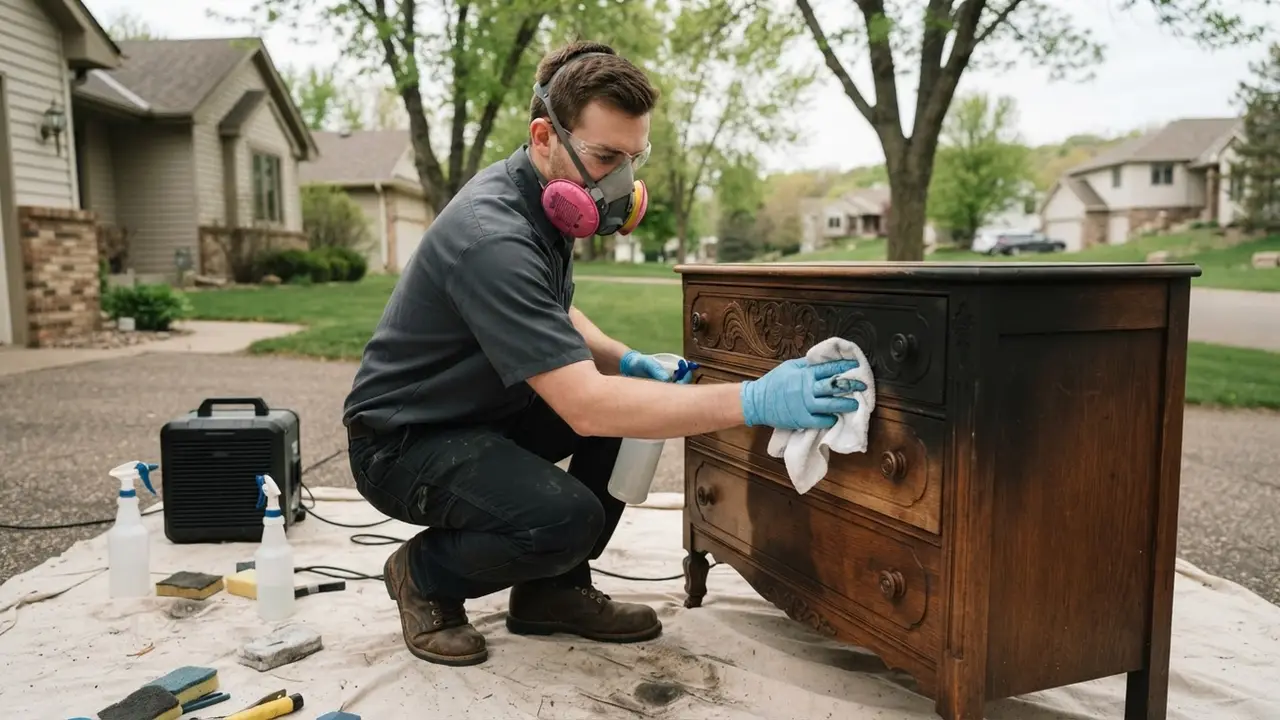
We assess each surface and item for cleaning potential, heat damage, and residue. A finished wood surface, textile, and painted wall receive different treatment. When cleaning cannot restore a material, we identify the repair need so replacement follows a practical assessment rather than repeated ineffective cleaning.
When to Call for Fire Cleanup
Kitchen Flare-Up
A kitchen flare-up in a Mainstreet Hopkins home leaves oily residue on cabinets and smoke in nearby rooms.
We assess the kitchen and connected spaces, protect unaffected rooms, and choose cleaning methods for cabinet finishes, walls, and contents. If cooking smoke reached the HVAC pathway, we inspect the areas it may have affected and explain whether additional cleaning is needed.
Outcome: You get a room-by-room cleanup plan that separates cleanable finishes from materials requiring repair, with odor sources addressed rather than covered.
Basement Fire
A basement electrical fire in Shady Oak leaves soot overhead and sprinkler water on the floor.
We handle both fire residue and water: first checking safety and affected surfaces, then extracting pooled water and measuring damp materials. Our team contains the work zone and monitors drying before basement finishes are repaired.
Outcome: The lower level is cleaned and dried in a coordinated sequence, reducing the chance that hidden moisture is sealed behind new materials.
Shared Corridor
A small commercial fire near Excelsior Boulevard closes a work area and sends smoke into shared corridors.
We inspect the affected suite and common areas, separate work from occupied space, and prioritize surfaces and contents tied to reopening. Cleaning, odor treatment, and any water-related drying are coordinated around the building layout.
Outcome: Property managers receive a clearer picture of affected spaces, cleanup progress, and remaining repair needs for tenants and operations.
Winter Opening
A winter fire damages a window in Meadowbrook, leaving the interior exposed to freezing air.
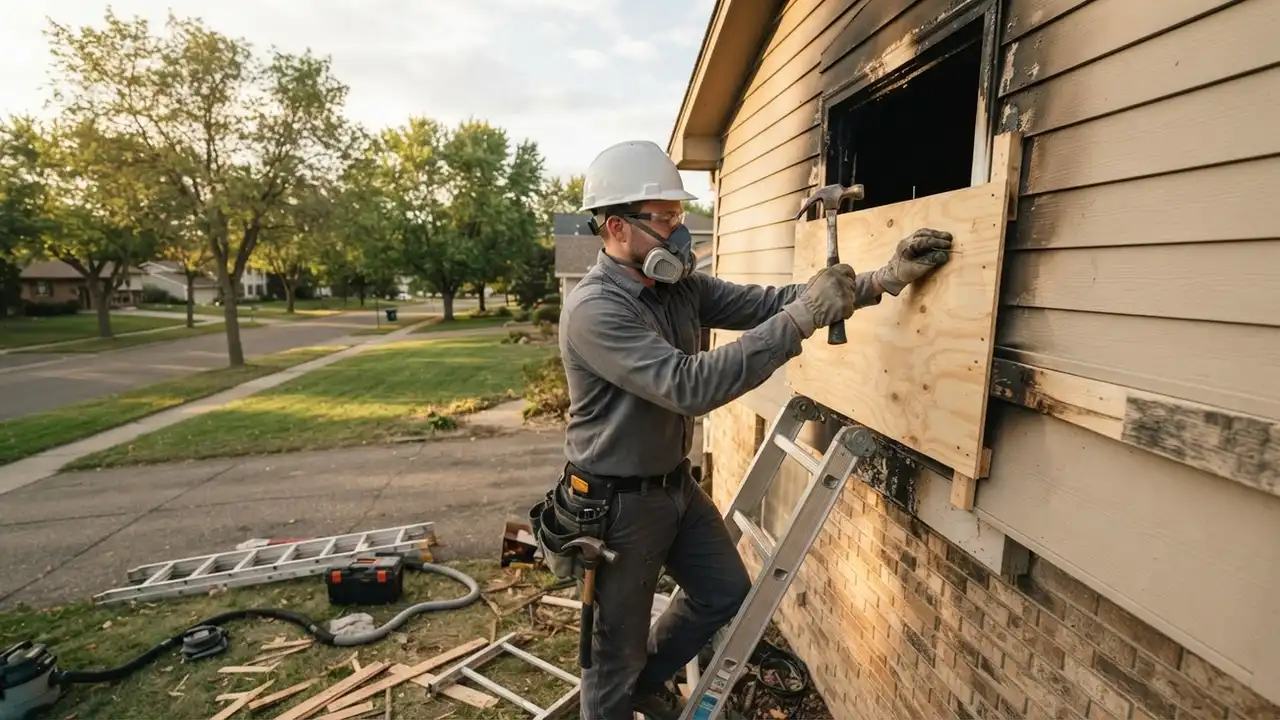
We check the opening, nearby materials, and plumbing exposure while assessing soot and smoke. Temporary protection helps limit weather entry as cleaning begins. We also check for new moisture or cold-related damage around the damaged room.
Outcome: The property is better protected from added weather exposure while the fire cleanup plan addresses residue, damaged finishes, and any related water concerns.
Downtown HopkinsShady OakMainstreet
How Fire Restoration Works in Hopkins
Fire damage repair Hopkins MN must account for the building as it stands, not just the room where flames began. Hopkins includes older homes, remodeled interiors, multi-unit properties, and commercial spaces where shared walls or corridors can carry smoke beyond one unit. We check connected rooms and accessible pathways before setting containment.
Minnesota winters add urgency when fire-damaged windows or roofing expose interiors to cold, while spring rain can enter through an opening before permanent repairs. Firefighting water also needs attention; a damp basement or wall cavity can remain wet after the floor looks dry.
If you need a fire and water damage restoration company Hopkins MN, tell us whether the property has open windows, standing water, or an occupied neighboring space. We coordinate cleaning, extraction, and drying around those conditions, then explain repair priorities. Our service area includes Hennepin County and Hopkins addresses in ZIP codes 55343 and 55305.
Downtown Hopkins: Older and mixed-use properties can share corridors and adjoining walls, so we check nearby spaces for smoke migration before limiting work to the visible burn area.
Shady Oak: Finished basements and stored belongings need careful sorting when suppression water reaches lower levels. We inspect flooring, wall edges, and contents for residue and moisture.
Mainstreet: Commercial and residential spaces close together call for clear containment and coordinated access. We plan cleaning so residue does not move into a shared hallway or neighboring suite.
Meadowbrook: A damaged exterior opening can expose rooms to winter cold or seasonal rain. We check nearby finishes and plumbing exposure while arranging appropriate temporary protection.
Freezing winter air enters through a fire-damaged opening: Cold air can affect wet materials and nearby plumbing while the building is being cleaned. We identify exposed areas early, coordinate temporary protection, and check for water or freeze-related concerns before interior repairs advance.
Fire suppression water reaches finished basements: Water can collect under flooring or behind finished walls where it is not visible from the room. We extract pooled water, measure affected materials, and monitor drying before repairs conceal the assembly.
We walk affected rooms and explain observed soot, smoke, and water concerns.
We protect cleaner areas and set up containment and appropriate equipment.
We review progress, check materials, and explain the next work stage.
From Problem to Finished Result.
IllustrativeThe thermal view is generated from the photograph. It is not a measurement. Drag the handle, or use the arrow keys once it is focused.
Kitchen Soot and Smoke Odor
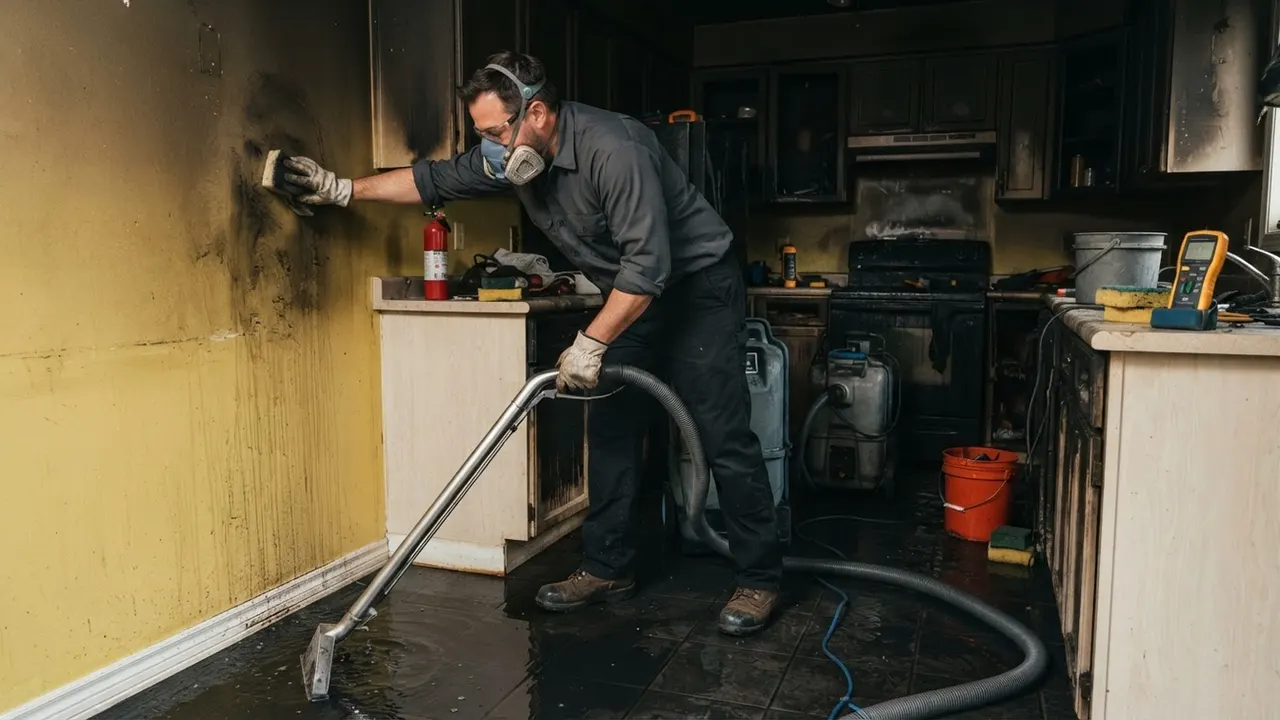
Before: A cooking flare-up left greasy soot above the range, dark marks on nearby cabinets, and a persistent odor in the adjoining dining area. The homeowner had wiped one cabinet door, spreading the residue into a wider smear. Water from a small extinguisher also dampened the floor beside the stove.
After: We cleaned the affected surfaces with methods suited to their finishes, addressed the odor source, and checked the damp floor area. The kitchen and dining room were reviewed separately, with damaged finish areas identified for repair. The homeowner had a room-by-room record of what was cleaned and what still needed attention.
Keep the range hood clean and use it during cooking. If smoke or a flare-up occurs, avoid wiping soot before the surface is assessed. Check nearby rooms for odor and residue rather than assuming the kitchen alone was affected.
Basement Fire With Suppression Water
Before: A small basement fire left smoke on ceiling surfaces and sprinkler water across part of the floor. Stored boxes sat beside a finished wall, and the homeowner could not tell whether moisture had reached behind the baseboard. The room smelled smoky even after the fire department left.
After: We removed pooled water, sorted affected contents, and measured damp materials at the wall and floor edge. Drying equipment ran with follow-up checks over several days. Soot cleaning and odor treatment were completed before the damaged finish area was prepared for repair.
Keep basement storage elevated and leave access to floor drains and mechanical equipment. After any water release, check behind stored items and along wall edges. Report lingering damp or smoke odor before new finishes are installed.
Smoke Migration in a Shared Building
Before: A fire in one suite sent smoke into a shared corridor and an adjacent office. Staff noticed a faint odor on textiles and residue near the corridor ceiling, although the neighboring rooms had no visible burn damage. The building manager needed to understand which spaces required cleaning.
After: We assessed the suite, corridor, and neighboring office, then contained the active work zone. Affected surfaces and selected contents were cleaned, and rooms were checked for remaining odor sources. The manager received a clear list of completed areas and identified repair needs before arranging normal use.
Keep HVAC filters on the building's regular replacement schedule and report smoke odor that returns after cleaning. During future work, protect shared corridors and isolate affected rooms so dust and residue do not travel into occupied spaces.
Problems Solved After a Hopkins Fire
After a fire, visible damage is only part of the cleanup. Smoke, soot, and water can move into rooms that look untouched, and delays make it harder to separate cleanable materials from damaged ones. We target the source and the affected assemblies.
Soot spreadSoot stains spread across walls outside the burned roomDry wiping or household scrubbing can smear residue, set stains, and transfer soot onto trim, flooring, and nearby belongings. We identify the soot type and finish before choosing a removal method. Our team contains the work zone, removes loose particles with suitable equipment, and cleans surfaces in a controlled order. If paint or drywall has been damaged beyond cleaning, we identify that condition for repair rather than repeatedly treating an unsalvageable surface.
Lingering smokeSmoke odor lingers in closets and adjoining roomsOdor can persist when smoke particles remain in porous materials, furnishings, or concealed cavities, even after the visible soot has been removed. We trace odor to affected materials and clean those sources before applying deodorization. Our inspection includes adjoining rooms and accessible pathways where smoke may have traveled. We discuss which contents can be treated and which materials need removal, then check the space after cleaning instead of relying on fragrance to cover the smell.
Hidden moistureSuppression water sits below flooring or behind drywallHidden moisture can swell flooring, damage wall assemblies, and contribute to mold growth if wet materials remain in place for too long. We extract standing water, take moisture readings, and map affected areas before setting drying equipment. If a wall cavity or insulation is wet, we explain the appropriate next step for that assembly. Follow-up readings guide the drying phase, reducing guesswork before finish materials are repaired or replaced.
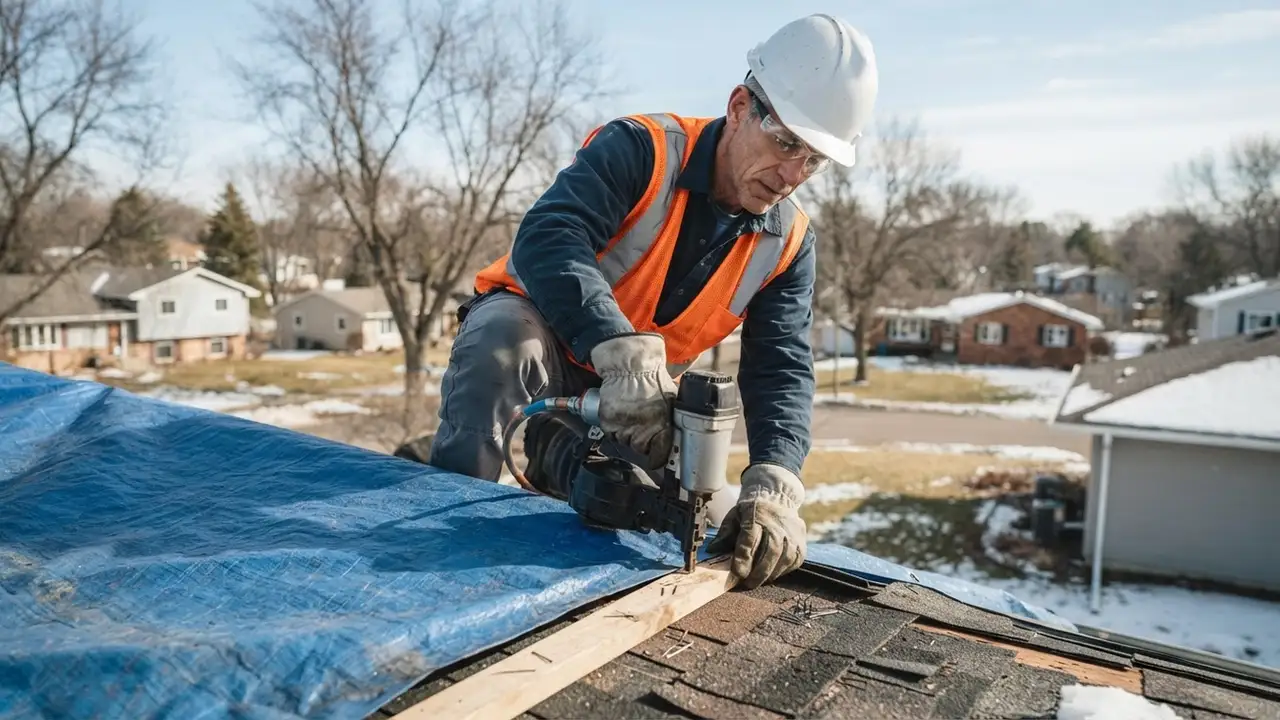
Open buildingFire-damaged openings expose the property to weatherBroken windows or roof damage can allow rain, snow, and cold air inside, creating more water damage and putting nearby pipes at risk. We identify exposed openings during the first walk-through and coordinate temporary protection with the cleanup sequence. Board-up or roof covering limits additional intrusion while soot and water work proceeds. We also check nearby rooms for fresh moisture so repairs address both the original fire and any resulting exposure.
What a Complete Recovery Changes
A measured cleanup removes residue, addresses moisture, and clarifies repair needs.
Stop Residue Spreading
Soot transfers easily from hands, shoes, and air movement to clean finishes. We isolate work areas, protect unaffected surfaces, and use HEPA filtration during cleaning. That containment keeps the cleanup focused instead of carrying fine residue into hallways, bedrooms, or neighboring work areas.
Find Hidden Impact
Smoke can travel through ceiling cavities, utility openings, and HVAC pathways even when a room looks clear. The goal is to identify affected materials before repairs cover them.
Coordinate Water Cleanup
Fire hoses and sprinkler systems can leave standing water after the flames are out. We extract water, check material moisture, and set drying equipment where needed. For residential fire damage restoration Hopkins MN, addressing water promptly helps limit swelling, staining, and secondary mold growth.
Plan Repairs by Material
A sealed wood cabinet, painted drywall, and an upholstered chair do not respond to the same cleaning method. We sort materials by condition and cleanability, then explain which items can be treated and which need repair or replacement. You get a workable path forward, not a one-method-fits-all cleanup.
What You Receive
Clear records you can keep and share.
Photo Log
Images of observed damage and work areas.
Moisture Log
Recorded readings from monitored materials.
Contents List
Items identified for cleaning or handling.
Work Summary
Completed tasks and remaining repair notes.
Cleaning Versus Rebuilding
Cleaning removes restorable residue; rebuilding replaces materials that heat, soot, or water have damaged beyond effective cleaning.
Surface Cleaning
Treats residue on materials that remain sound.
Soot removal
Smoke residue cleaning
Odor source treatment
Contents Care
Separates belongings for suitable cleaning or handling.
Inventory selected items
Protect clean contents
Arrange pack-out
Structural Repair
Replaces damaged building materials after assessment.
Remove unsalvageable drywall
Replace damaged insulation
Prepare surfaces for repair
Surfaces and Materials
Drywall
Insulation
Wood
Flooring
Cabinetry
Textiles
Contents
Metal
Service ZIP Codes.
A list like this tells people straight away whether you cover their street. Not listed? Call and ask: it only takes a minute.
A stovetop fire left soot in the kitchen and a strong odor in the hallway. The crew explained why they cleaned the cabinets differently from the painted walls, then checked the rooms beside the kitchen. They also found water under the flooring from the response. We appreciated getting clear updates about what was cleaned and what still needed repair.
Smoke from a small unit fire reached the common corridor and two neighboring spaces. The team contained the work area, cleaned affected surfaces, and kept a record of the rooms they addressed. They also pointed out where water had reached the lower wall. That made it easier for us to coordinate the remaining repairs with tenants.
After an electrical fire in the basement, we were worried about odor upstairs and damp carpet below. The crew checked beyond the burn area, used extraction equipment, and explained the drying setup. They separated belongings for cleaning instead of treating everything the same way. We knew what was happening at each stage and what decisions were still ours.
Fire Restoration Questions, Answered
Typical 2026 pricing depends on the affected square footage, soot type, contents, water removal, odor treatment, and reconstruction. We inspect the damage and explain the work that drives the cost before proceeding. Your insurer may use its own estimating process, so keep photos and claim details available.
Wait for fire officials to clear the property, then avoid touching soot or switching on affected HVAC equipment. Soot smears easily, and air movement can spread residue into clean rooms. Photograph visible damage from a safe location, keep receipts for necessary expenses, and call for an assessment. If water remains, tell us where it pooled; wet drywall and insulation need prompt moisture checks.
Many homeowners and commercial property policies cover sudden fire damage, but coverage depends on your policy, cause of loss, and claim review. Call your insurer, record the claim number, and keep photos and receipts. We can document observed damage and organize work details for your claim. Ask your adjuster about limits, deductibles, contents coverage, and any required approval before repair decisions.
Choose a company that assesses smoke, soot, and suppression water separately, explains its cleaning sequence, and documents affected materials. Ask who will perform the work, how contents are protected, and how drying progress is checked. Hopkins Water Damage Company handles fire damage repair Hopkins MN with a property-specific plan. Compare written work details and communication, not just a headline price or a promise about results.
Tell us where the fire occurred, whether water remains, and which rooms are affected. We will discuss the next practical step and arrange a property assessment. Call Hopkins Water Damage Company at (833) 546-4116 to start the conversation.
Call Hopkins Water Damage Company at (833) 546-4116 to describe a leak, fire, mold concern, or basement water problem. We connect you with independent companies serving Hopkins, Minnesota, including ZIP codes 55343 and 55305. Tell us the property type, affected area, and whether the source is still active so the provider can understand what help you need.