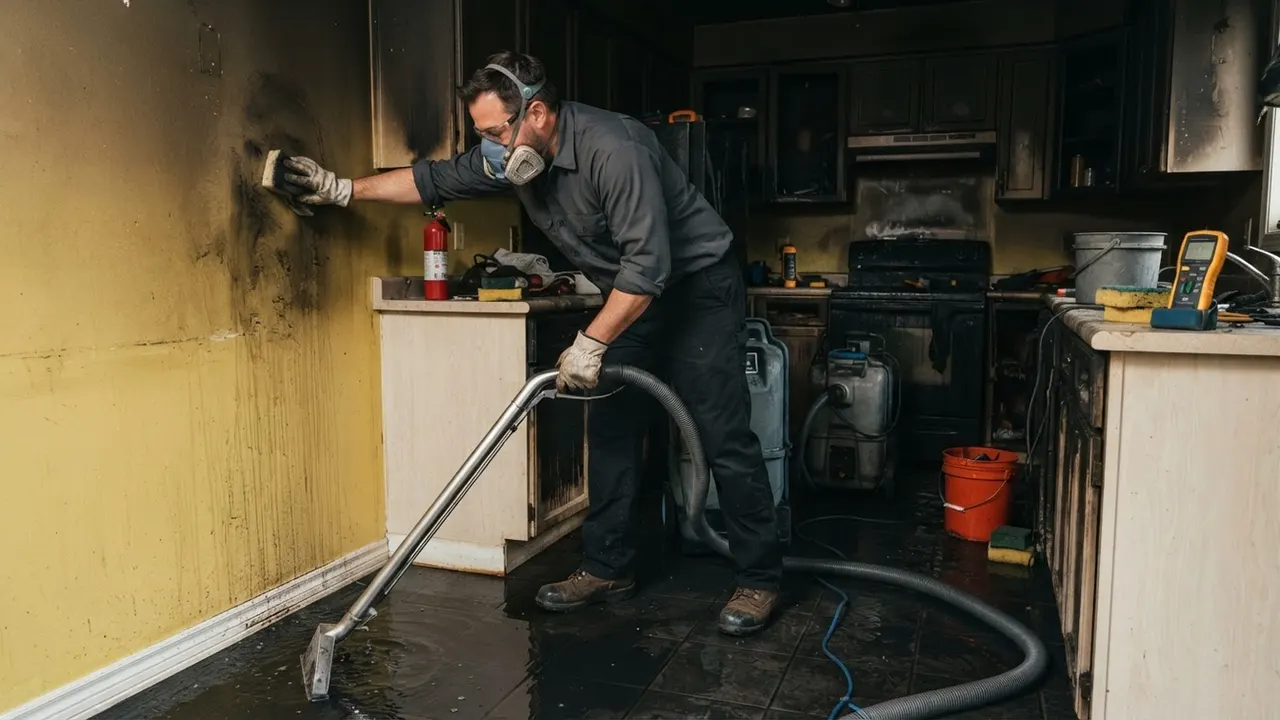
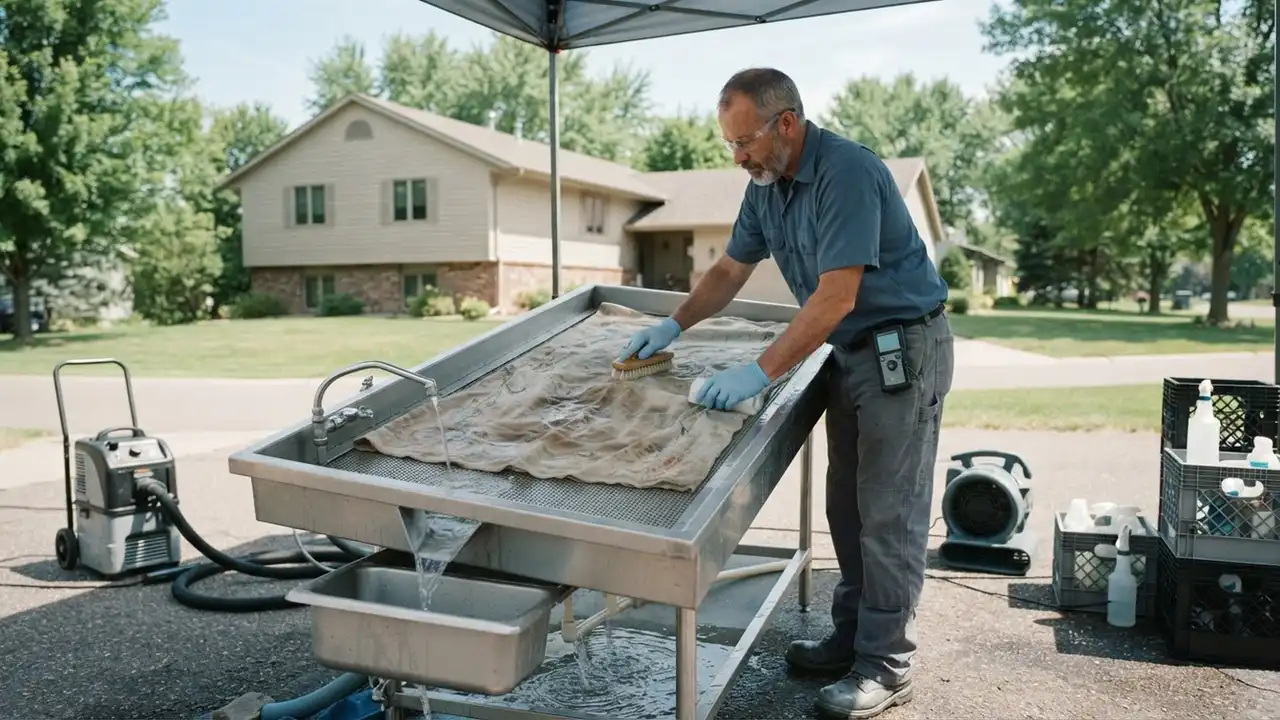
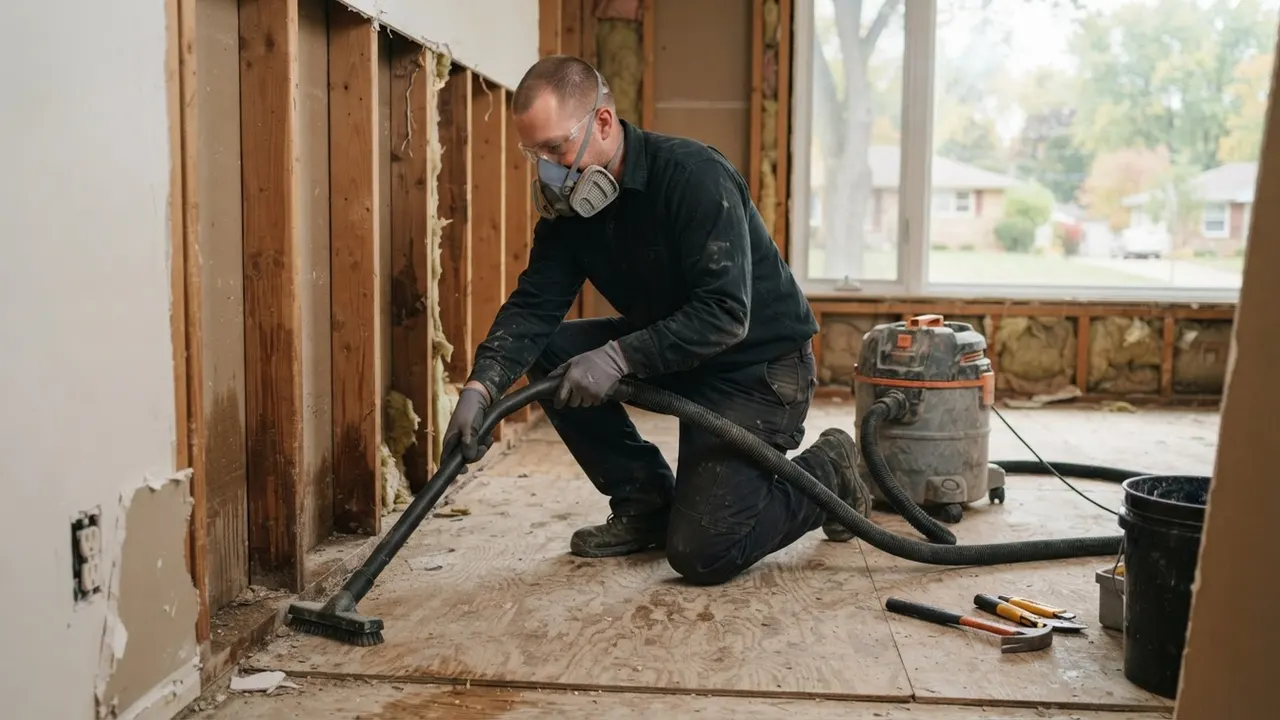
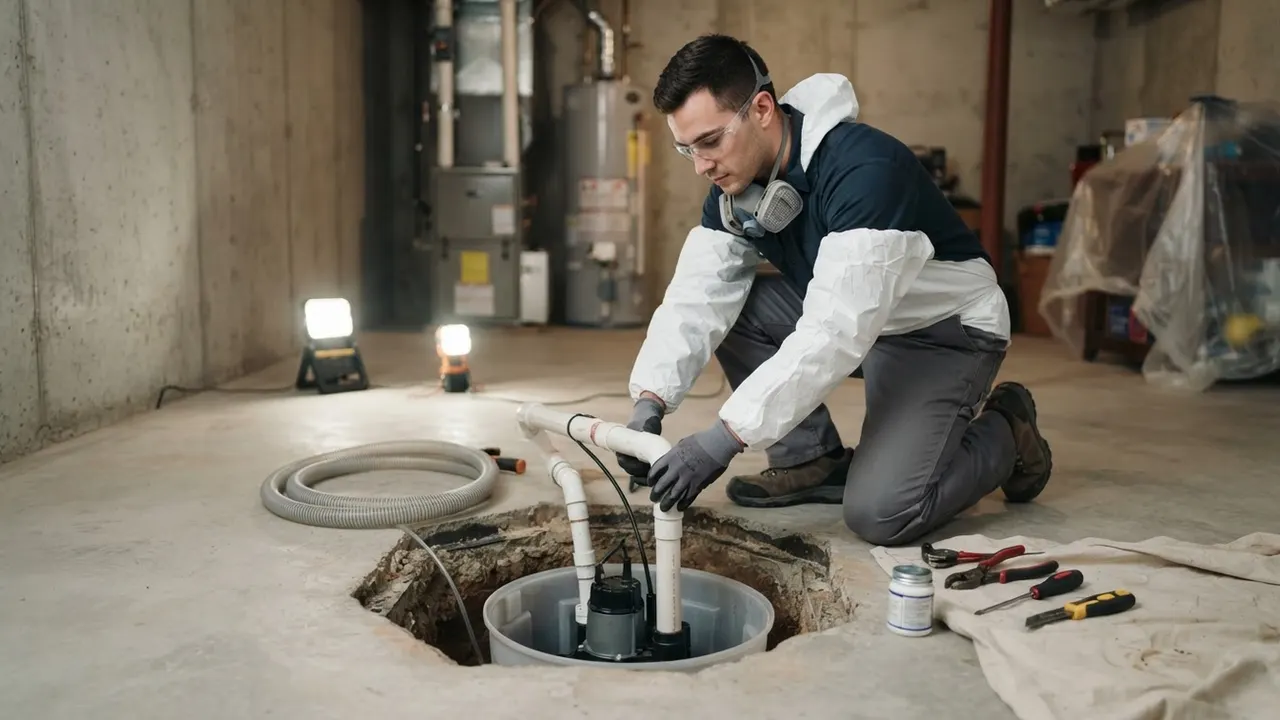
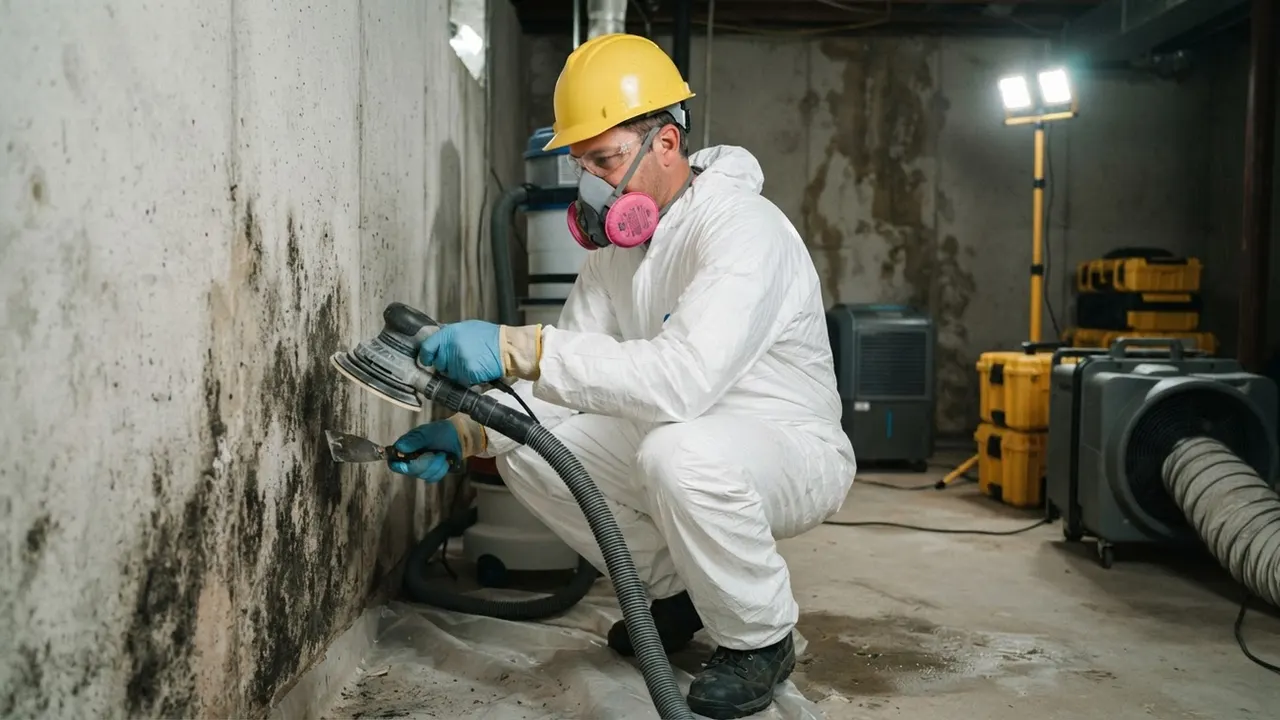
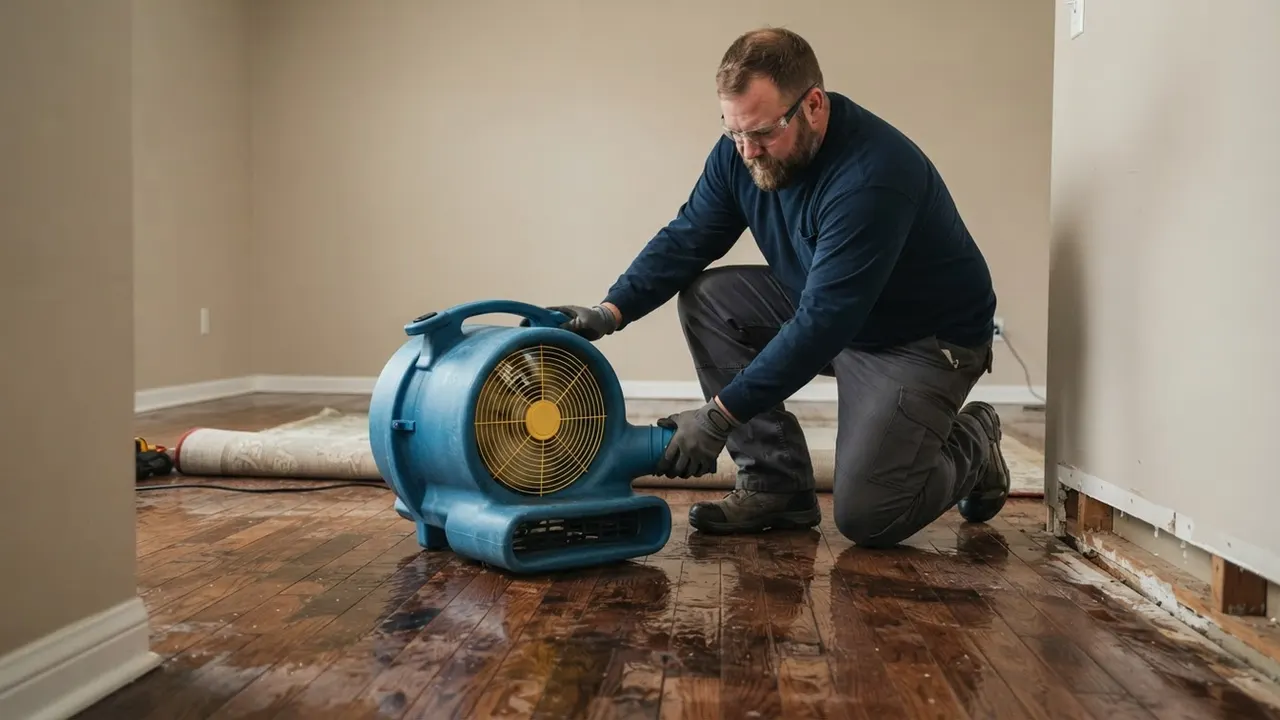
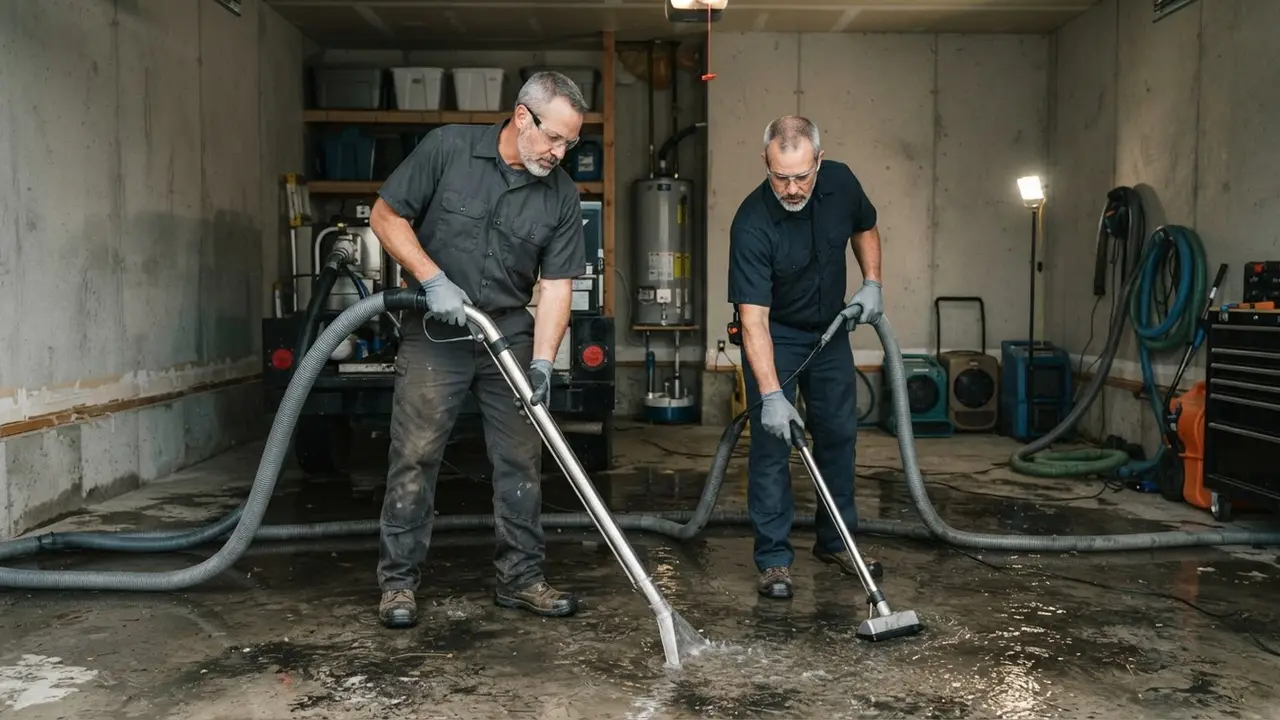
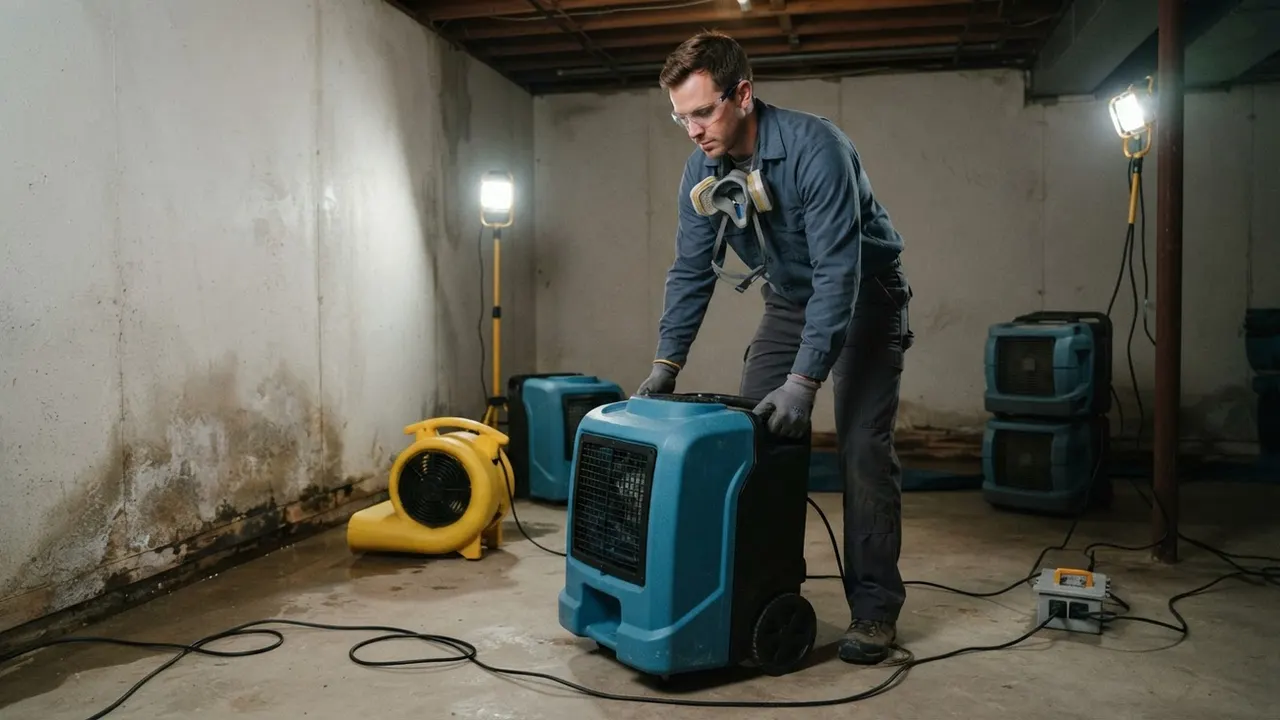
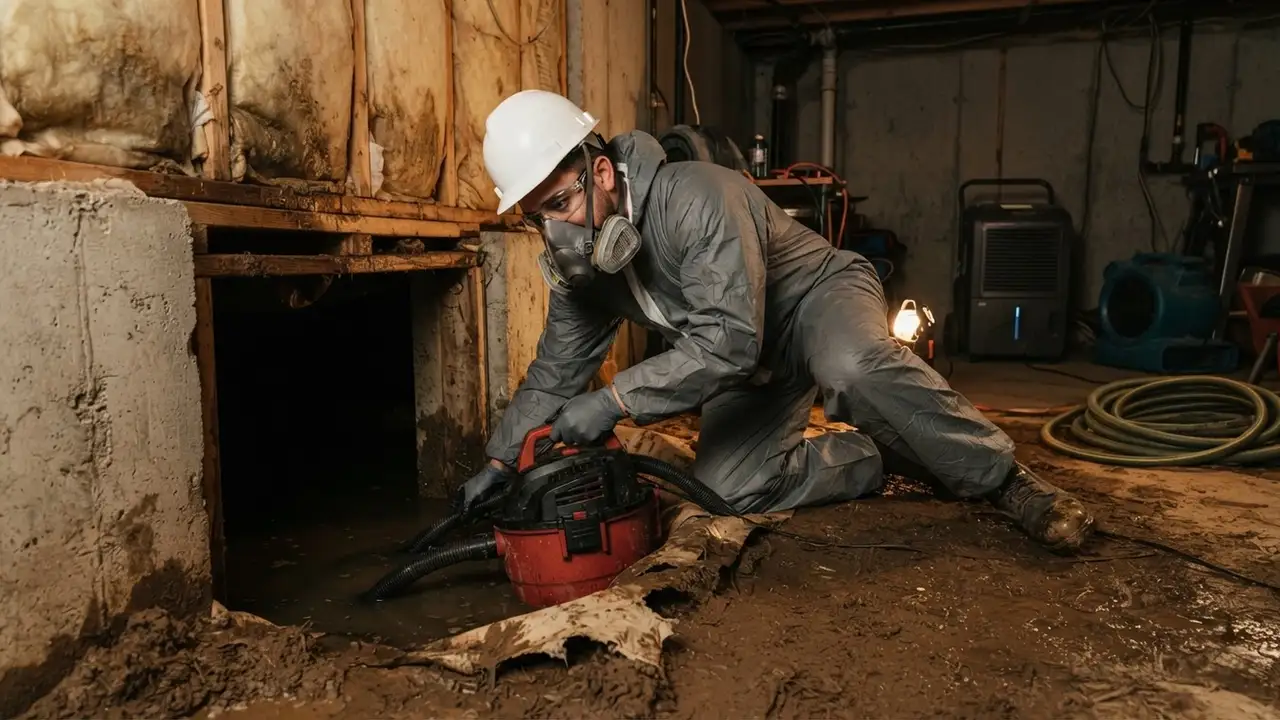
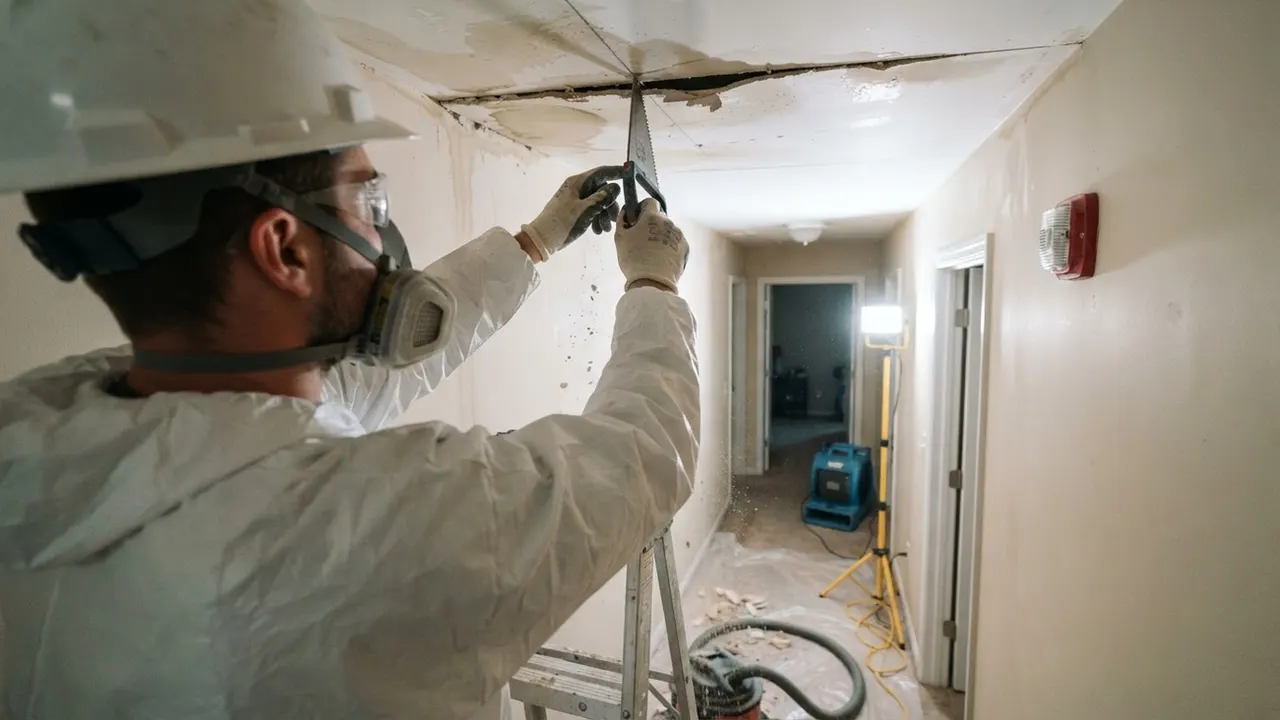
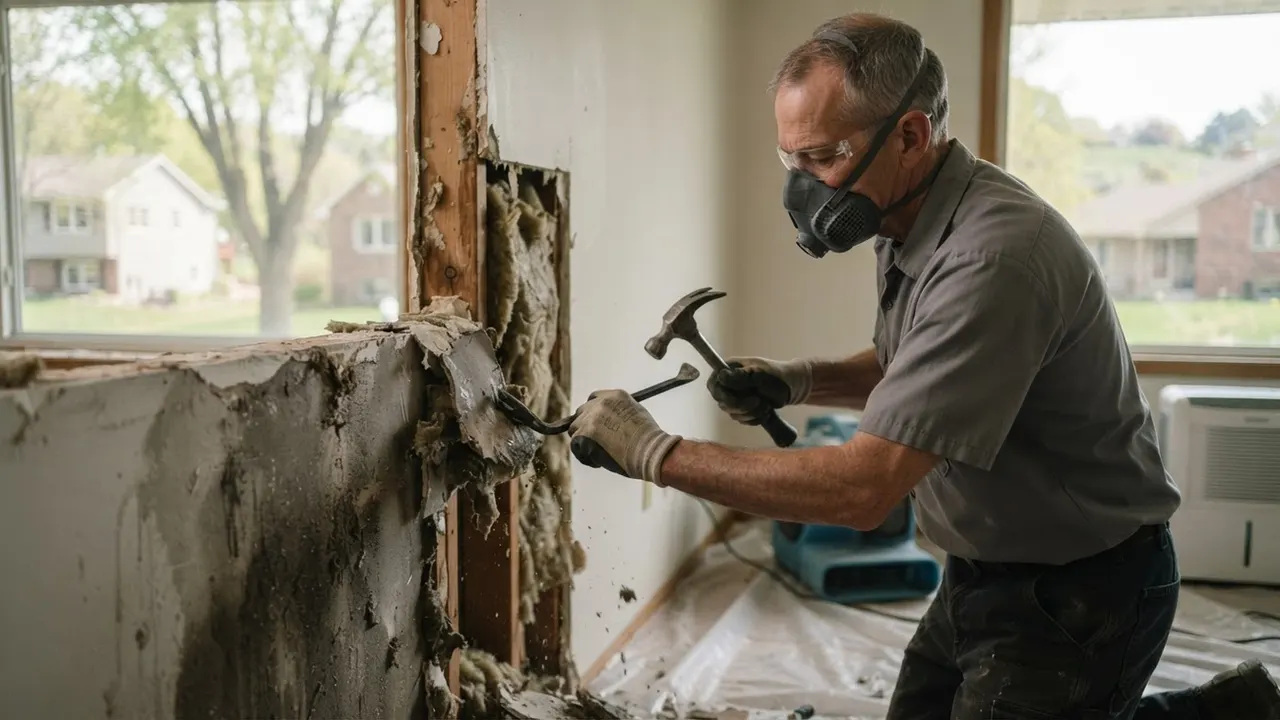
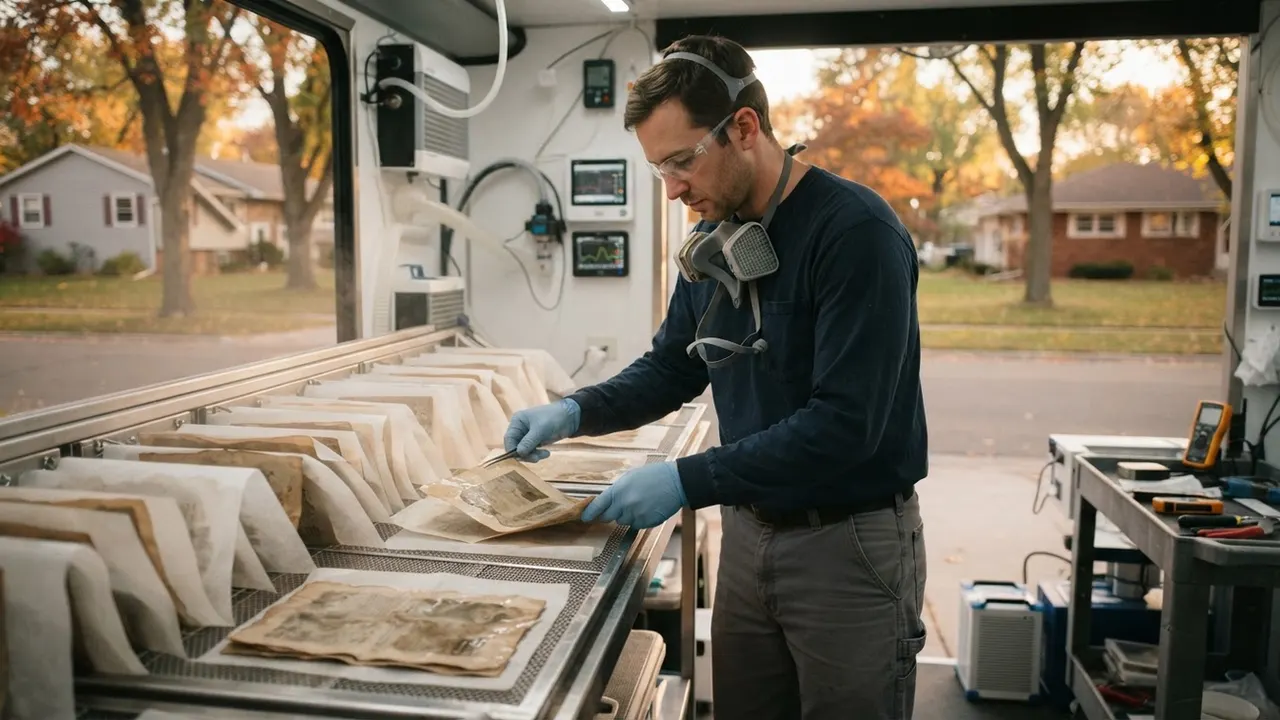
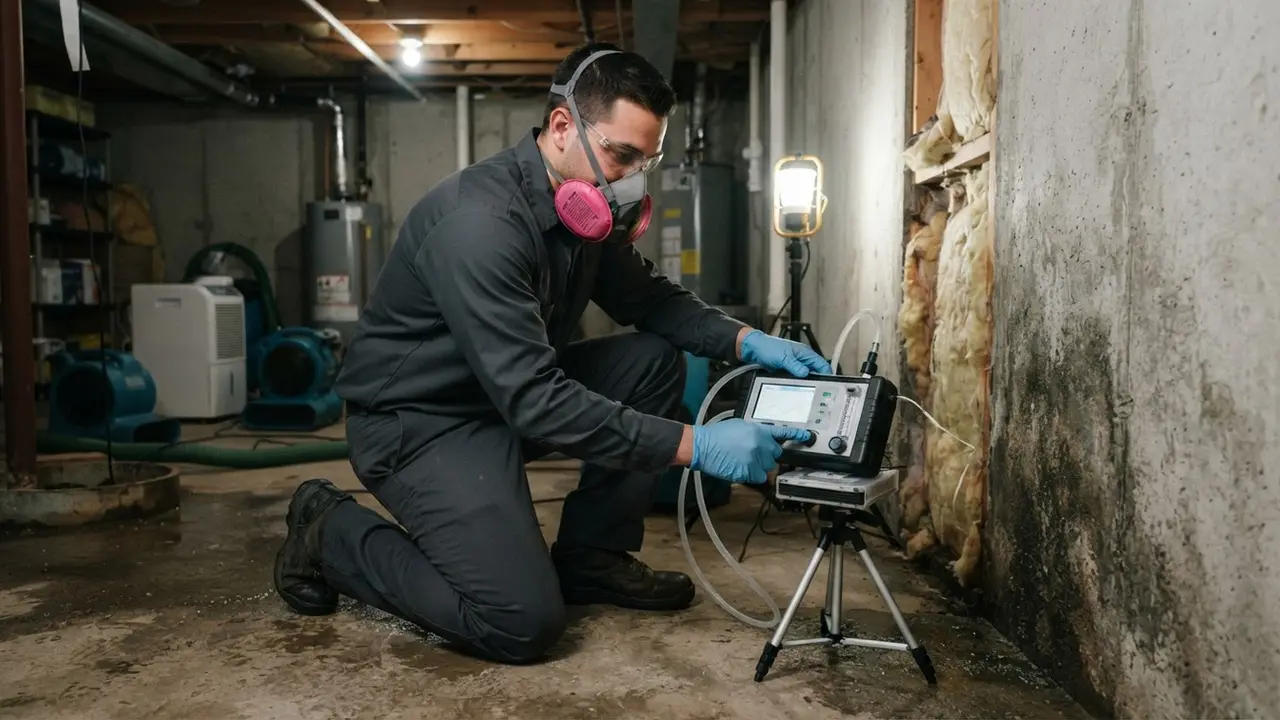
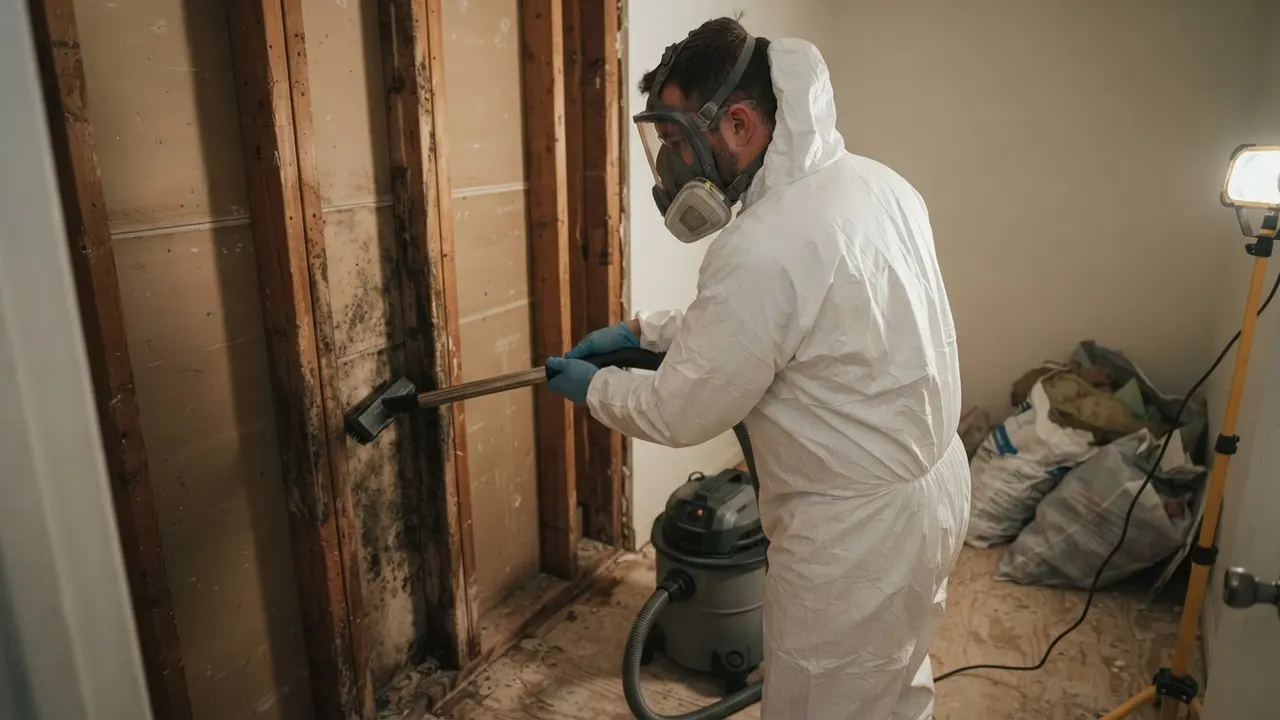
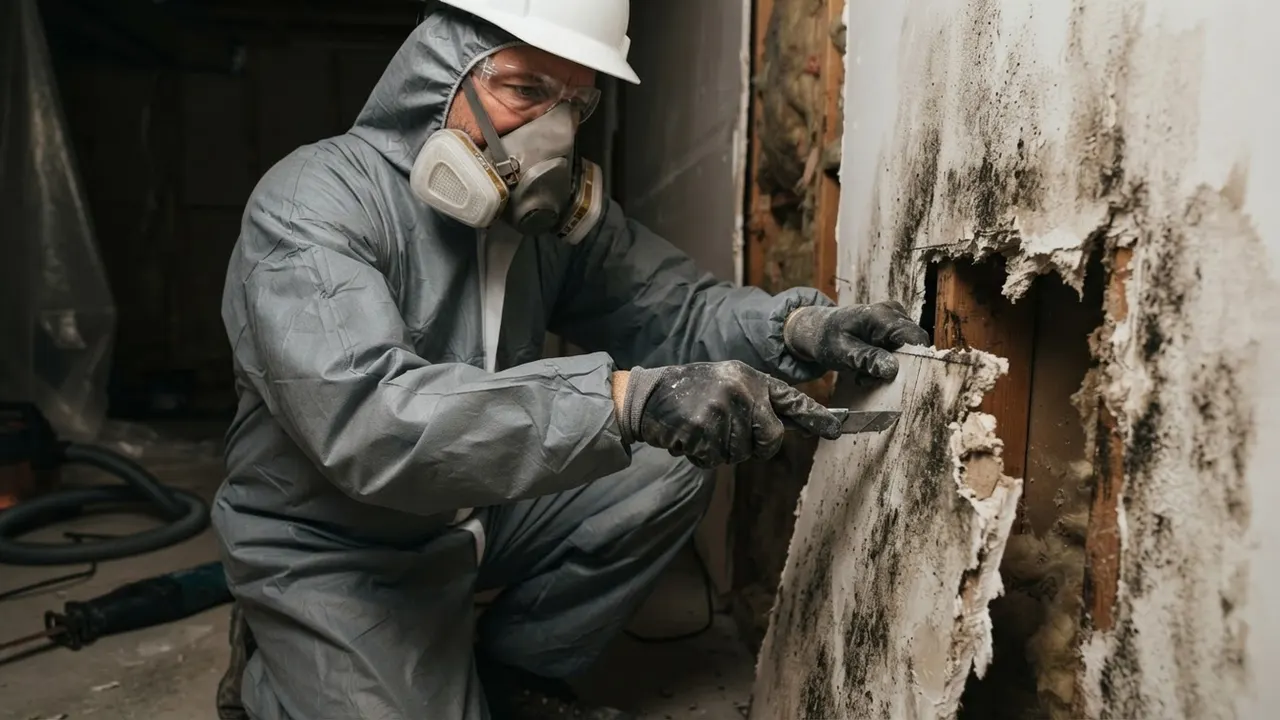
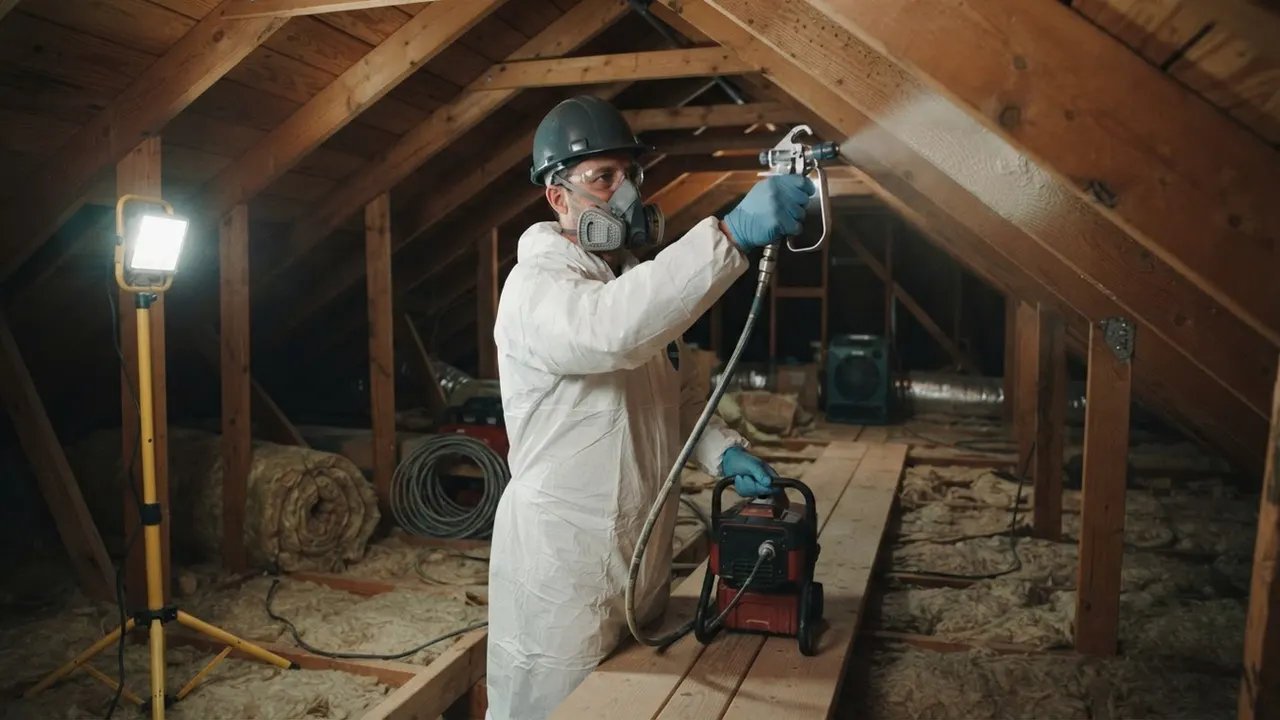
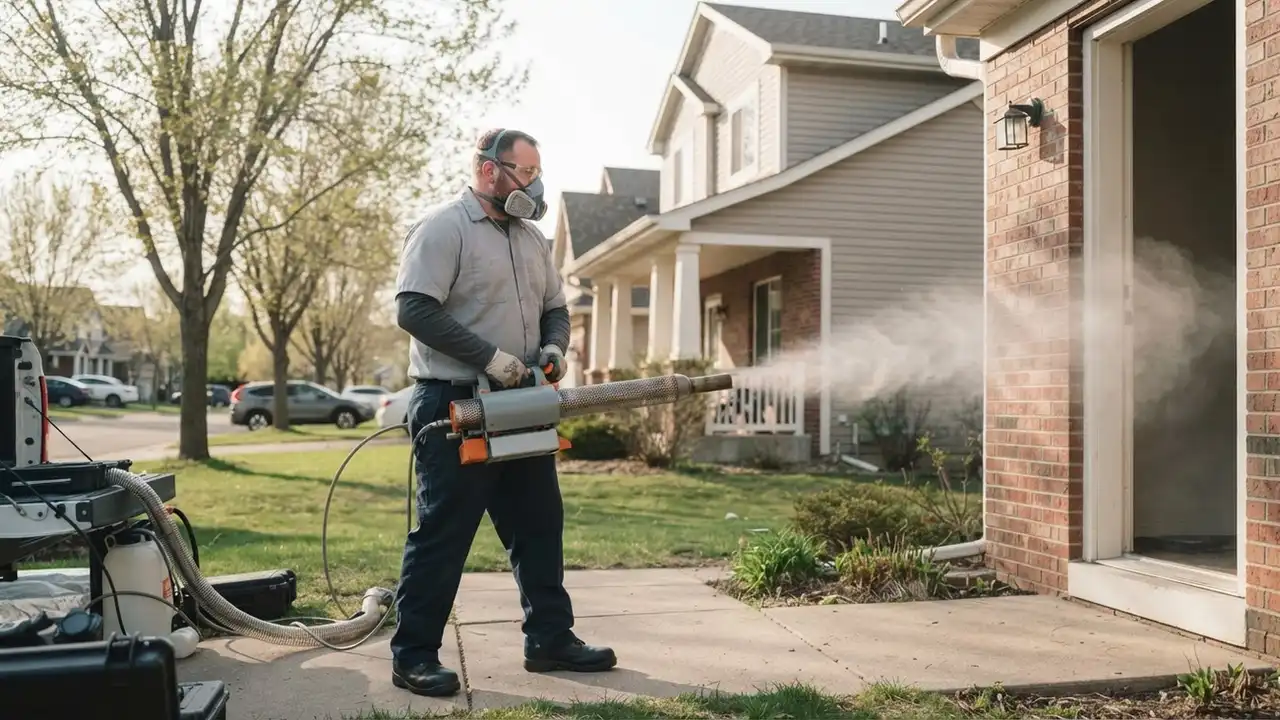
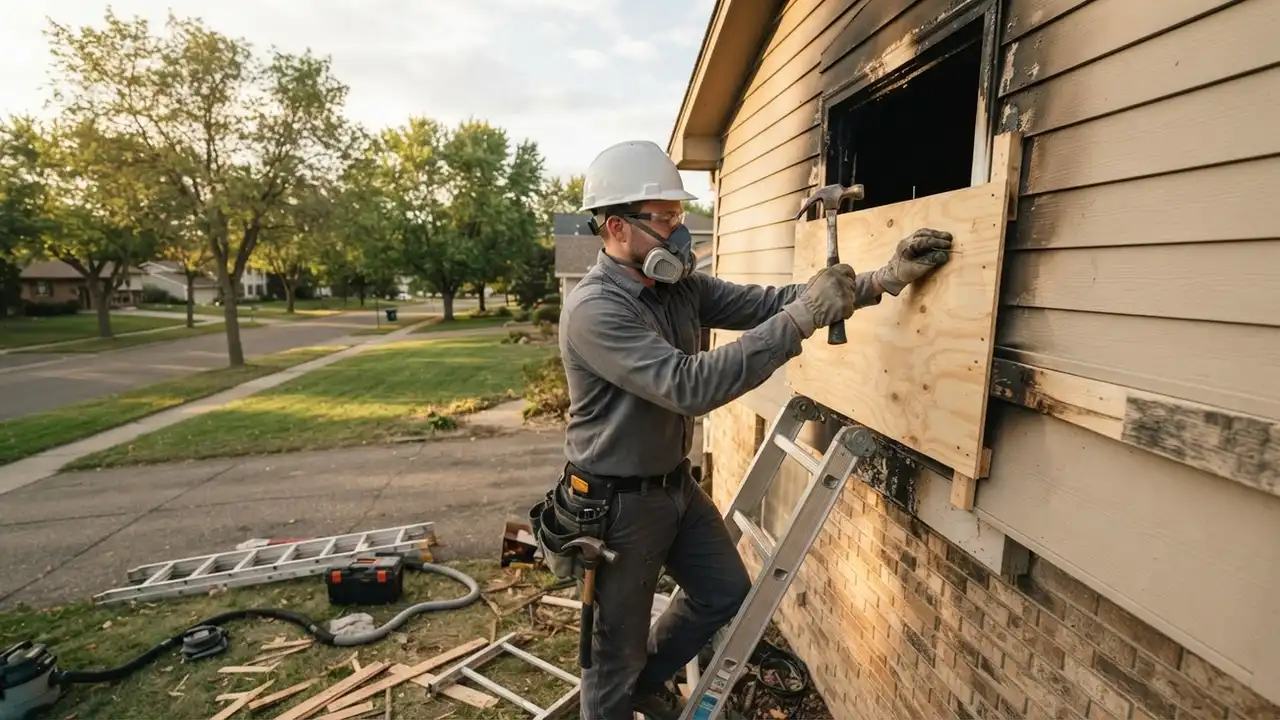
Fire and water damage restoration Hopkins MN helps homeowners, tenants, and property managers address the water, smoke, and soot left after a fire. We secure affected areas, remove standing water, clean salvageable materials, and dry the building. Fire and flood damage restoration Hopkins MN also supports properties where suppression water has spread beyond the room of origin, helping you limit secondary damage and plan repairs from a clear assessment.
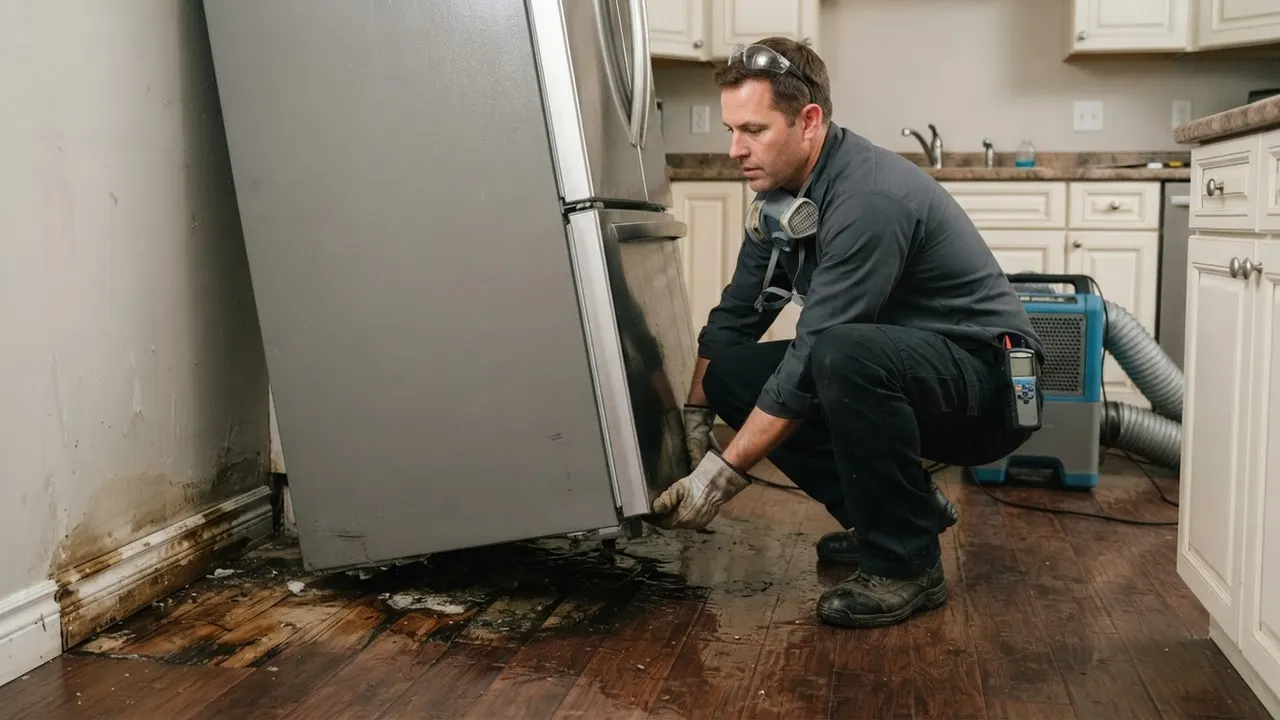
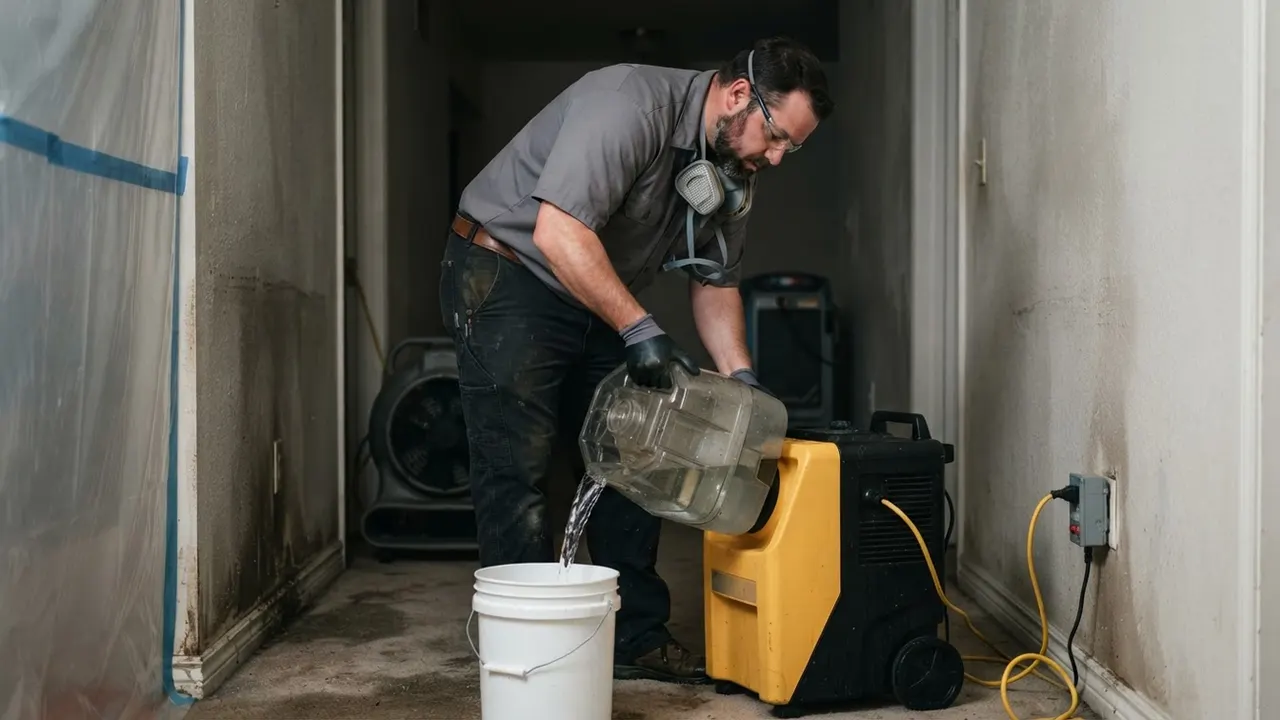
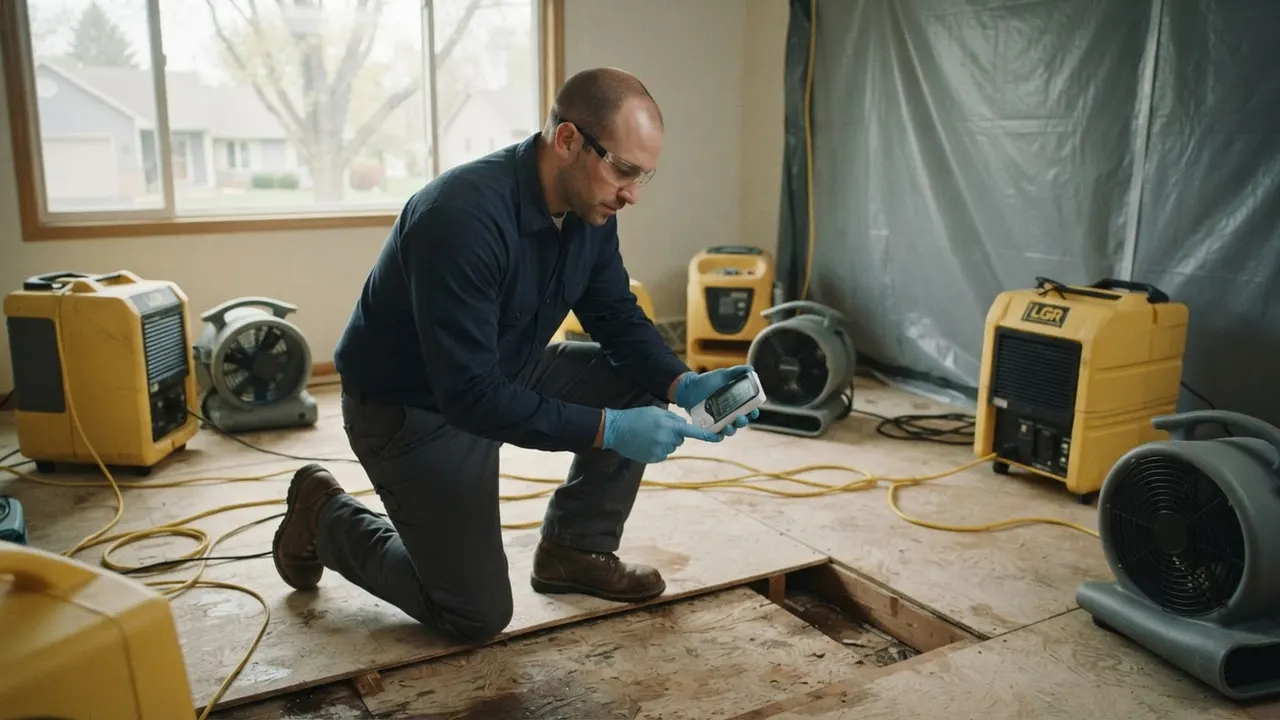
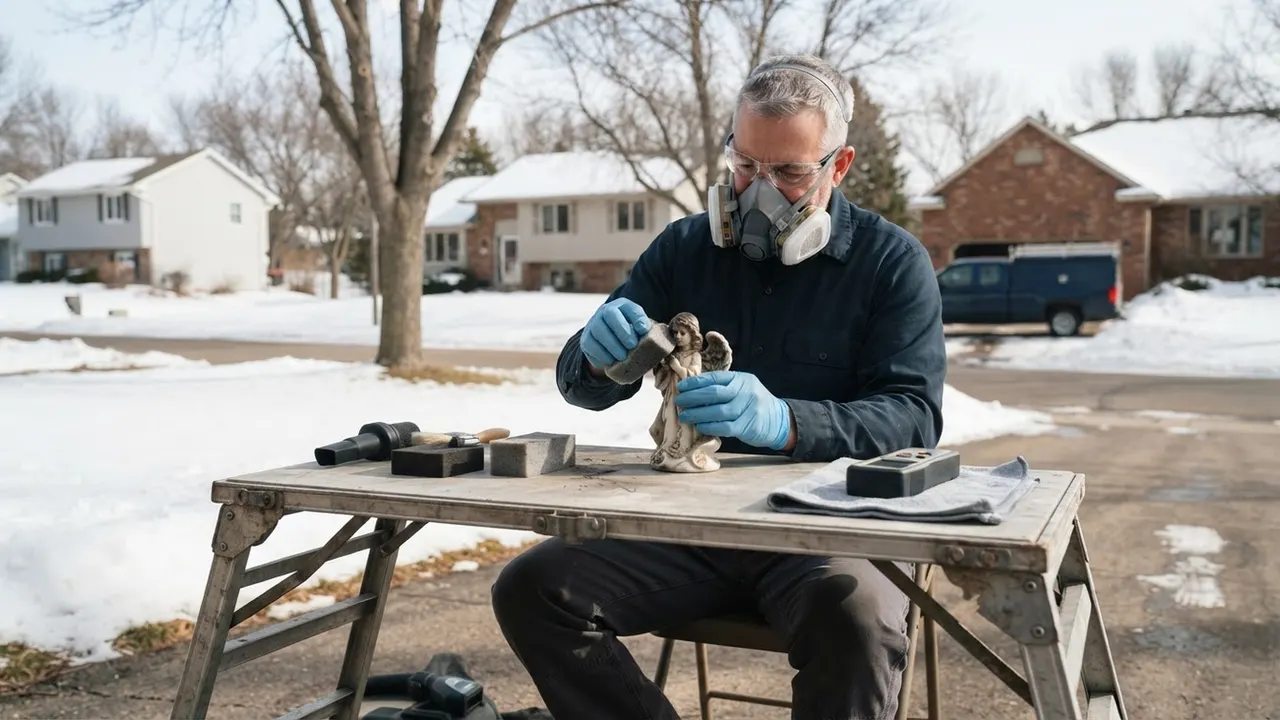
Documented readingsWe record selected moisture checks.
Protected walkwaysWe keep access routes clear.
Contents separatedWe sort items by condition.
Work area containedWe isolate cleanup where needed.
What the Restoration Covers
Fire and water damage restoration combines immediate water removal, soot and smoke cleanup, contents assessment, and structural drying. We identify the affected area, protect surfaces outside the work zone, and document what is cleaned or removed. Repair work, specialty contents treatment, and extensive reconstruction depend on the loss and are planned around the findings rather than assumed at the start.
Damage Assessment
We inspect visible fire and water impact, trace likely paths into adjoining spaces, and record affected materials. You receive a plain explanation of immediate priorities, including safety concerns, water extraction, and areas that need further inspection.
Water Extraction
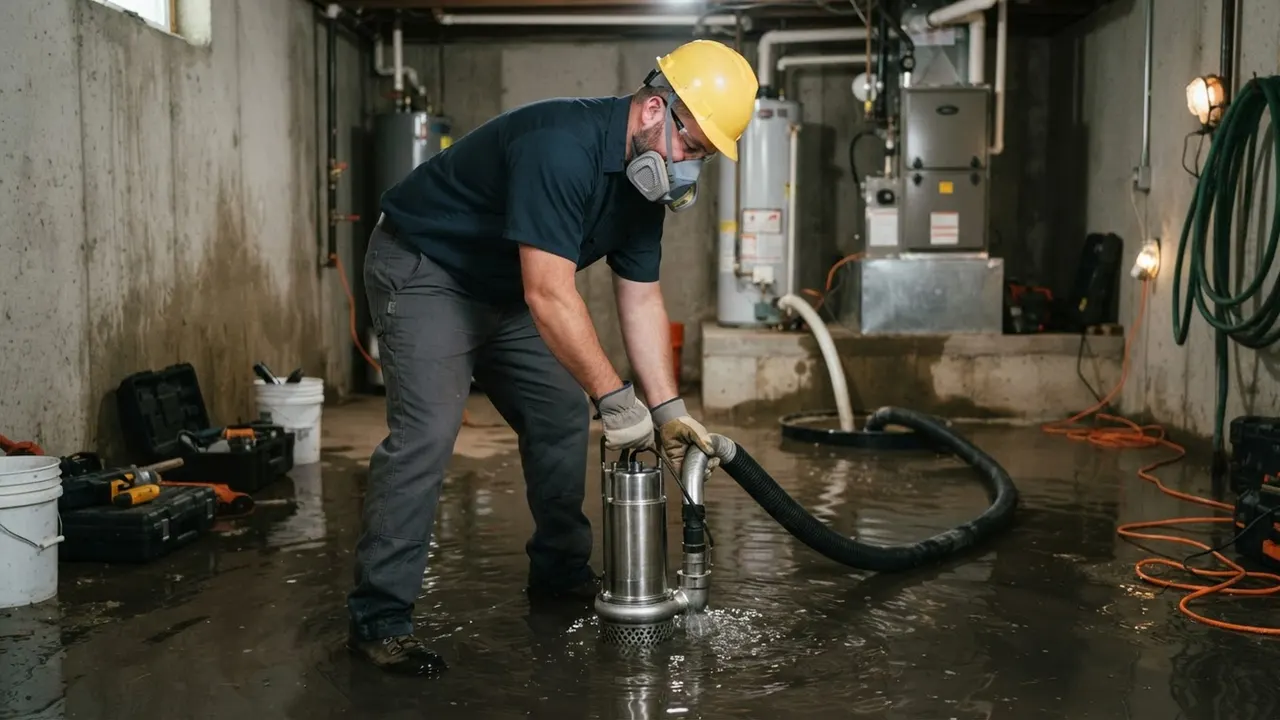
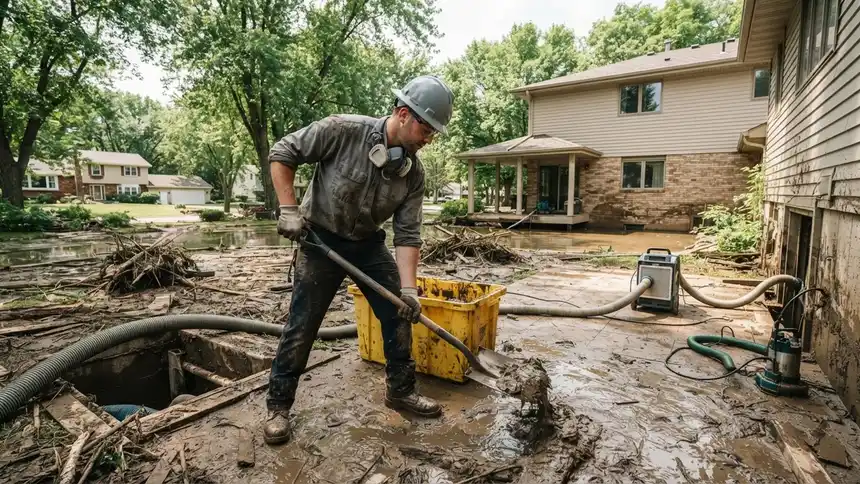
We remove accessible standing water with suitable extraction equipment and check adjacent rooms, floor edges, and lower levels. The aim is to reduce free water before structural drying begins and to identify wet materials that need removal.
Soot and Surface Cleaning
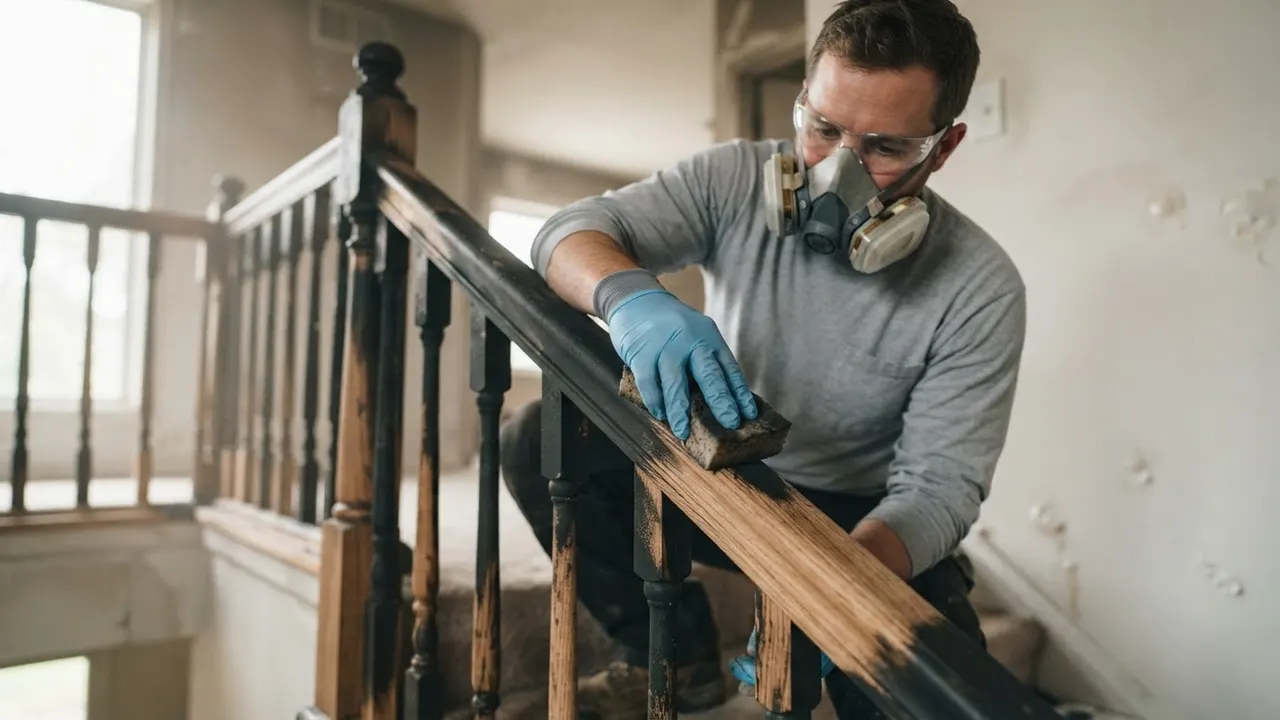
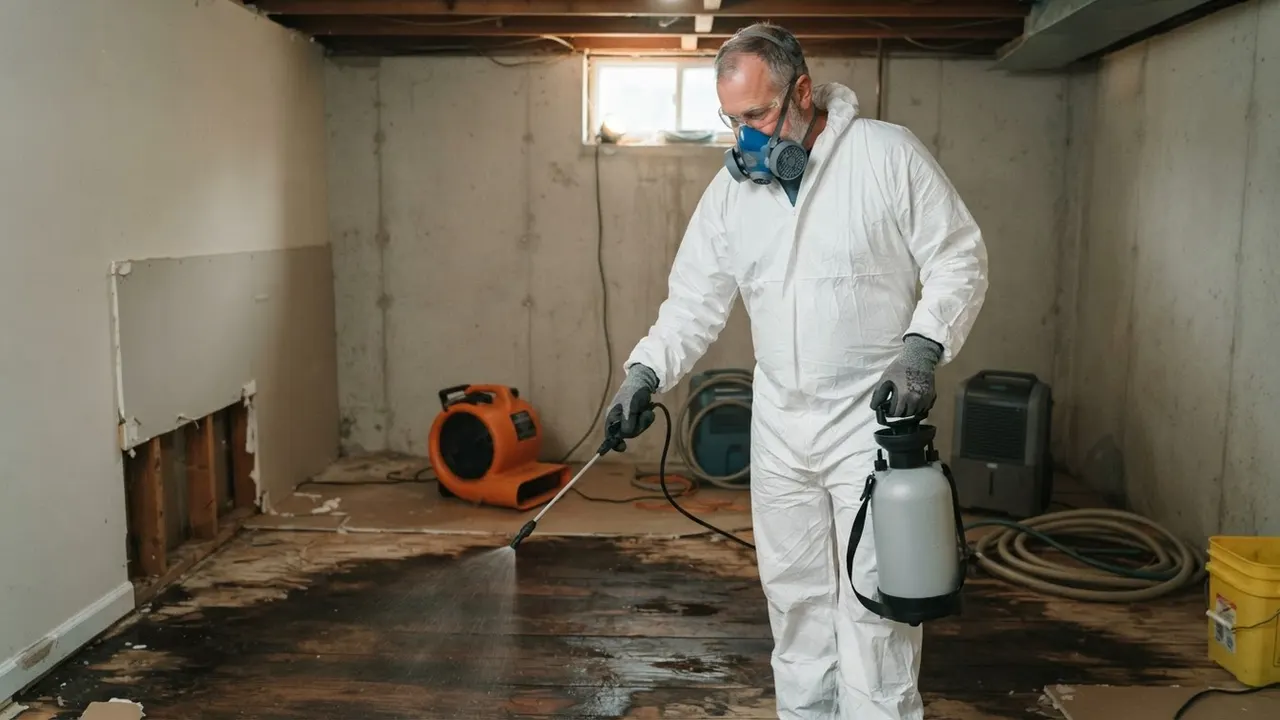
We match cleaning methods to residue and surface, isolate work areas where needed, and clean salvageable materials. This includes attention to soot transfer, surface finish, and whether an item needs specialized contents treatment.
Drying and Monitoring
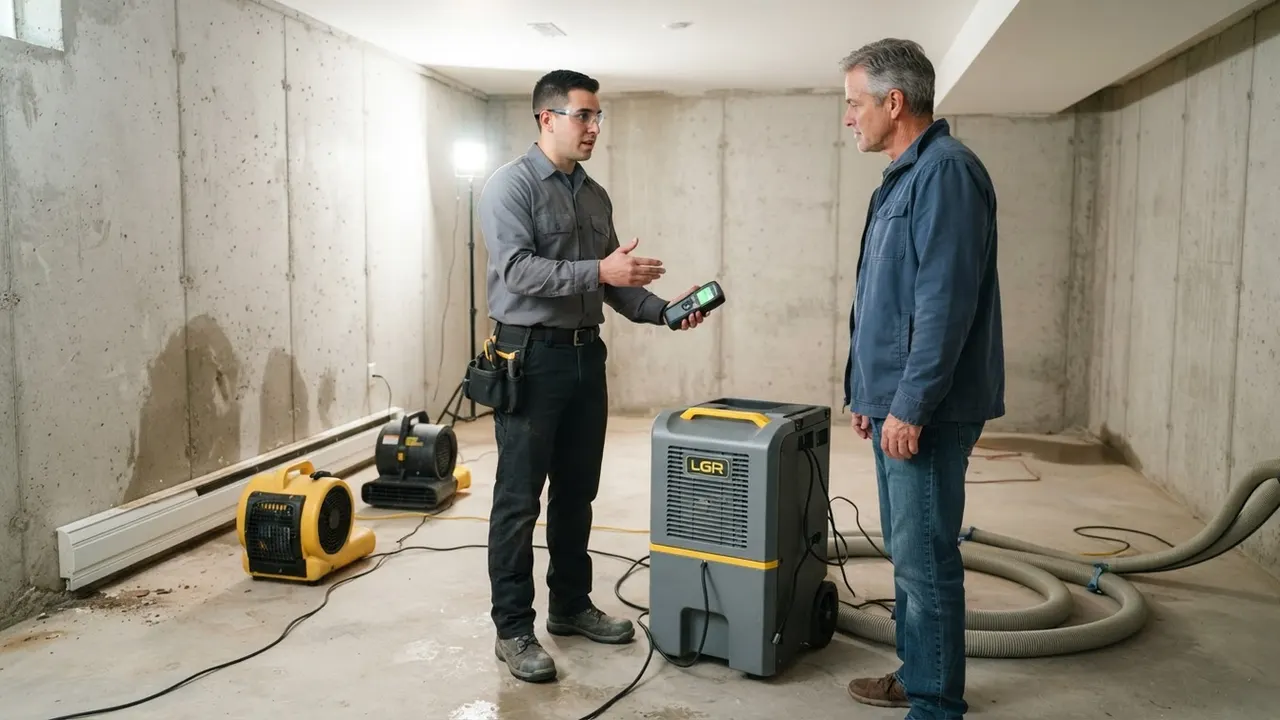
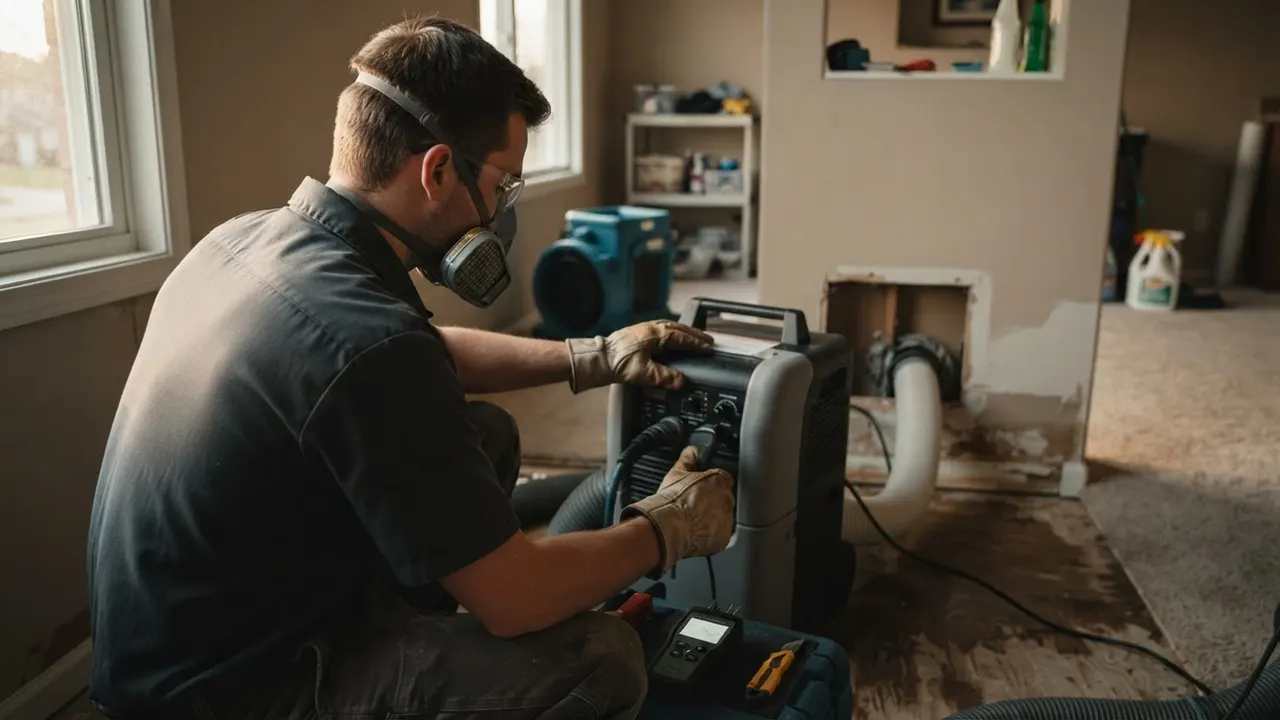
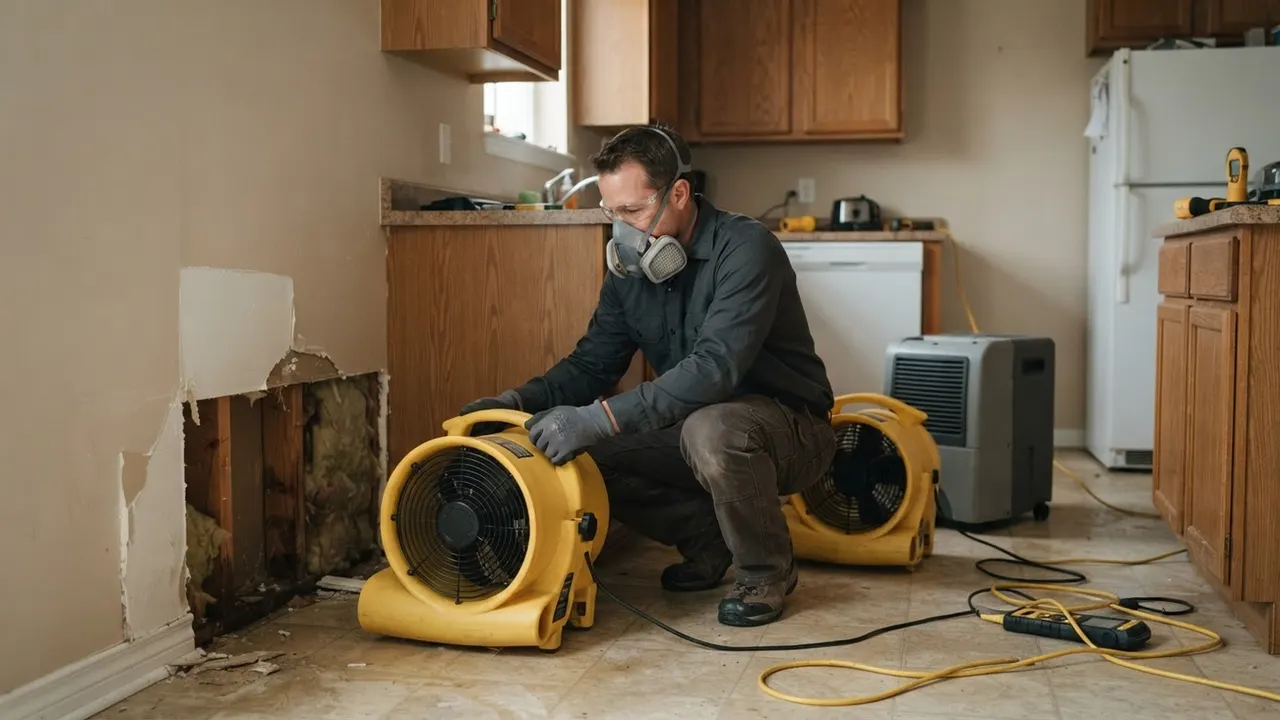
We place air movers and dehumidifiers according to the affected materials, then take repeat moisture readings. Equipment is adjusted as conditions change, and we explain which areas are drying and what remains before repair.
Odor and Contents Review
We assess smoke odor sources and sort contents by cleaning needs. Appropriate deodorization follows residue removal; we do not rely on masking scents where soot or contaminated material remains.
Homes and Businesses.
The approach is the same for a home and a business. What changes is the access, the schedule and who needs the paperwork.
Homes and Rentals
We help homeowners and tenants address soot, suppression water, and damp materials without losing track of belongings. You see what we inspect and how cleanup moves toward repair.
Kitchen fire with sprinkler water
Basement pipe burst after a fire
Smoke residue on household contents
Business Properties
We work with owners and property managers to identify affected suites, contents, and access routes. You get a cleanup sequence that accounts for occupied areas and repair planning.
Sprinkler water in shared corridors
Soot in a retail work area
Water damage in managed suites
Fire and Water Damage Restoration Hopkins MN
A plain-language look at what Fire and Water Damage Restoration involves and when it is needed.
Fire and water damage restoration Hopkins MN is a property recovery service that removes fire residue and suppression water, then cleans and dries affected building materials. A fire can leave soot on walls and contents while hoses or sprinklers saturate drywall, insulation, flooring, and framing. We first identify unsafe areas and stop active water movement where possible. Then we document damage, extract water, remove material that cannot be restored, and set drying equipment. The work is coordinated so cleaning, drying, and repair decisions follow the actual condition of your property.
Hopkins homes and commercial buildings face a mix of basement flooding, roof leaks, frozen pipe bursts, and fire-related water damage, especially through Minnesota's freeze-thaw seasons. Our team checks the source, affected rooms, and hidden moisture before choosing a cleanup plan. If you are searching for fire and water damage restoration in Hopkins MN near me, we can explain which materials are salvageable and what needs removal. We serve Hennepin County, including Mainstreet and the Blake Road area, with a practical focus on limiting further damage.
Fire and water restoration removes residue and moisture before damaged spaces move into repair.
What it is
Coordinated removal of fire residue and water, followed by cleaning, drying, and repair preparation.
When needed
After fire, smoke, suppression water, or a related leak affects building materials or contents.
What to expect
Assessment, extraction, surface cleaning, moisture checks, and a documented next-step plan.
What Happens During Restoration
Fire and water damage restoration in Hopkins starts with a safety and damage assessment, then moves through extraction, cleaning, drying, and repair preparation. We explain each stage before equipment goes in, keep you updated as readings change, and document progress. The length depends on how far water traveled, what burned, and which materials can be restored.
Assess and Secure
On the first visit, we walk the affected areas with you, note fire and water paths, and identify immediate hazards. We check whether water is still entering and discuss safe access around damaged ceilings, electrical areas, or unstable materials. This inspection usually takes 30 to 90 minutes for a contained loss, followed by a clear explanation of the first work steps.
Walk-through
Safety check
Damage notes
Extract Standing Water
We remove pooled water with a wet/dry vacuum or sump pump where conditions call for it, then check adjoining rooms and lower levels. Water extraction often takes several hours, depending on the volume and access. If a frozen pipe burst or appliance leak is still active, we coordinate the cleanup around stopping that source so wet materials do not keep getting saturated.
Water removal
Area check
Source review
Clean Soot and Contents
We sort contents and surfaces by material and residue, then clean with methods suited to each item. Dry soot can behave differently from oily residue, so a small test area helps determine the right approach. We use plastic sheeting to isolate unaffected areas and prevent dust or residue from moving into rooms you still need to use.
Surface test
Soot cleaning
Contents sort
Dry and Monitor
Air movers and dehumidifiers keep air circulating while we measure moisture in affected materials. We record readings and reposition equipment as drying progresses; many contained water losses need roughly three to five days of active drying, while larger fire losses take longer. You will know when readings are improving and which locations still need attention.
Air movement
Moisture checks
Equipment changes
Prepare for Repairs
Once cleaning and drying are complete, we review the affected surfaces with you and identify items ready for repair or replacement. We document completed work and remaining damage so the restoration plan is easier to follow. If mold or persistent odor is present, we address that condition before new drywall, insulation, or finishes cover the area.
Final review
Repair notes
Photo record
Tools and Restoration Methods
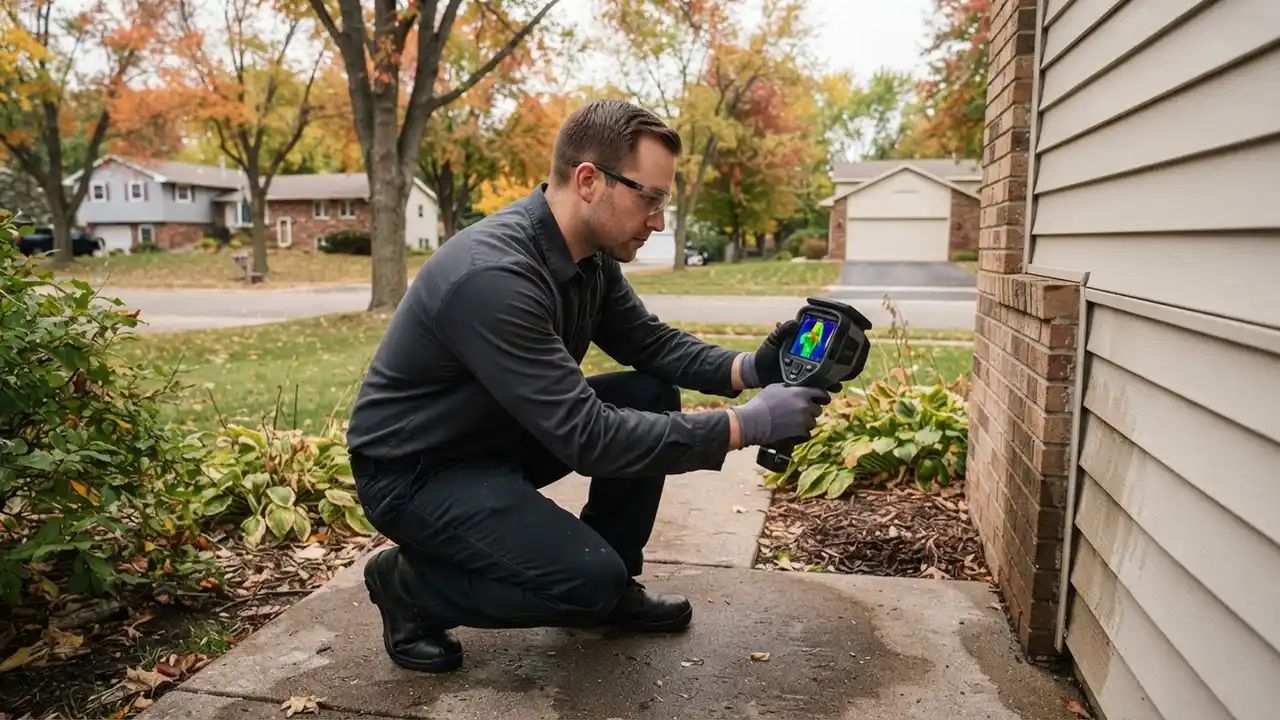
Move across a circle, or focus it and press Enter, for an illustrative thermal view of the photograph.
Thermal Imaging Camera
Moisture Meter
This tool checks moisture in selected materials and helps compare affected areas with suitable dry reference locations during structural drying.
Air Mover
Air movers direct airflow across wet surfaces to support evaporation, with placement adjusted to the room layout and material readings.
Dehumidifier
A dehumidifier removes moisture from room air during drying, helping manage conditions while wet building materials release moisture.
HEPA Vacuum
We use HEPA filtration on suitable surfaces to collect fine particles during cleanup and reduce the chance of redistributing loose residue.
Thermal views are illustrative, generated from the photographs.
Methods
Negative air machine
Where containment is needed, this equipment helps manage airflow from the work zone and filter airborne particles during specific cleanup tasks.
IICRC WRT-informed water restoration
We assess water conditions, extract standing water, and plan drying around affected materials. The work includes documenting readings, selecting appropriate equipment, and checking progress rather than removing equipment by guesswork. Water source and material condition guide whether cleaning, drying, or removal is the next useful step.
IICRC ASD structural drying
Structural drying uses controlled airflow and dehumidification to address moisture in building materials. We establish a baseline, place equipment for the affected area, and repeat checks during the job. If conditions are not improving, we reassess airflow, access, or material removal instead of continuing the same setup.
Soot surface testing
Before broad cleaning, we assess residue and test an inconspicuous area to see how the surface responds. That helps prevent smearing, finish damage, or unnecessary removal. We select cleaning methods for the specific material, then review the result before moving across a larger area.
Contained work-zone setup
We use barriers such as plastic sheeting when the work area needs separation from occupied or unaffected rooms. The setup is adjusted to access, airflow, and the type of cleanup underway. We keep routes clear and remove barriers when the controlled work is complete.
When to Call for Restoration
Kitchen Fire
A kitchen fire in a Mainstreet Hopkins home leaves smoke on cabinets and sprinkler water across the floor.
We assess the kitchen and adjoining rooms, extract standing water, and check cabinet bases and nearby flooring for moisture. We isolate the work area, clean soot according to the surface, and identify contents that need separate treatment. Drying checks guide when repair work can start.
Outcome: You get a documented path from initial cleanup to repair, with wet areas and soot-affected surfaces handled as connected parts of the loss.
Winter Pipe Break
A winter fire response sends water into a basement near Blake Road while a pipe has also frozen.
We identify both water sources and confirm the active plumbing issue is controlled before extraction. Our team checks the basement, lower wall edges, and storage contents, then sets drying equipment based on readings. We document the separate conditions so the cleanup plan remains clear.
Outcome: The basement can move toward a dry, repair-ready condition without overlooking the pipe damage or mixing it up with fire residue.
Commercial Suite
A small commercial fire near Excelsior Boulevard leaves soot in the work area and water in a neighboring suite.
We map the affected suites, clean residue where it has settled, and remove water from the neighboring area. The work sequence accounts for safe access, inventory, and areas needed for operations. We use barriers and focused equipment placement to limit disruption beyond the damaged rooms.
Outcome: The property manager receives a clearer division of affected spaces, cleanup progress, and remaining repair needs for each suite.
Attic Roof Leak
A roof leak after storm damage wets attic insulation above a smoke-affected Hopkins home.
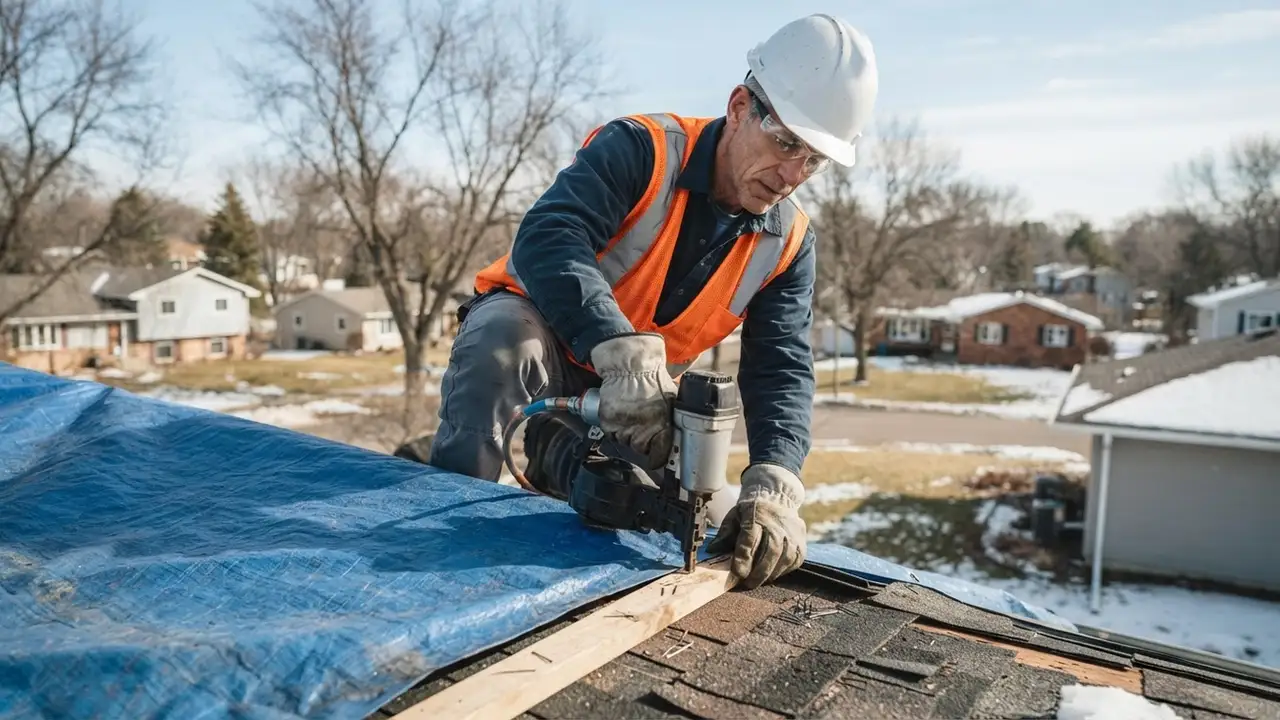
We inspect the interior water path and visible attic conditions, then address accessible water and wet materials. We coordinate cleanup with temporary roof protection where needed and check for damp insulation or ceiling materials. Smoke cleaning proceeds alongside moisture control, not instead of it.
Outcome: The home gets a recovery plan that accounts for both the roof opening and the fire residue below, reducing the chance of repeat interior damage.
Downtown HopkinsBlake Road CorridorMeadowbrook
How Restoration Works in Hopkins
Hopkins has a mix of older homes, multi-unit properties, businesses, and lower-level spaces where water can travel unseen. Winter freeze-thaw cycles raise the risk of frozen pipe bursts, while spring storms and roof leaks can add water to an already damaged structure.
Fire and flood damage restoration Hopkins MN requires us to track both the residue and the moisture path, especially where a basement or shared wall is involved. We check for wet insulation, damp framing, and water beneath flooring before repair materials go back in. If you are looking for same day fire and water damage restoration Hopkins MN, call to describe the loss and we will discuss the next step.
Our local work includes Downtown Hopkins, Meadowbrook, and the Blake Road Corridor. We serve Hennepin County and nearby addresses in ZIP codes 55343 and 55305. We plan equipment around access, occupied rooms, and the building's actual condition, not a one-size-fits-all layout.
Downtown Hopkins: For mixed-use and multi-unit properties, we check shared walls and adjoining spaces where suppression water or smoke may have traveled.
Blake Road Corridor: Basements and utility areas call for careful checks around pipe runs, lower walls, and stored contents after winter water losses.
Meadowbrook: We look beyond the visible room after roof or appliance leaks, checking floor edges and connected spaces for moisture.
Mainstreet: Commercial cleanup needs clear separation between affected work areas, contents, and routes used by tenants or staff.
Winter freeze-thaw weather increases risk of pipe breaks and roof leaks: Water can keep entering while a fire loss is being cleaned. We identify active sources, check connected areas, and account for added moisture in equipment placement and documentation.
Basements and lower levels can conceal water beyond visible floor puddles: Water may reach wall cavities, stored contents, or ceiling materials below the affected room. We inspect edges and adjoining spaces so drying and removal decisions reflect the full path.
We walk the affected rooms and explain visible damage and access concerns.
We protect the work area and position extraction or cleaning equipment.
We check progress, discuss readings, and outline the next repair steps.
From Problem to Finished Result.
IllustrativeThe thermal view is generated from the photograph. It is not a measurement. Drag the handle, or use the arrow keys once it is focused.
Kitchen Fire and Hallway Water
Before: A contained kitchen fire left soot on cabinets and a smoky odor in the adjoining hall. Firefighting water crossed the floor and dampened the lower drywall, but the visible puddle did not show how far moisture had traveled. The household had moved contents out of the work area and needed a clear repair sequence.
After: We extracted standing water, cleaned affected cabinet surfaces, and monitored selected wall and floor locations. After four days of drying checks, the documented readings showed the monitored materials had improved enough for the next repair stage. The household had a photo record and a list of items requiring additional cleaning.
Keep exhaust and heating vents clear while repairs are underway, and report any returning odor or damp spot. Check the repaired area after heavy use of nearby plumbing and keep the cleanup photos with the claim file.
Basement Water After Pipe Failure
Before: A frozen pipe burst during a Hopkins cold spell, sending water across a basement where smoke cleanup was already needed. Boxes and flooring were wet, and the lower wall edges felt cool. The owner was unsure whether the water had reached the adjoining storage room.
After: Once the pipe source was controlled, we removed pooled water, checked both rooms, and set drying equipment. Over five days, repeated moisture checks helped locate the remaining damp area and guide equipment changes. Wet contents were separated from soot-affected items, leaving a clearer path to basement repairs.
Keep stored items elevated off basement floors and inspect plumbing areas before severe cold. If a pipe or roof leak returns, address the source quickly and check adjoining rooms rather than drying only the visible puddle.
Smoke and Suppression Water in a Suite
Before: A small commercial fire left soot in one suite and sprinkler water along the shared corridor. The property manager needed to understand which areas were affected before arranging repairs and reopening the adjacent workspace. Some inventory was still in the corridor.
After: We documented the affected rooms, moved cleanable contents out of the work path, and extracted corridor water. Soot cleaning and drying proceeded in separate zones, with equipment checked at each follow-up. The manager received photos and job notes showing the rooms ready for repair and the items needing further attention.
Keep the repaired corridor clear until finishes are fully restored, and check ceiling areas after the next significant rain. Maintain the contents inventory and cleanup records with the property file for future maintenance.
Problems Solved After Fire and Water Loss
Fire and water damage restoration near me Hopkins Minnesota is often needed when visible cleanup does not reveal the full loss. Smoke can settle beyond the burned room, while water can travel through floors and wall cavities. We locate the source, document what is affected, and work through the conditions that could delay safe repairs.
Hidden moistureSuppression water trapped beneath flooring and inside wallsHidden dampness can swell materials, damage finishes, and support mold growth if the area is closed before it dries. We inspect the water path, check accessible surfaces with a moisture meter, and use extraction and drying equipment where readings indicate retained moisture. If drywall or insulation cannot be dried in place, we identify the affected section for removal. You can follow progress through recorded checks rather than relying on the floor's appearance.
Soot spreadSoot spreading from the fire room into clean living areasFoot traffic and ordinary wiping can smear residue onto paint, furniture, and fabrics, increasing the cleaning area. We separate affected and unaffected rooms with plastic sheeting where practical, then clean surfaces using methods suited to the residue. A HEPA vacuum can capture loose particles on compatible materials. We also sort contents so items needing separate treatment do not move through clean areas.
Lingering odorSmoke odor remaining after visible residue is cleanedOdor can persist in porous materials or concealed cavities and become more noticeable when the building warms or ventilation runs. We look for the source instead of covering the smell. Our team checks affected contents and materials, cleans residue first, and identifies porous items that need treatment or replacement. Where HVAC components are involved, we assess that condition before restarting normal circulation.
Pipe failureWinter pipe failure adding water to fire damageA frozen pipe burst can send water through a basement or wall while fire cleanup is underway, expanding the drying area and repair work. We treat the added water as a separate source within the combined restoration plan. After the plumbing leak is controlled, we extract water, check connected spaces, and update drying equipment and documentation. That keeps the pipe loss from being missed while attention is focused on smoke and soot.
A Cleaner Path Back to Use
Cleaned surfaces and monitored drying prepare your property for informed repairs.
Stop Moisture Spreading
We extract standing water and map damp areas before placing air movers and dehumidifiers. A moisture meter helps track readings in framing and drywall rather than relying on touch. This is useful when suppression water crosses a hallway or reaches a lower level, where hidden moisture can remain after the floor looks dry.
Remove Smoke Residue
Soot type and surface matter. We use the appropriate cleaning approach for painted walls, fixtures, and contents, then capture fine particles with a HEPA vacuum where suitable. This avoids spreading residue during ordinary wiping and helps prepare affected surfaces for sealing, refinishing, or replacement.
Protect Recoverable Contents
We separate affected belongings by condition and cleaning needs, then identify items that can be cleaned on site or packed for treatment. A short inventory with photos gives you a usable record for the claim. Contents near the fire may need soot cleaning even when flames never reached them.
Coordinate the Full Recovery
Fire and flood damage restoration Hopkins MN brings water removal, soot cleanup, odor work, and drying into one sequence. You can see what has been cleaned, what remains wet, and which repairs follow. That coordination reduces duplicated work between cleanup and reconstruction.
What You Receive
Clear records you can keep and share.
Photo Record
Images of affected areas and cleanup progress.
Moisture Log
Selected readings recorded during drying checks.
Contents List
Items sorted for cleaning or further review.
Work Notes
Tasks completed and next repair considerations.
Know What the Cleanup Addresses
Fire residue and water damage need related but distinct steps; identifying both prevents one condition from being overlooked.
Fire Residue
Soot and smoke deposits require surface-specific cleaning.
Residue can spread beyond flames
Cleaning methods vary by surface
Odor treatment follows source removal
Water Impact
Suppression water can remain inside building materials.
Visible dryness is not enough
Readings guide drying changes
Wet insulation may need removal
Repair Readiness
Cleaned, dry surfaces provide a clearer starting point for repairs.
Document affected areas
Resolve moisture before covering
Separate salvageable contents
Materials and Systems
Drywall
Insulation
Plastic sheeting
Air movers
Dehumidifiers
Air scrubbers
Contents
Flooring
Service ZIP Codes.
A list like this tells people straight away whether you cover their street. Not listed? Call and ask: it only takes a minute.
After a small kitchen fire, the suppression water reached the hallway and basement ceiling. The crew showed us where moisture had traveled and removed the wet material before setting drying equipment. They also cleaned soot from the nearby cabinets and kept our belongings separated. The photos and daily notes made it much easier to understand what was happening.
A tenant's unit had smoke residue and water across two rooms after a fire. The team worked through the contents and surfaces in an organized way, then checked the adjoining unit for moisture. We appreciated the clear updates and the measured drying checks. The repair crew had a cleaner, documented area to work from afterward.
A winter pipe burst during the same week we were dealing with smoke damage from a nearby fire incident in our home. The cleanup crew handled the water first, then returned to the soot-affected rooms. They explained which drywall needed removal and which items could be cleaned. The basement was dry enough for repairs after several days of monitoring.
Fire and Water Restoration Questions
Typical 2026 pricing depends on affected square footage, water depth, soot type, contents, and how much drywall or insulation requires removal. We inspect the property and explain the cost drivers before work proceeds. Emergency extraction, specialized contents cleaning, odor treatment, and reconstruction are separate scope factors.
Leave unsafe areas, call emergency services if needed, and arrange professional cleanup as soon as the property is safe to enter. Do not touch wet electrical equipment or scrape soot from walls; either action can create additional hazards or spread residue. Photograph visible damage from a safe location, protect important documents if accessible, and contact your insurer. We can assess fire and water damage cleanup near me Hopkins needs and explain immediate steps.
Homeowners or commercial policies often cover sudden fire damage and resulting suppression water, subject to policy terms, deductibles, and exclusions. Gradual leaks or neglected maintenance may be treated differently. Photograph damage, keep receipts, and notify your insurer promptly. We document affected materials, water pathways, and cleanup work to help you discuss the claim; your insurer determines coverage.
Choose a company that explains safety, water extraction, soot cleaning, drying measurements, and documentation before work begins. Ask how it tracks moisture and how it separates salvageable contents from damaged materials. Our team serves Hopkins and nearby neighborhoods, including ZIP codes 55343 and 55305. Call (833) 546-4116 to discuss your property and the conditions you are seeing.
Fire and water damage restoration Hopkins MN starts with a clear look at what burned, what got wet, and what needs immediate attention. Call Hopkins Water Damage Company at (833) 546-4116 to describe the loss and arrange the next step.
Call Hopkins Water Damage Company at (833) 546-4116 to describe a leak, fire, mold concern, or basement water problem. We connect you with independent companies serving Hopkins, Minnesota, including ZIP codes 55343 and 55305. Tell us the property type, affected area, and whether the source is still active so the provider can understand what help you need.