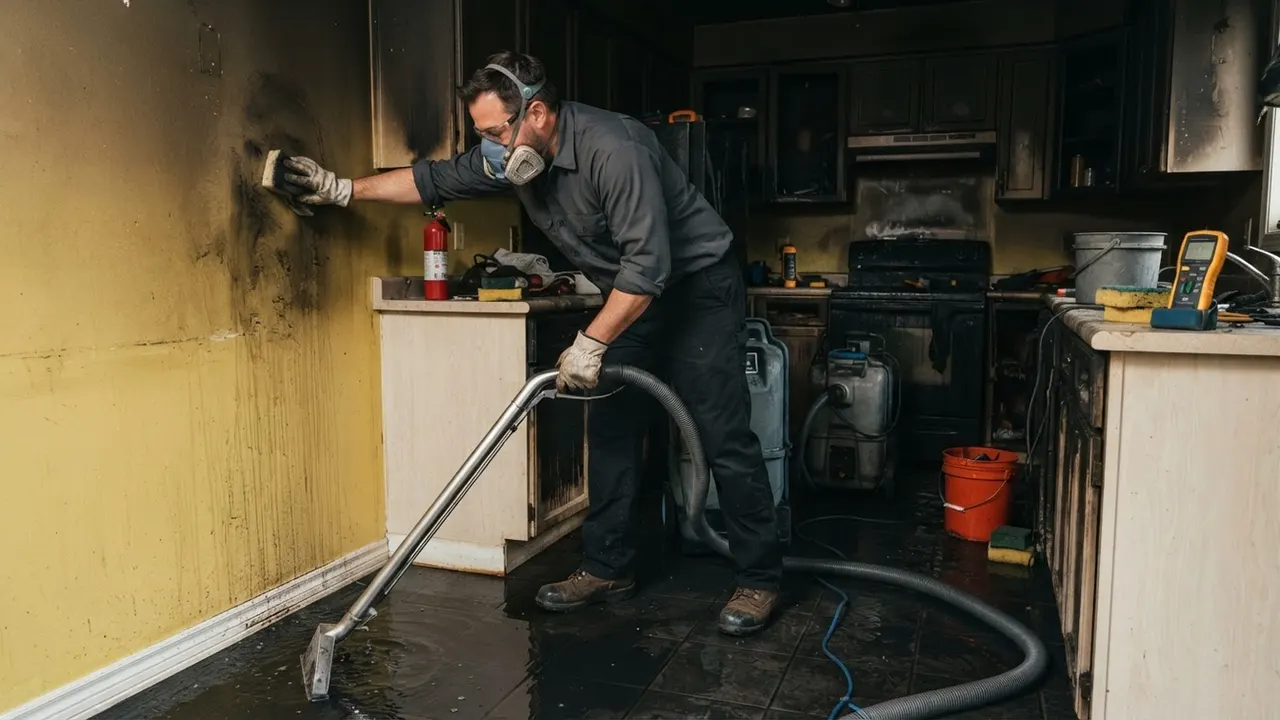
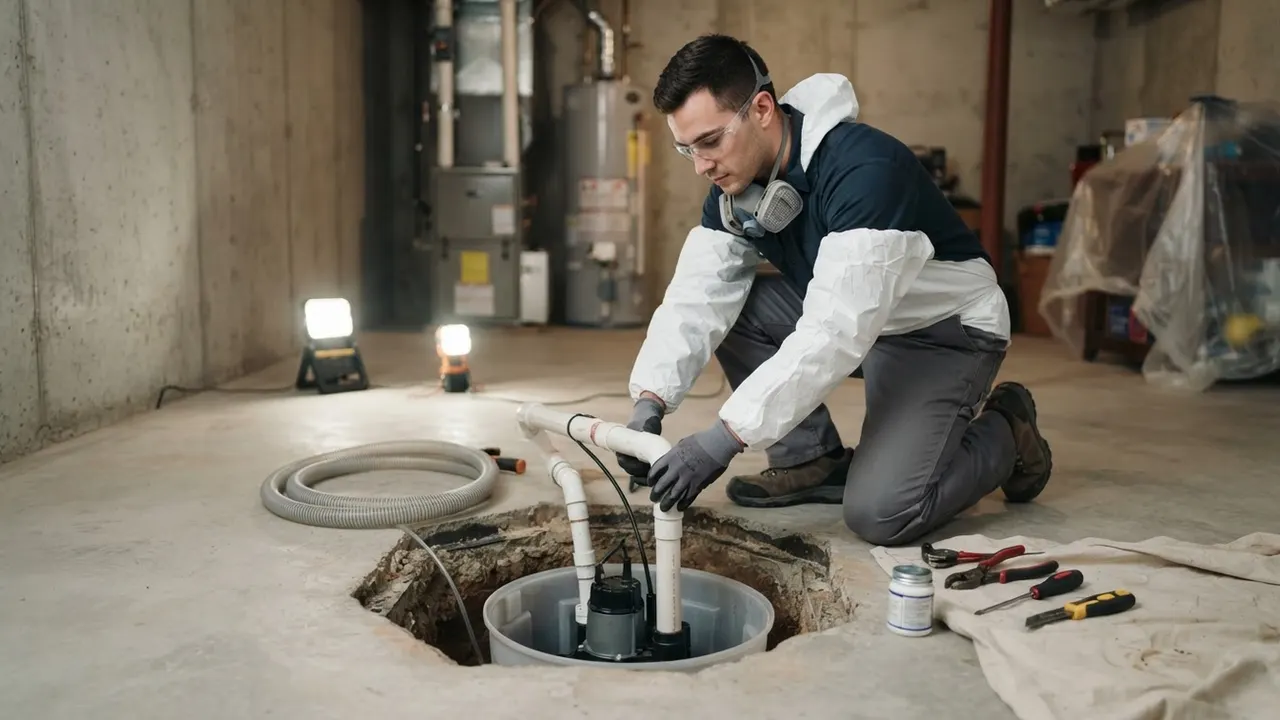
Structural cleaning and repair Hopkins MN helps homeowners and property managers address contaminated, wet, or smoke-affected building materials before damage spreads. We inspect the affected rooms, remove unsalvageable materials, clean remaining surfaces, and coordinate repairs so your property can return to service. Our team serves Hopkins, Minnesota, including homes, storefronts, and multi-unit buildings after leaks, flooding, sewage incidents, or fire-related cleanup.
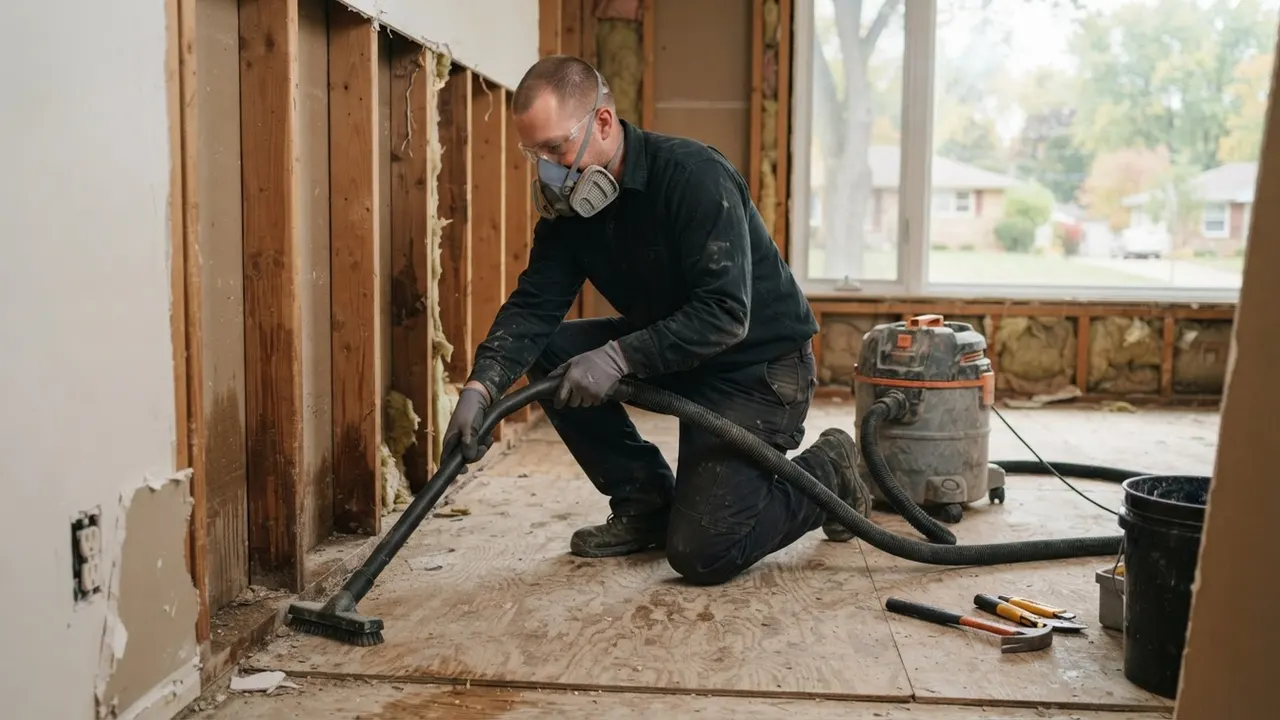
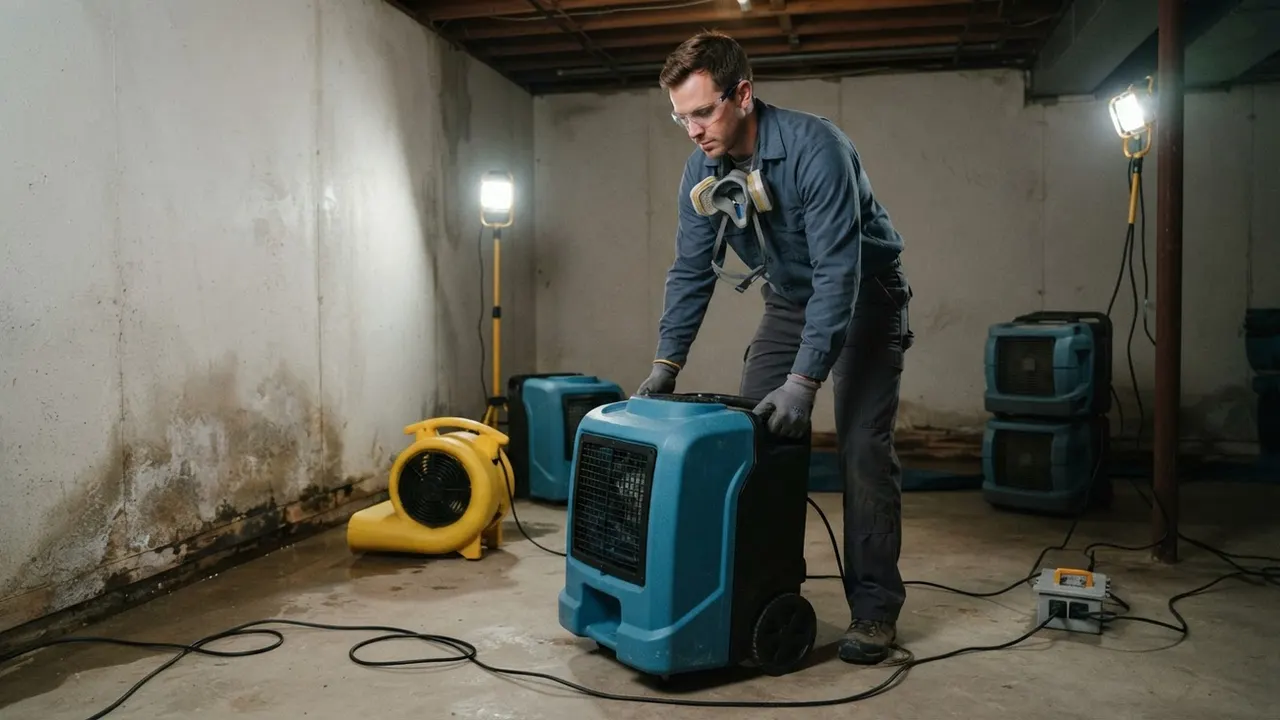
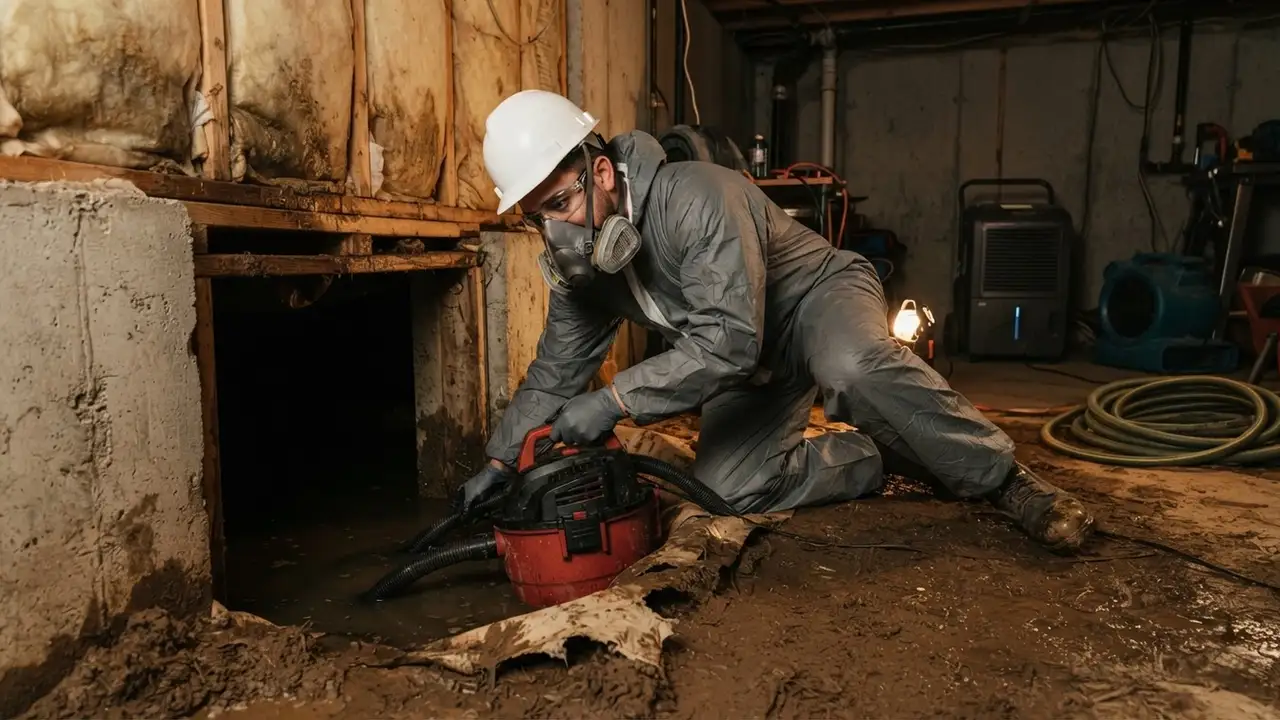
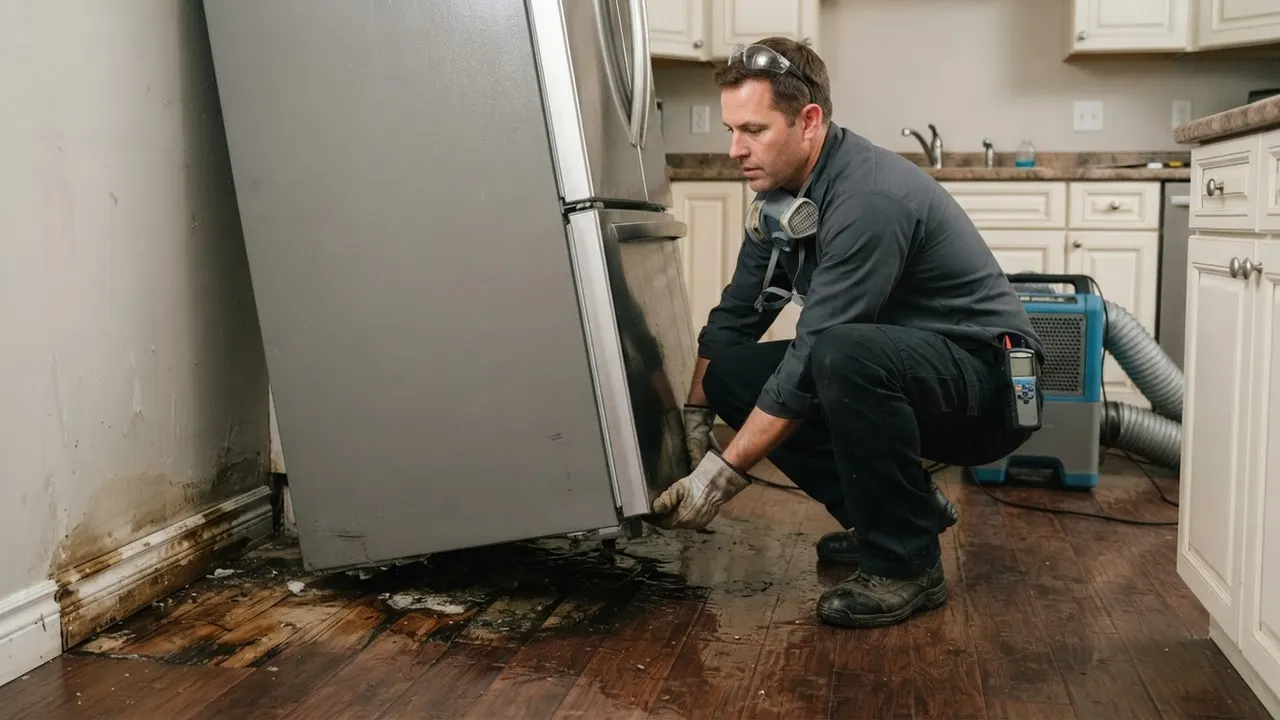
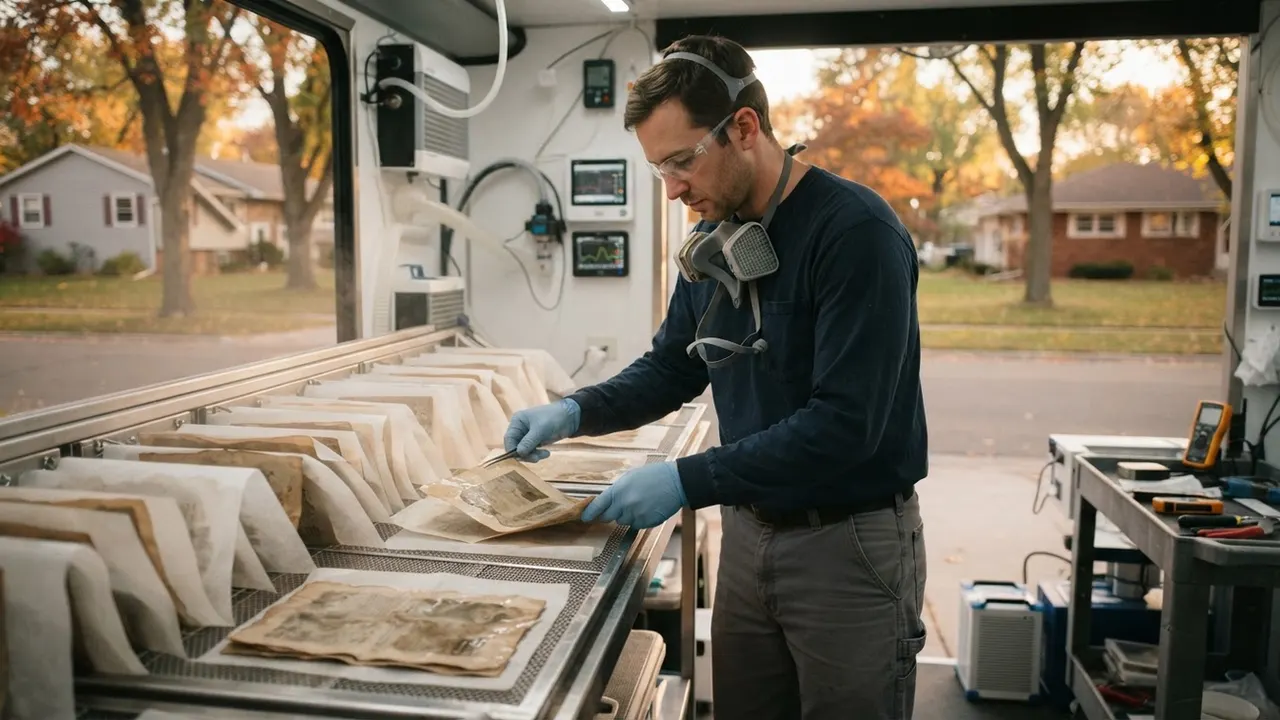
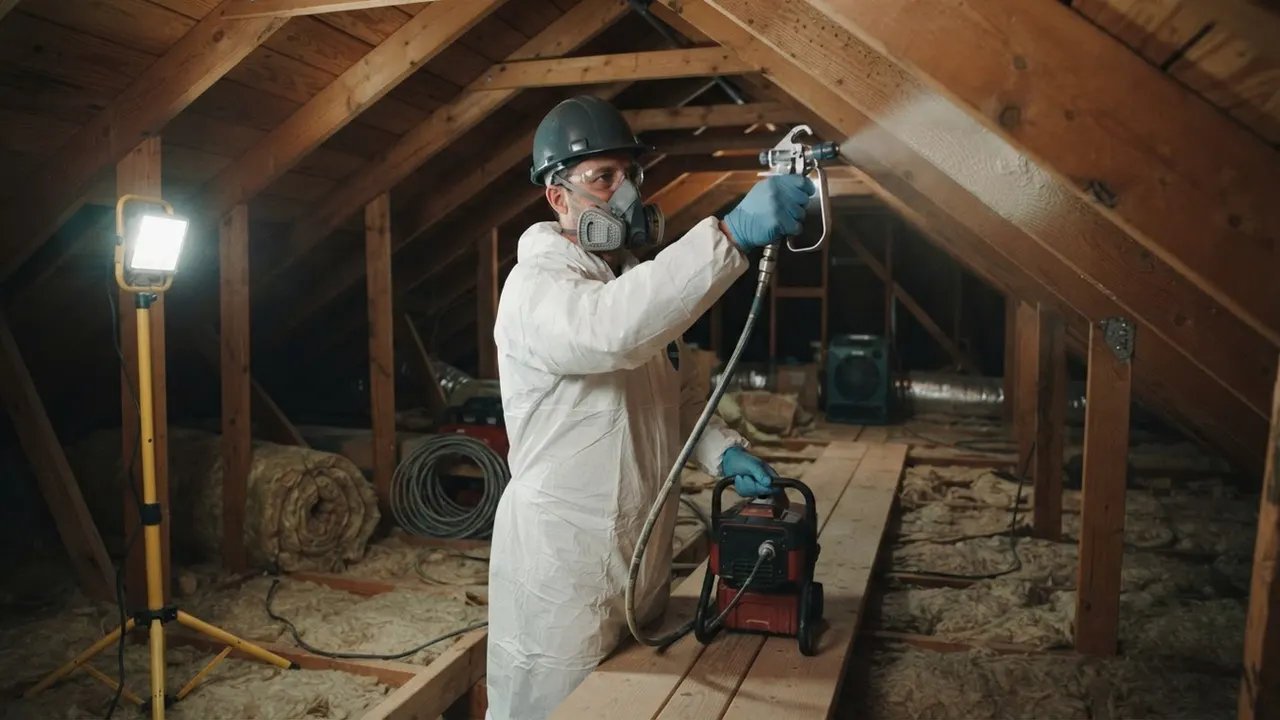
Room walkthroughWe explain the affected areas before setup.
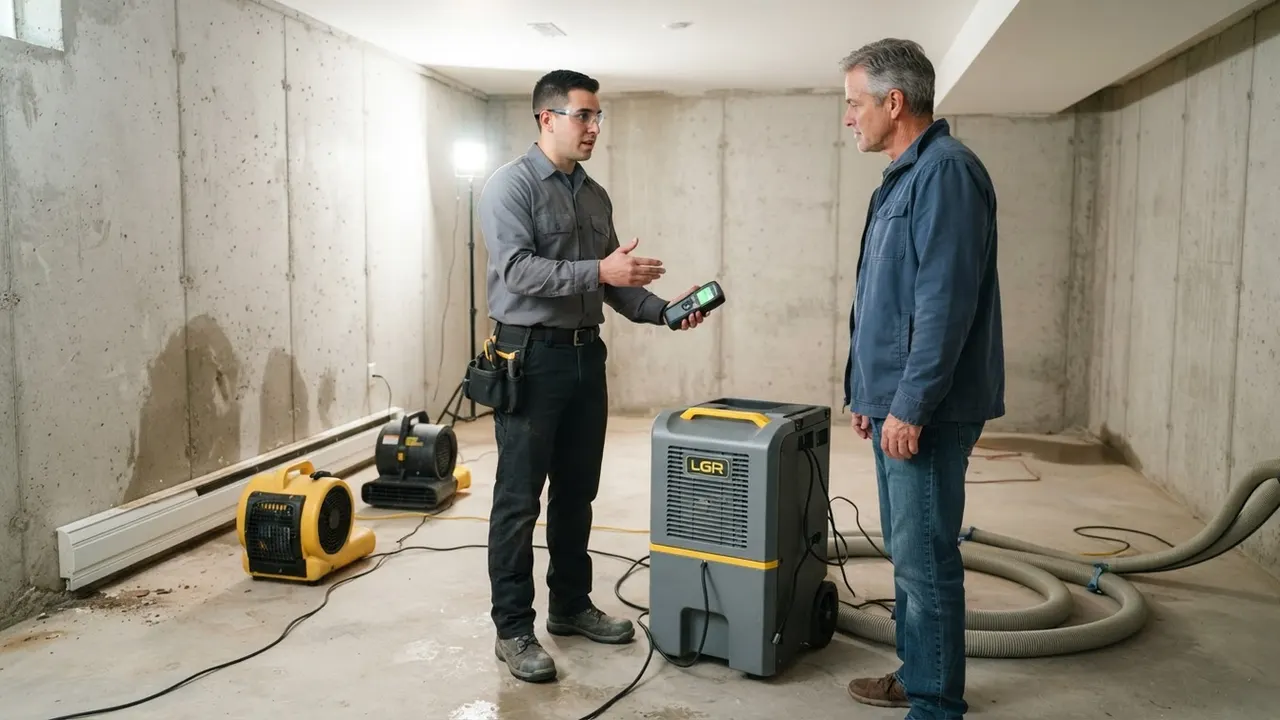
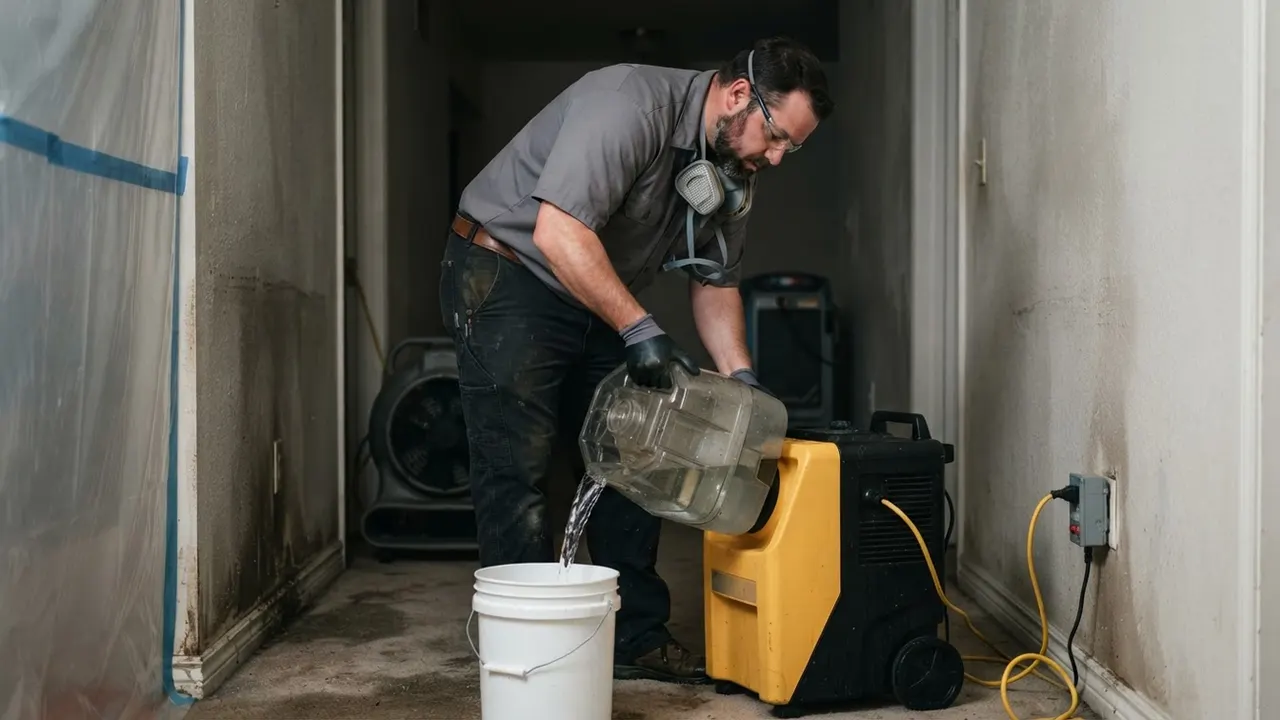
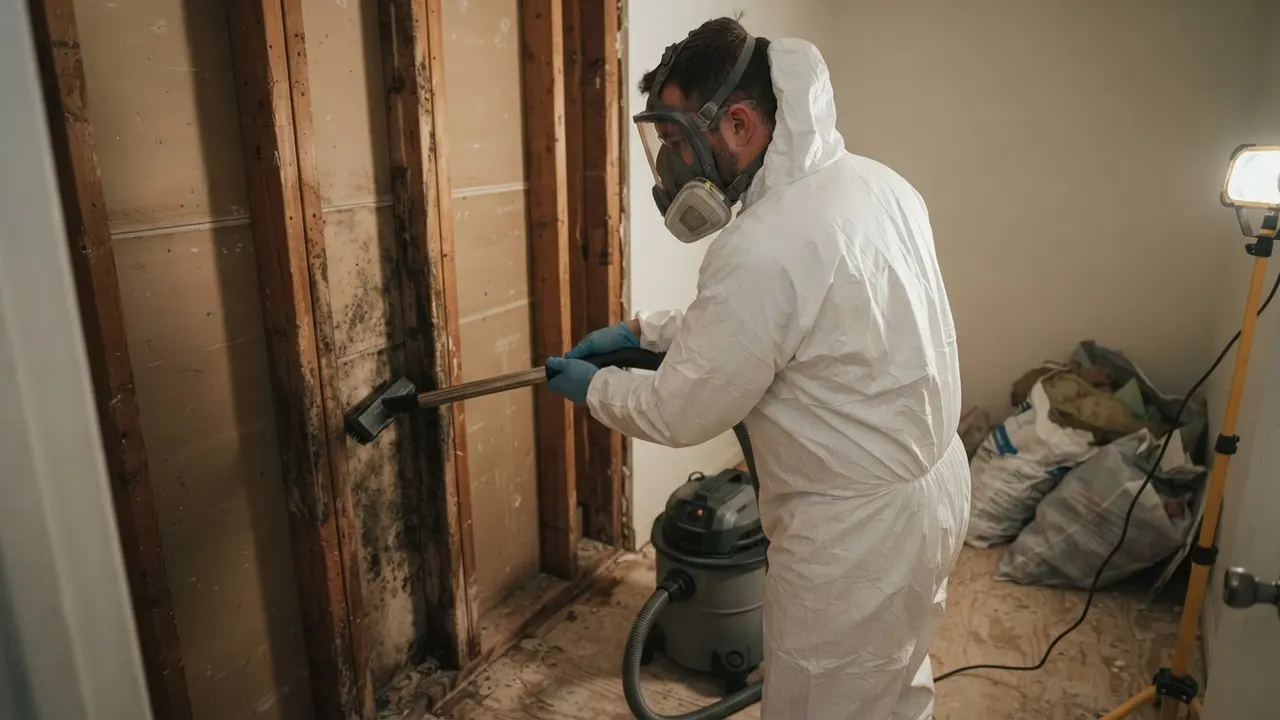
Surface protectionWe cover nearby finishes and clear routes.
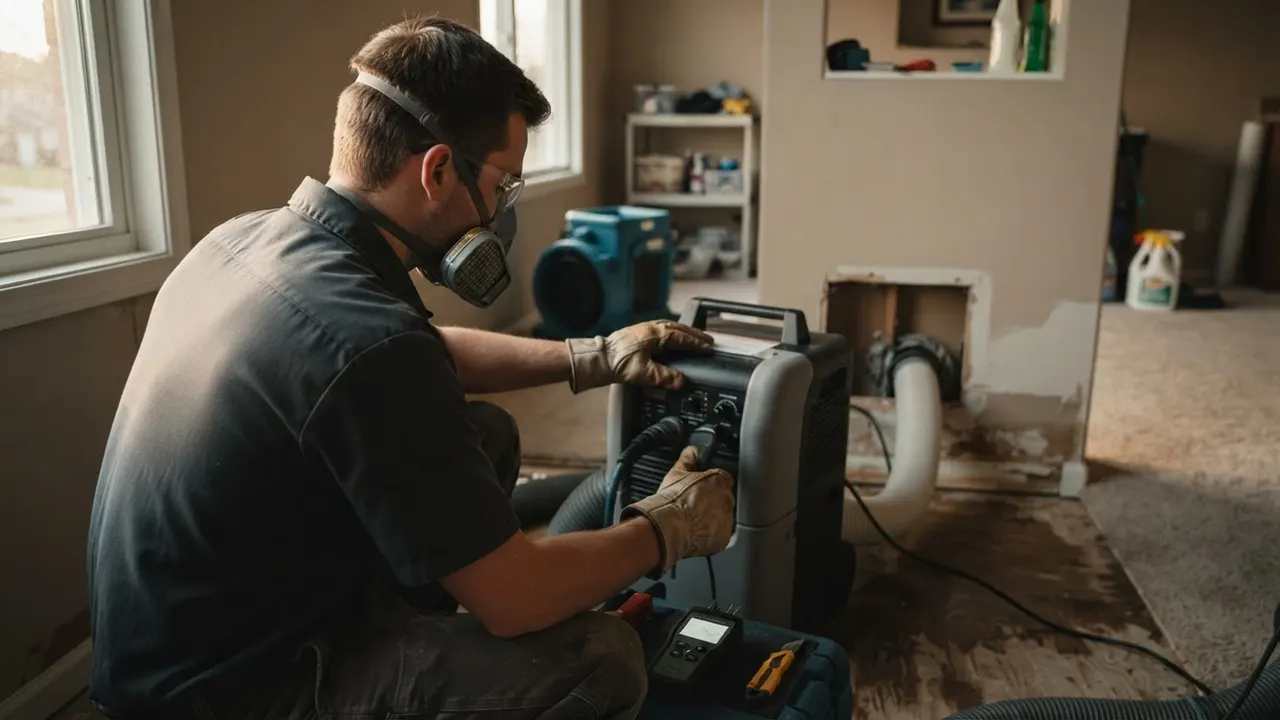
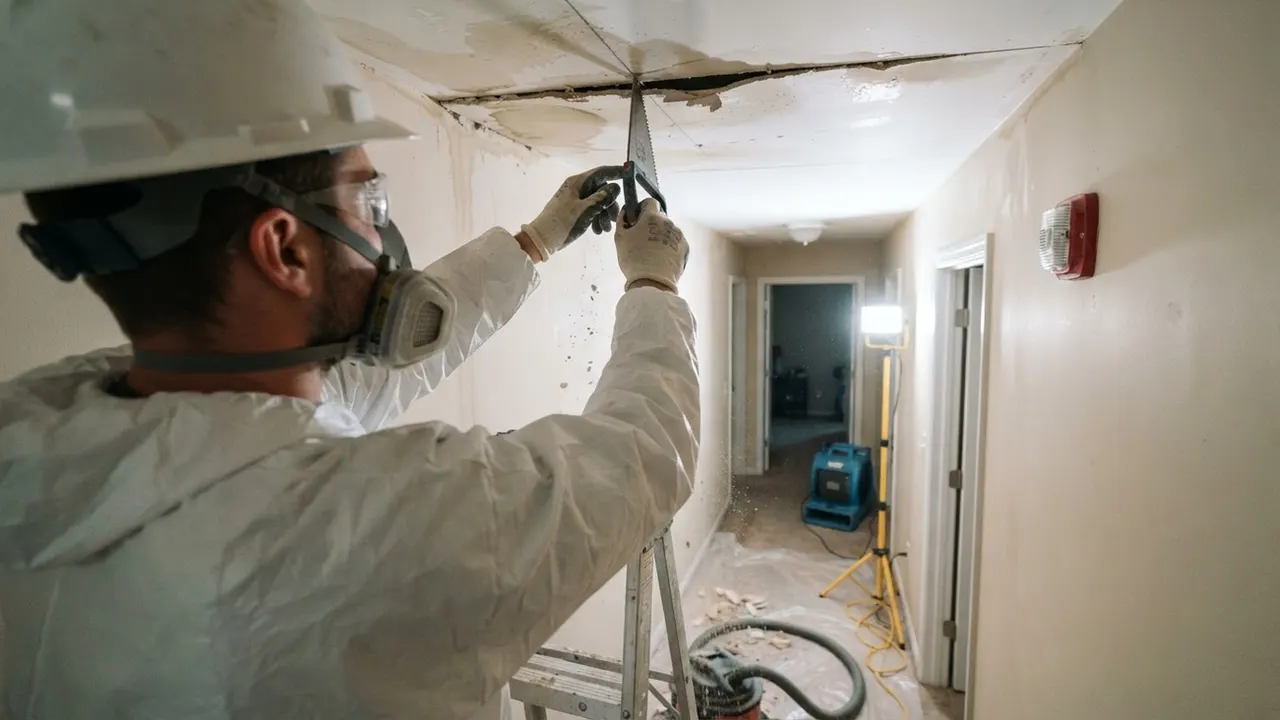
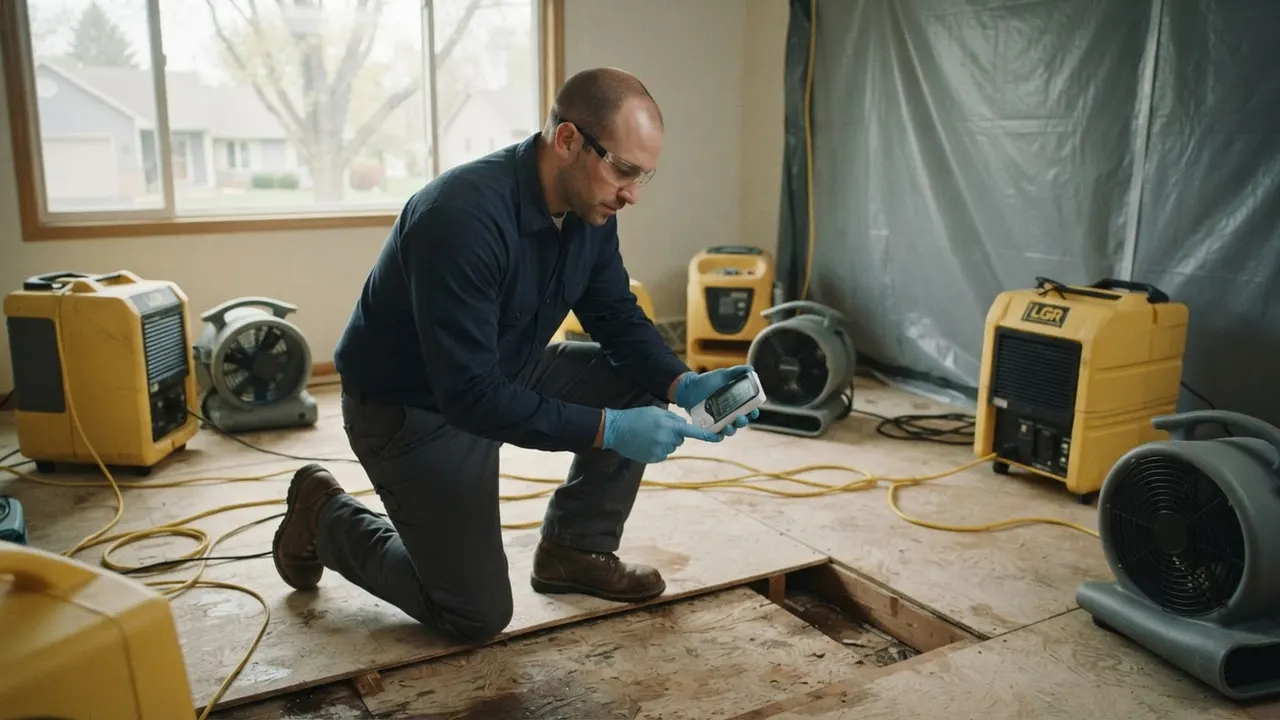
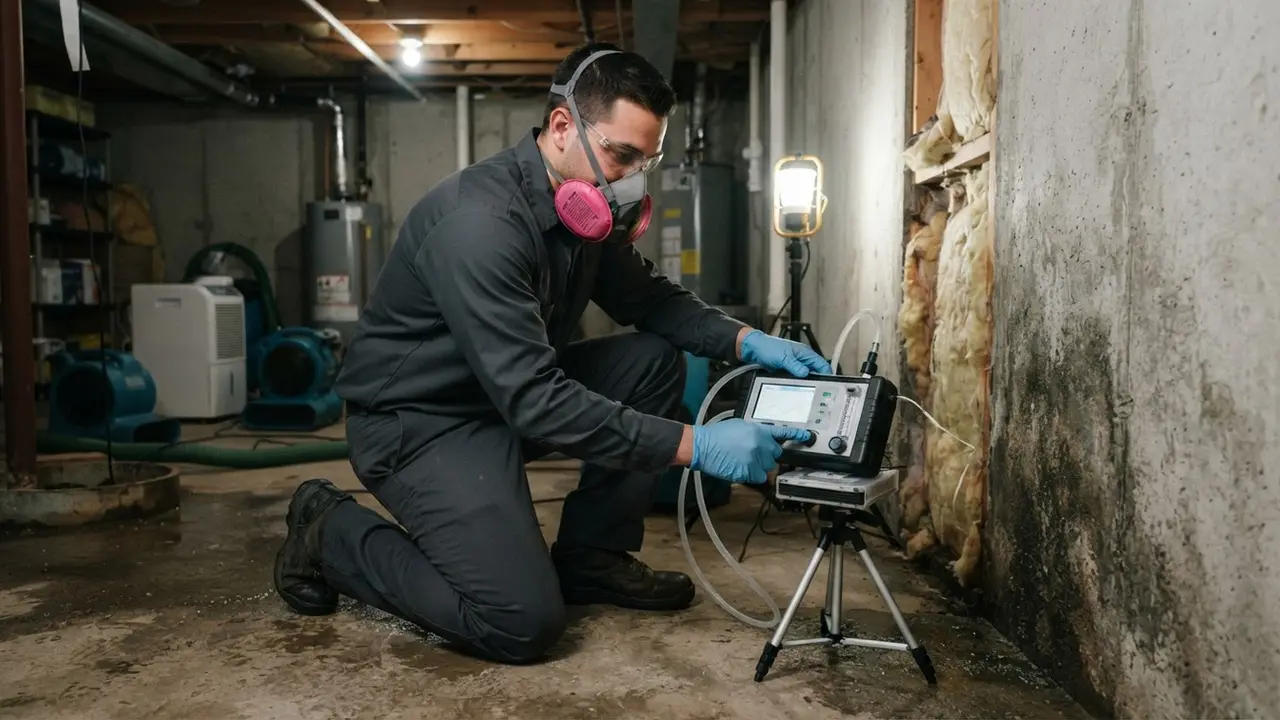
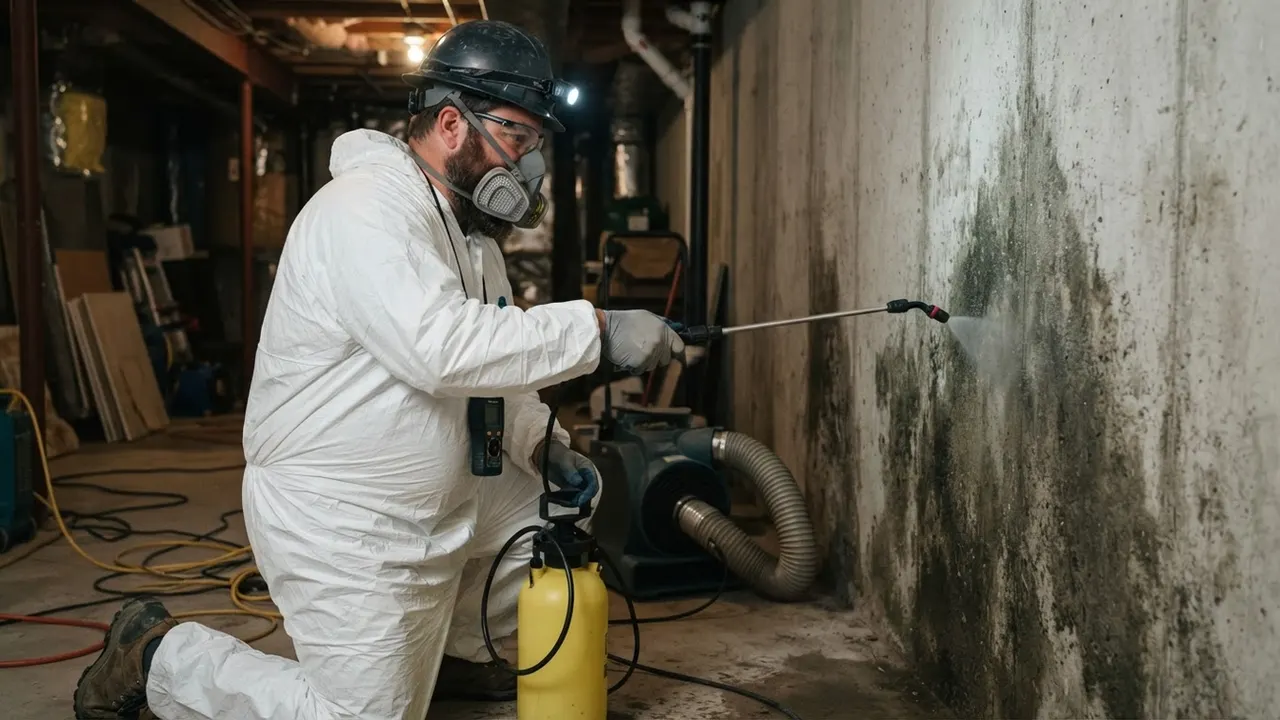
Reading notesWe record relevant checks as work progresses.
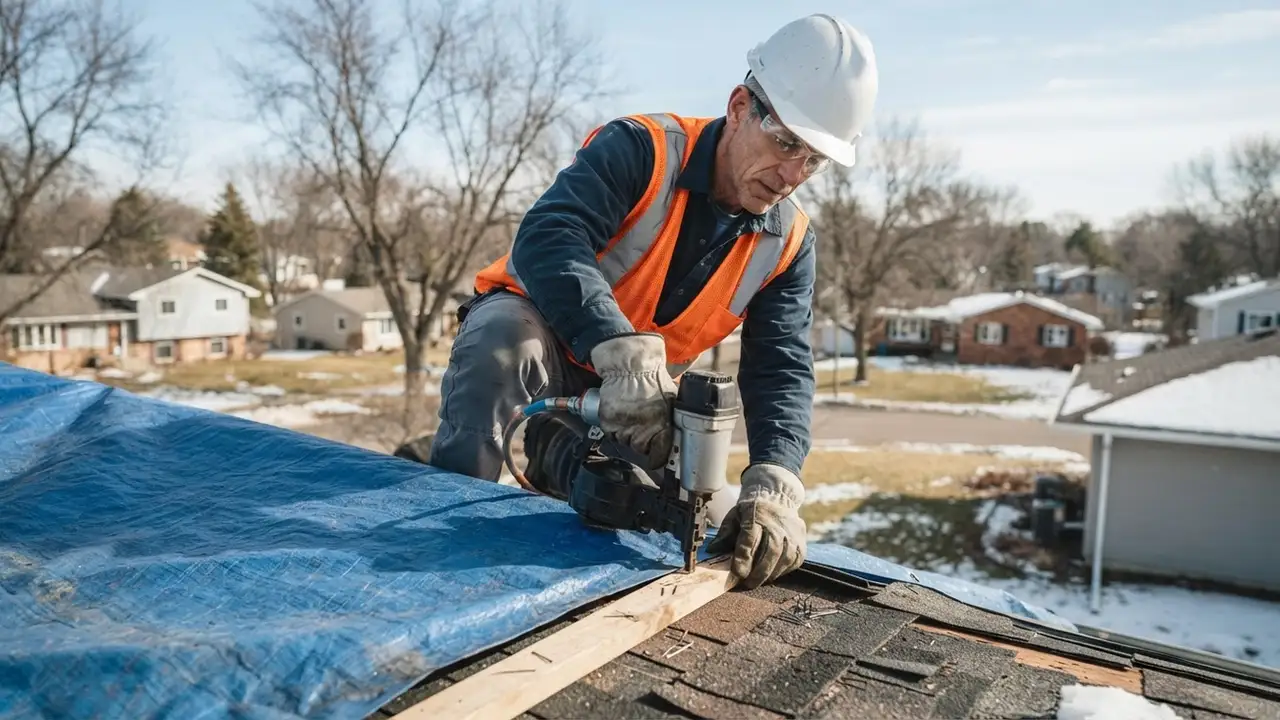
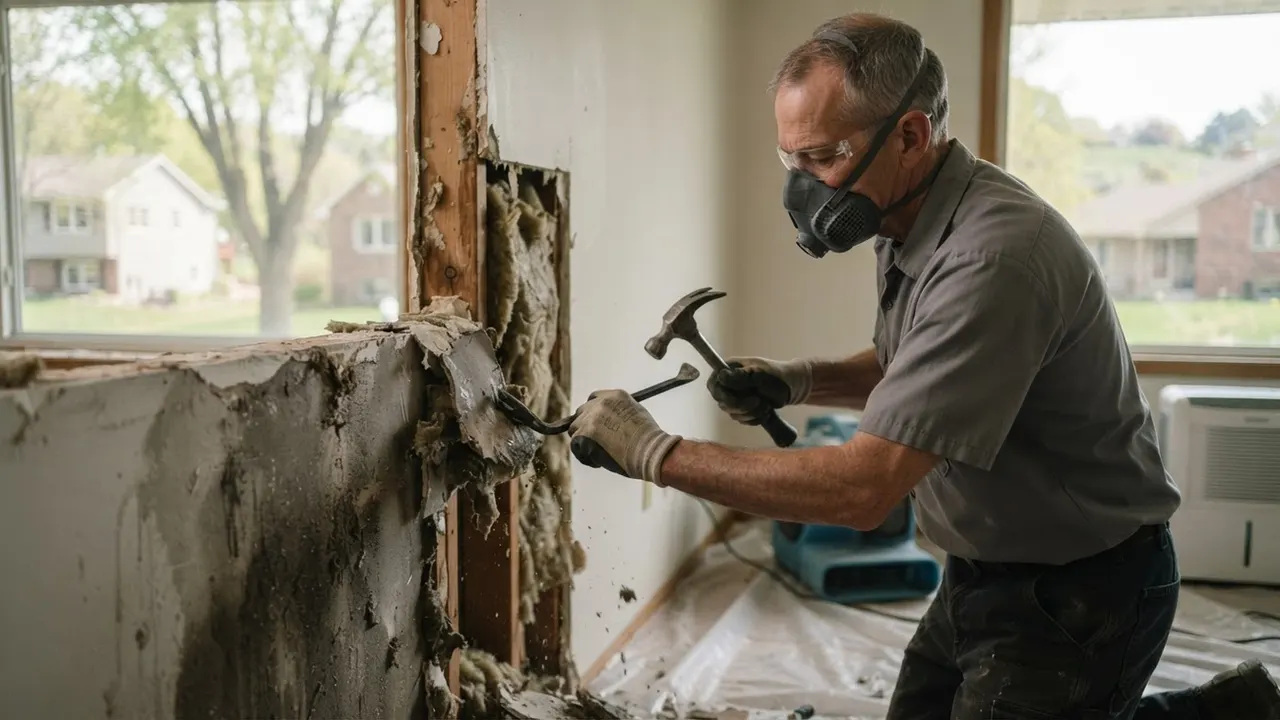
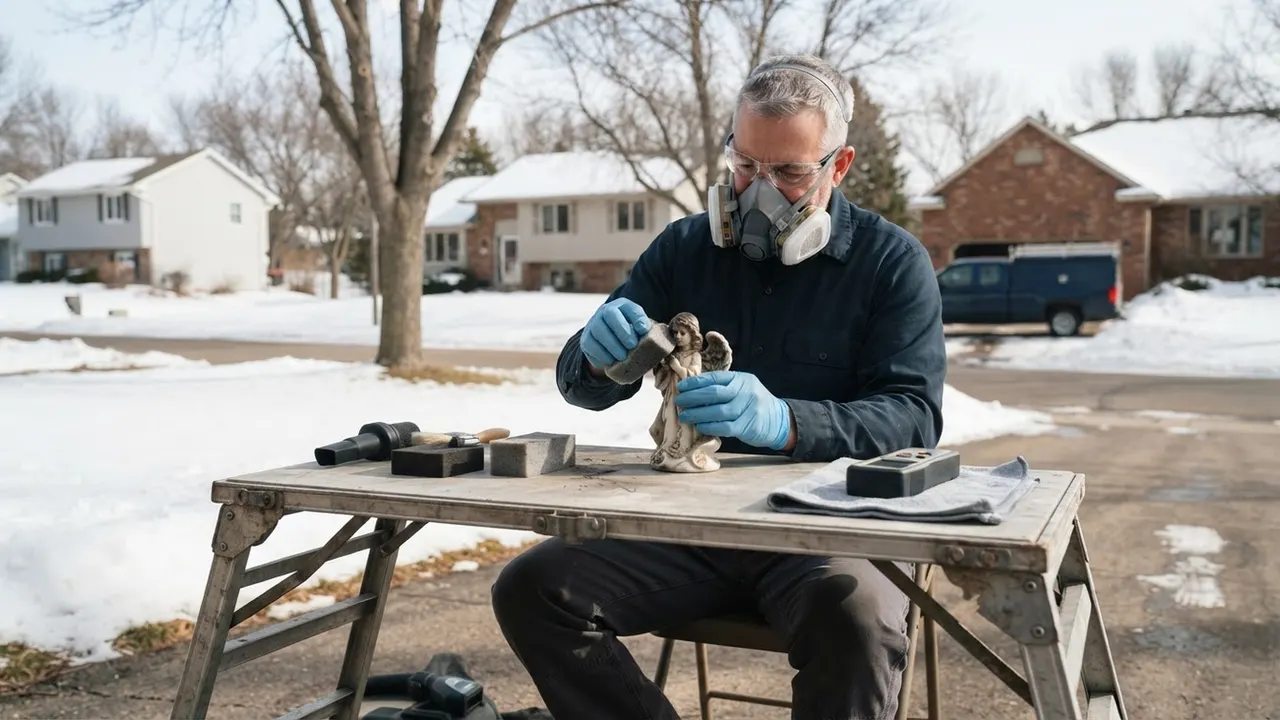
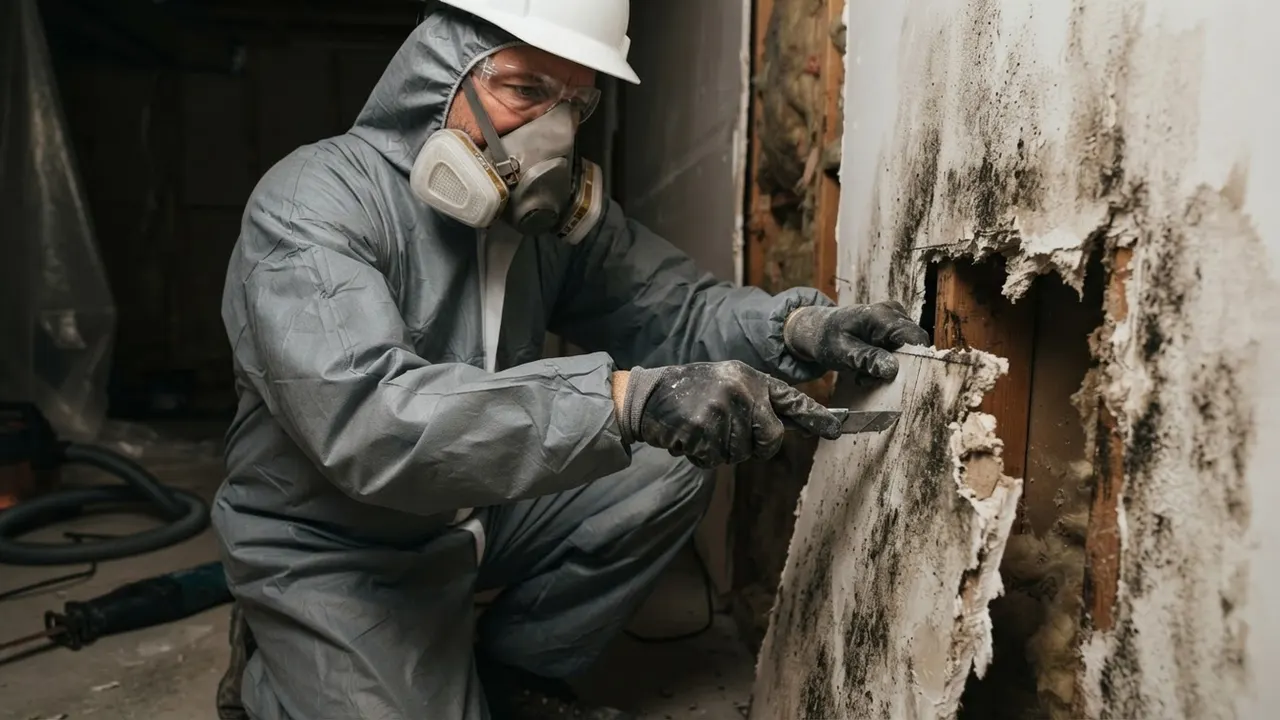
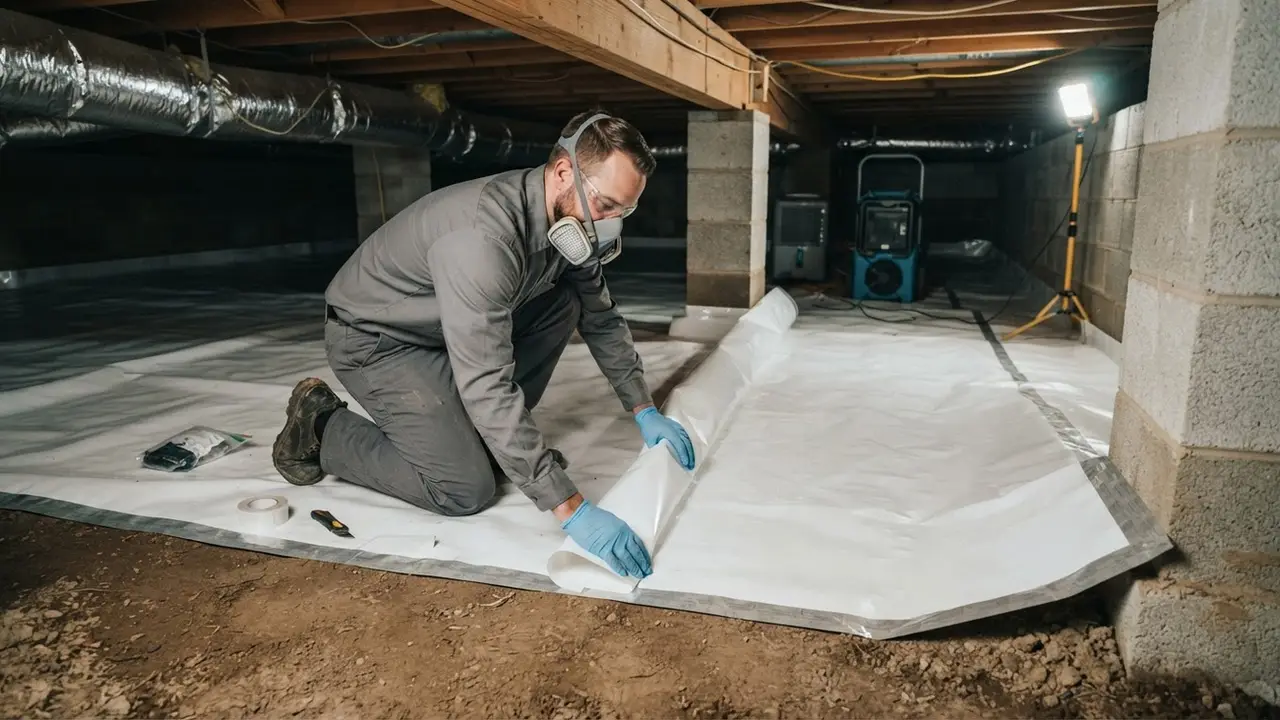
Closeout reviewWe walk through completed work with you.
What Structural Cleaning and Repair Includes
Our service covers inspection of affected building materials, appropriate containment, removal of unsalvageable sections, cleaning of suitable surfaces, controlled drying, and restoration of agreed finishes. The exact work depends on the source and condition of the damage. Major structural alterations, plumbing repairs, roofing repairs, and specialized testing are separate tasks that we identify when they are needed, so the restoration work stays focused on the damage in your Hopkins property.
Damage Mapping
We inspect affected rooms and nearby surfaces, document visible conditions, and take moisture readings where useful. This helps locate wet drywall, flooring edges, insulation, or framing that needs closer attention before cleanup and repair begin.
Work-Area Protection
We protect unaffected areas and set up separation for dusty or contaminated work when conditions call for it. Plastic sheeting and controlled access help keep debris from traveling into clean rooms during material removal.
Material Removal
We remove porous materials that cannot be cleaned or dried effectively, such as damaged drywall or insulation. The removal area follows the observed damage, and we explain why retained materials are suitable for cleaning and drying.
Surface Cleaning
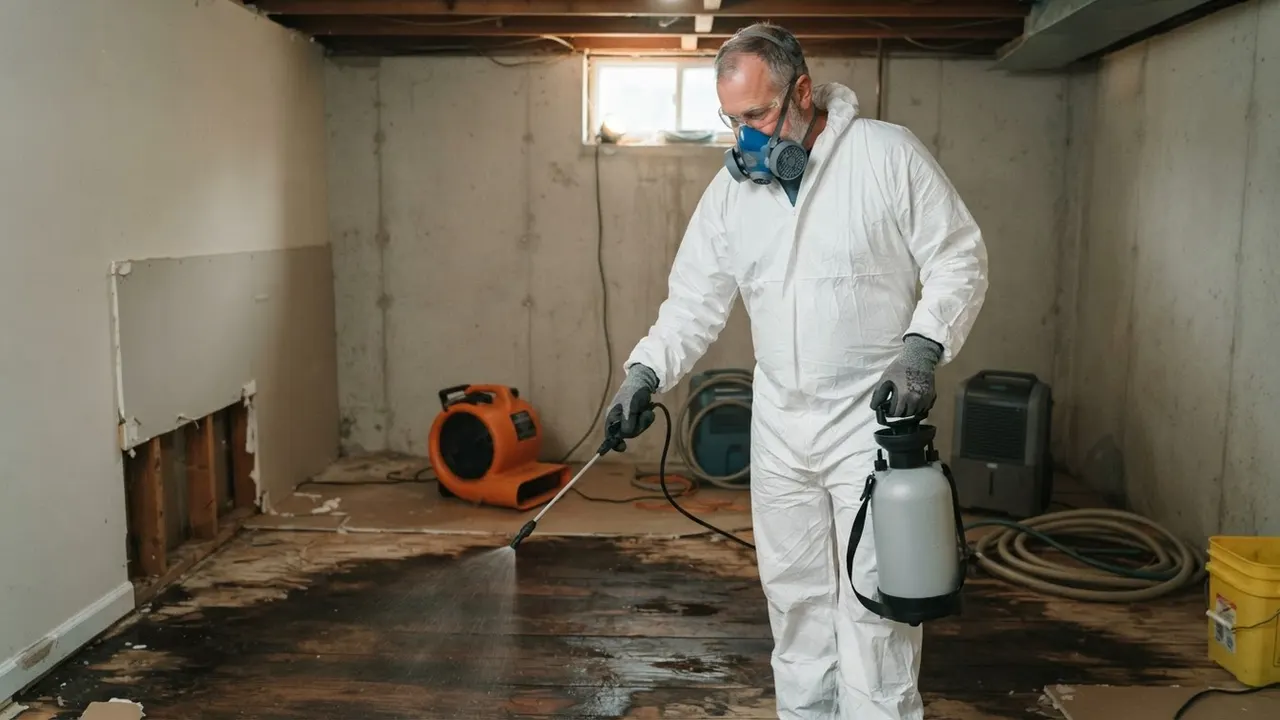
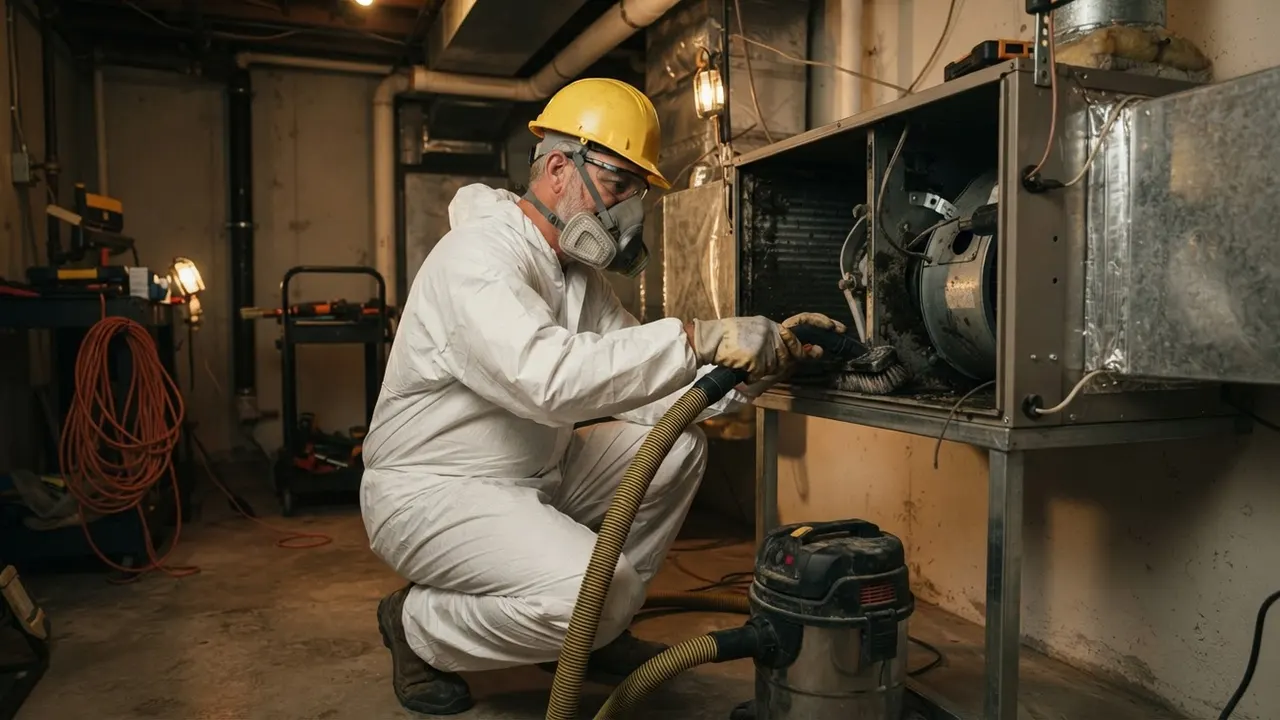
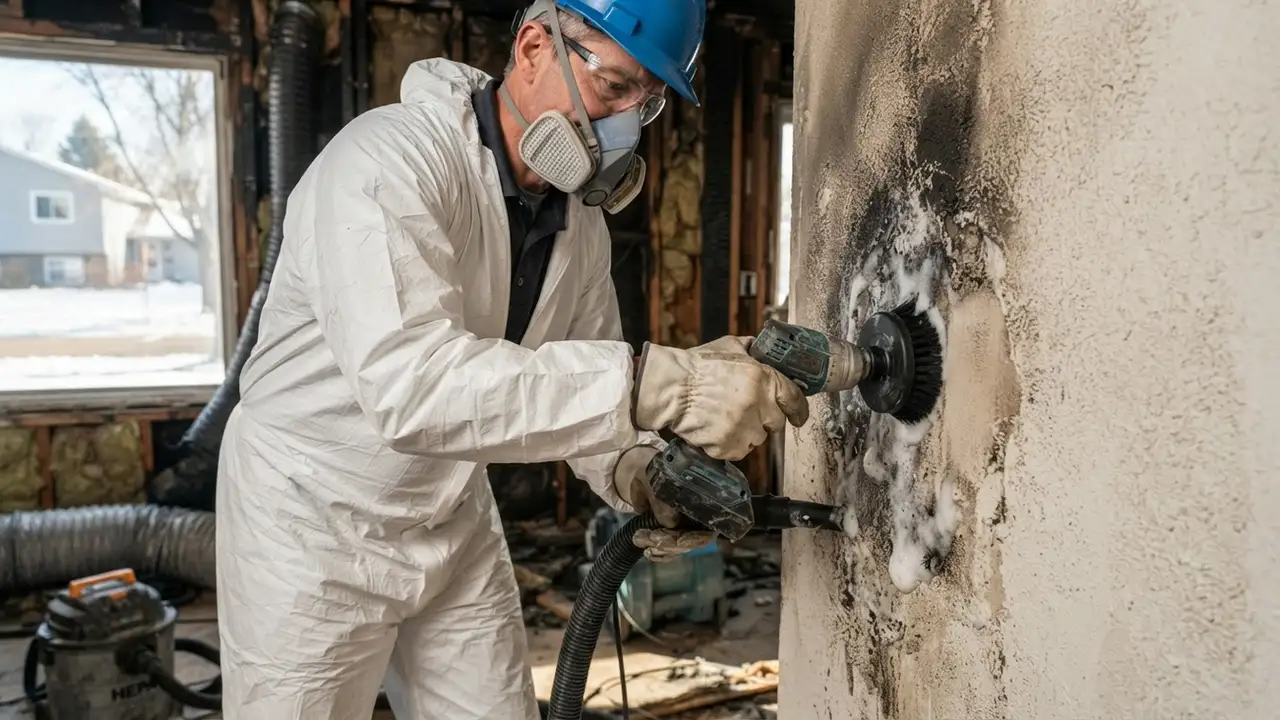
We clean retained building surfaces using methods suited to the material and type of residue. HEPA vacuuming and appropriate cleaning agents may be used for applicable tasks, followed by checks that the work area is ready for drying or repair.
Drying and Repair
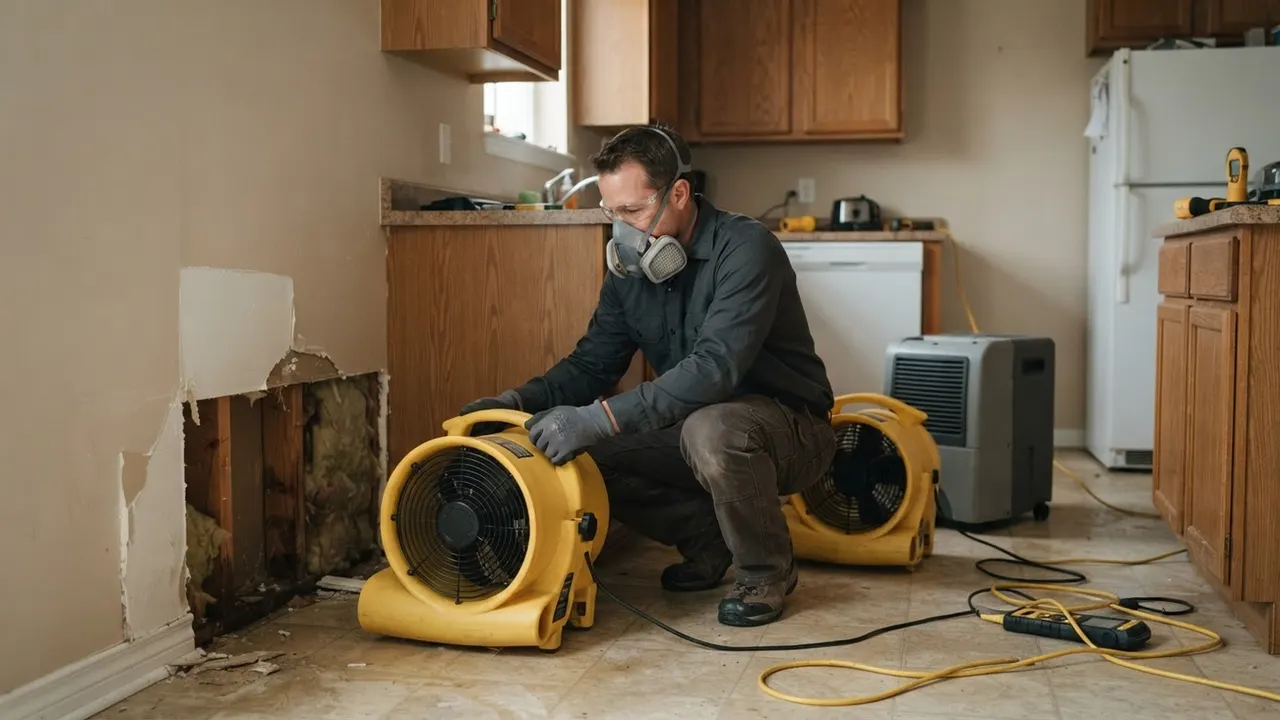
Air movers and dehumidification support drying before affected assemblies are closed. Once materials are ready, we restore the agreed surfaces, which may include drywall, insulation, trim, or finish preparation.
Homes and Businesses.
The approach is the same for a home and a business. What changes is the access, the schedule and who needs the paperwork.
Homes and Rentals
We help homeowners and tenants address wet walls, damaged floors, and contaminated rooms. We protect nearby belongings and explain when each area is ready for repair.
Frozen pipe wetting a wall
Basement flood at floor edges
Appliance leak beneath cabinets
Business Properties
We help owners and property managers restore damaged suites, utility rooms, and shared spaces. We plan containment and access around the affected work area.
Sewage backup in a utility room
Roof leak above a storefront
Water-damaged office drywall
Structural Cleaning and Repair Hopkins MN Explained
A plain-language look at what Structural Cleaning and Repair involves and when it is needed.
Structural cleaning and repair Hopkins MN is a building restoration service that cleans, removes, and repairs structural materials affected by water, sewage, smoke, or microbial contamination. We identify the source and extent of damage, document affected surfaces, remove materials that cannot be safely restored, and clean those that can. Drywall, framing, subfloors, and insulation each need a different decision. We use moisture readings and visual checks to guide the work, then complete appropriate repairs and verify drying before closing walls or replacing finishes.
Hopkins properties face winter frozen pipe bursts, spring snowmelt, roof leaks, appliance leaks, and basement flooding. A wet wall can conceal damp insulation or a slab leak, while sewage backup requires controlled removal and cleaning rather than ordinary drying. Our structural repair Hopkins MN work follows the damage back to its affected materials. If you are searching for structural cleaning and repair in Hopkins MN near me, we inspect the space, explain the sequence, and address the building components that need attention.
Clean, dry building materials before repairing the affected surfaces.
What it is
Cleaning damaged building materials, drying retained assemblies, and repairing affected surfaces.
When needed
After leaks, flooding, sewage incidents, smoke residue, or prolonged moisture damage.
What to expect
Inspection, appropriate removal, cleaning, drying checks, and repair of affected finishes.
What to Expect During Service
Structural cleaning and repair in Hopkins follows a practical sequence: control the source, inspect, remove damaged material, clean and dry, then repair. We explain each step as we work so you know what is happening in your home or building.
Inspect and Document
We walk the affected area with you, identify the likely source, and check nearby rooms for visible or concealed moisture. A thermal imaging camera can help flag temperature patterns for further checking, while a moisture meter provides readings at selected surfaces. The first visit establishes the work area and next steps; larger losses require more mapping.
Inspect
Map damage
Document
Control the Source
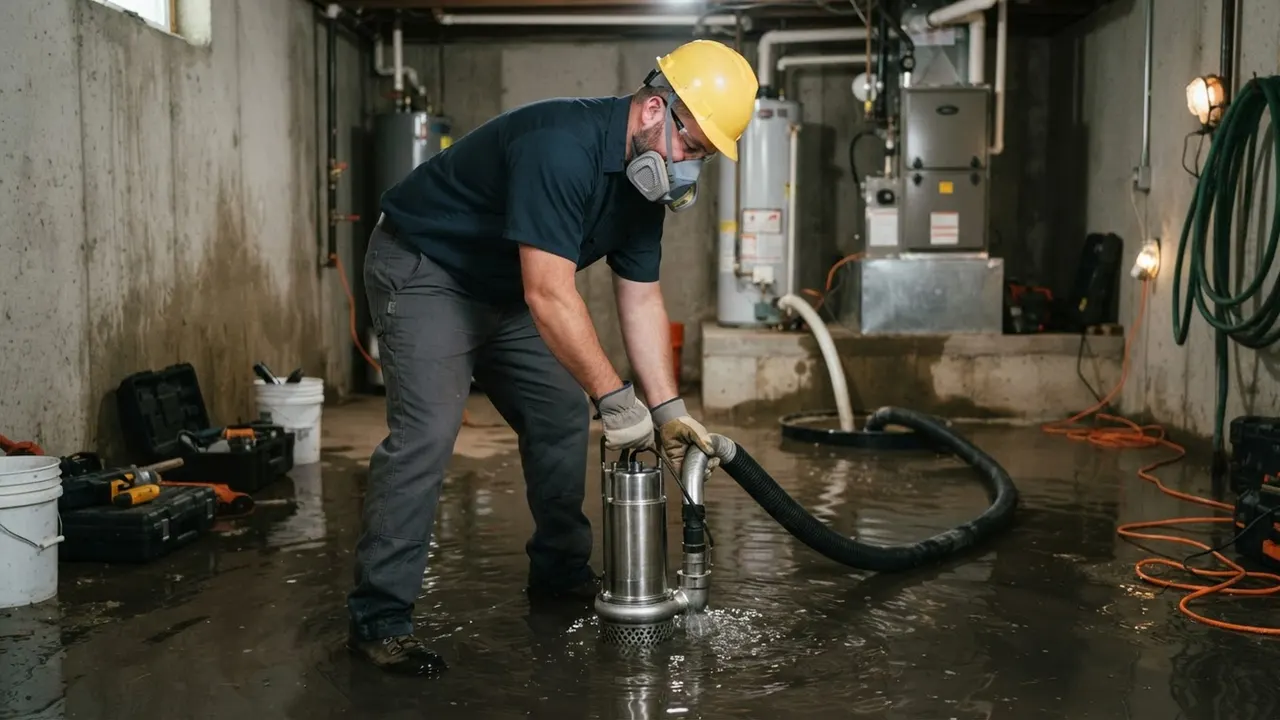
We coordinate the restoration sequence around stopping active water entry, whether the cause is a roof leak, frozen pipe burst, or appliance leak. A wet/dry vacuum or sump pump can remove standing water when appropriate. If a plumber or roofer must address the source, we identify that handoff before damaged materials are closed up.
Control source
Extract water
Coordinate
Remove and Clean
We protect unaffected rooms, establish containment where needed, and remove materials that cannot be cleaned or dried effectively. A HEPA vacuum captures fine particulate during suitable cleanup tasks; antimicrobial spray is used only where the surface and situation call for it. You can expect careful separation of debris from retained building materials.
Protect area
Remove materials
Clean surfaces
Dry and Verify
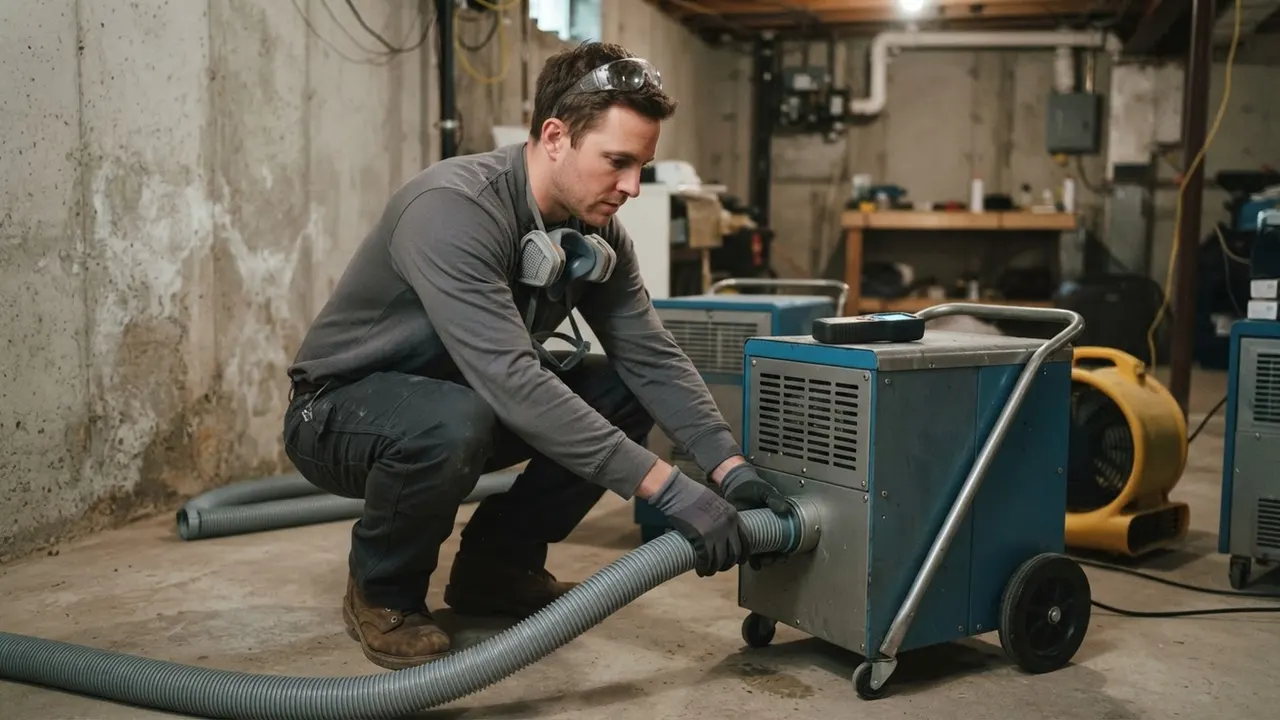
We place air movers and a dehumidifier to support controlled drying, then check affected materials again. Small contained areas can dry in a few days; wet cavities, dense materials, and cold conditions can extend that period. We review readings with you and adjust equipment placement rather than relying on a fixed calendar.
Set equipment
Check readings
Adjust airflow
Repair and Close Out
After affected materials are clean and dry, we complete the agreed repairs, which may include replacing drywall, insulation, or trim and preparing surfaces for finishing. If framing movement or structural alteration is found, we direct that work to the appropriate qualified professional. We walk the area with you and explain care and follow-up.
Repair surfaces
Review work
Explain care
Equipment and Work Methods
Move across a circle, or focus it and press Enter, for an illustrative thermal view of the photograph.
Thermal Imaging Camera
We use thermal patterns to flag areas for closer inspection; readings help guide, but do not replace, moisture checks.
Moisture Meter
We check selected materials and repeat readings during drying to guide equipment placement and repair timing.
Air Mover and Dehumidifier
Air movement and moisture removal support drying of affected surfaces and assemblies before repairs close the space.
HEPA Vacuum
We use HEPA filtration for applicable dust and particulate cleanup during selected removal and cleaning tasks.
Negative Air Machine
Where appropriate, negative air helps manage airflow in a contained work area during removal or remediation.
Thermal views are illustrative, generated from the photographs.
Methods
Source-first restoration
We identify the water or contamination source before closing the affected assembly. A plumber, roofer, or other trade may need to correct the source; restoration then addresses the resulting building damage. This order reduces the risk of new materials being exposed to a continuing leak.
Controlled material removal
We define the affected work area, protect nearby surfaces, and remove materials that cannot be cleaned or dried effectively. The removal boundary follows observed damage and inspection findings. Suitable retained surfaces are cleaned, rather than removing material without a reason.
Measured structural drying
We use airflow and dehumidification to dry materials, then repeat moisture checks to track progress. Equipment placement changes with room layout and material conditions. The goal is to verify drying before installing replacement drywall, insulation, or finishes.
Clean-to-repair sequence
We complete cleaning and debris removal before rebuilding affected surfaces. This keeps residue from being sealed behind new materials and gives the team a chance to inspect the exposed assembly. Repairs proceed after the area is ready and any separate trade work is complete.
When to Call for Structural Repair
Pipe Burst
A frozen pipe bursts overnight in a Hopkins home and water reaches two rooms.
We assess the wet rooms and adjoining wall cavities, extract standing water, and identify materials that need removal. Air movers and dehumidification support drying, with repeat checks before repairs. We also explain whether a plumber must complete source repairs before the wall is closed.
Outcome: You get a controlled cleanup and a repair sequence based on affected materials, rather than a patch over a wet assembly.
Spring Seepage
Spring snowmelt reaches a lower-level storage room near Downtown Hopkins.
We remove water and inspect floor edges, lower drywall, and stored-material contact areas. The team separates salvageable surfaces from materials that cannot be dried, then cleans and dries the affected structure. Waterproofing concerns are identified as a separate step where needed.
Outcome: The room is cleared of damaged materials and prepared for repairs, with the water entry concern identified for follow-up.
Roof Leak
A roof leak stains a ceiling near Blake Road after a winter storm.
We inspect the ceiling and nearby insulation, map the interior damage, and remove wet materials that cannot be retained. After the roof opening is addressed, we dry the affected assembly and restore the ceiling. We coordinate the sequence so new finishes do not cover unresolved moisture.
Outcome: The damaged ceiling is restored after drying, and you have a clearer distinction between interior work and roof repair.
Sewage Backup
A commercial suite near Mainstreet has a sewage backup in its utility area.
We establish a controlled work area, remove affected porous materials, and clean appropriate surfaces. Our team plans access and debris movement around the occupied property, then dries the structure and repairs the affected finishes. We explain what spaces are involved and when they can return to use.
Outcome: The affected area receives focused cleanup and repair, helping property managers plan operations and tenant access.
Downtown HopkinsBlake RoadShady Oak
How Structural Repair Works in Hopkins
Structural repair Hopkins MN work must account for winter freeze-thaw cycles, spring melt, and the mix of older homes, multi-unit buildings, and commercial properties across Hopkins. A pipe burst during a cold snap can wet more than one floor, while thaw-season seepage often appears first at basement edges.
We check the path water took, including wall cavities and flooring transitions, rather than limiting work to the first stain. In older buildings, layered finishes and previous repairs can affect access and drying, so we document what is exposed before replacing materials.
Hopkins Minnesota structural cleaning services also need practical planning for occupied homes and storefronts: protect clear routes, isolate dusty work, and coordinate equipment placement. We serve Hennepin County, including 55343 and 55305. We follow applicable work and safety requirements for the task, and never treat a cosmetic patch as a substitute for drying.
Downtown Hopkins: For mixed-use buildings near Mainstreet, we plan work access around occupied storefronts and shared corridors while isolating the affected room.
Blake Road: Homes and multi-unit properties in the Blake Road area may need careful inspection of adjoining rooms after a pipe leak or appliance overflow.
Shady Oak: Lower-level water concerns call for checks at wall bases, floor transitions, and stored-material contact points before repairs begin.
Interlachen: We tailor equipment placement to each property's room layout and protect unaffected finishes during removal, drying, and repair.
Freezing winter temperatures increase the risk of pipe bursts: A burst line can release water inside a wall or ceiling before it becomes visible. We inspect adjacent surfaces and lower levels, then coordinate drying and repairs after the source is controlled.
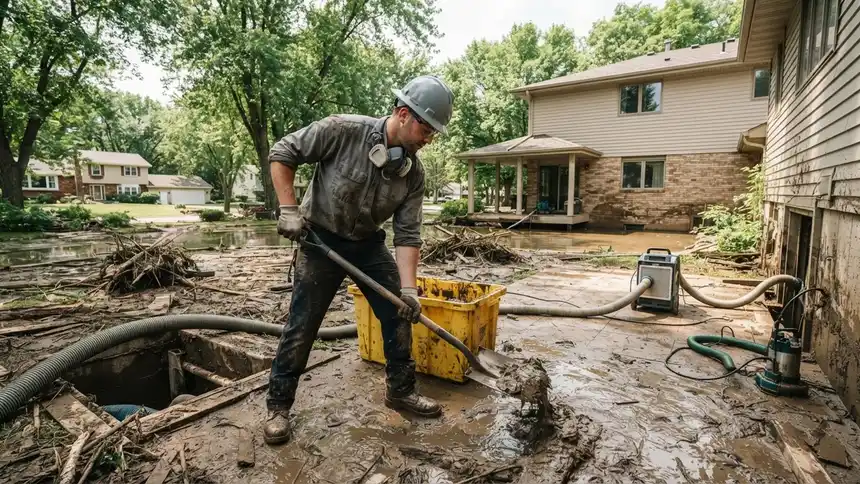
Spring melt can bring water into lower-level rooms: Water at basement edges can affect flooring, drywall, and stored items. We map the visible damage and check nearby materials, while identifying whether a separate waterproofing step is needed.
We inspect affected rooms and explain what needs attention.
We protect nearby surfaces and set up the work area.
We review drying checks and discuss the next repair steps.
From Problem to Finished Result.
IllustrativeThe thermal view is generated from the photograph. It is not a measurement. Drag the handle, or use the arrow keys once it is focused.
Basement Wall After a Pipe Leak
Before: A frozen pipe soaked the lower section of a basement wall and left a brown stain along the baseboard. The visible area measured about 6 feet, but the insulation behind the drywall was also wet. The family could not tell whether the smell came from the floor, wall cavity, or both.
After: We removed the affected drywall and insulation, dried the exposed area, and checked the remaining surfaces over several days. Once dry, we replaced the damaged section and restored the wall finish. The repaired area covered approximately 6 linear feet, with the moisture path and work documented for the homeowner.
Keep stored boxes several inches away from basement walls and check the area after heavy thaw or a plumbing repair. If a new stain or musty odor appears, address the water source promptly.
Utility Room After Sewage Backup
Before: A backup affected a small Hopkins utility room, including the floor edge and lower drywall. A quick surface wipe removed visible liquid but left contaminated porous material in place. The property manager needed the room cleaned and repaired without spreading debris into the shared corridor.
After: We isolated the room, removed affected porous materials, cleaned suitable surfaces, and dried the exposed assembly before repairs. The affected area was approximately 80 square feet. The utility room returned to service after the restoration sequence, and the manager received a record of the cleanup and repaired surfaces.
Keep the floor drain accessible and avoid storing absorbent materials directly against utility-room walls. After a backup, stop use of the area and arrange appropriate cleanup before reinstalling finishes.
Ceiling After a Roof Leak
Before: A roof leak left a 4-by-5-foot ceiling stain near Blake Road, with wet insulation above the visible mark. The household had placed a bucket beneath the drip, but the ceiling remained soft and the extent of the affected cavity was unclear.
After: After the roof opening was addressed, we removed the damaged ceiling section and wet insulation, dried the cavity, and repaired the affected area. Follow-up checks confirmed the exposed materials were ready for closure. The room received a smooth replacement ceiling section, prepared for final painting.
Check attic and ceiling areas after significant storms and watch for fresh discoloration or soft spots. Keep gutters and roof drainage clear through seasonal maintenance, and address active leaks before interior finishes are repaired.
Problems Structural Repair Can Resolve
Structural cleaning and repair in Hopkins addresses damage that remains after the leak, flood, sewage event, or fire is controlled. We focus on the materials and conditions affecting your property, then repair suitable areas so you are not left with hidden dampness, residue, or damaged finishes.
Wet wall cavityWet drywall conceals damp insulation after a pipe leakTrapped moisture can keep the wall assembly wet and damage adjacent finishes. Closing it too soon can leave an unresolved problem behind a clean-looking surface. We inspect the wall and neighboring materials, remove sections that cannot be dried effectively, and dry the retained assembly. After follow-up checks, we replace the affected drywall and insulation as appropriate. You receive an explanation of the work area and the repair sequence.
Flooded basementBasement flooding leaves residue beneath flooring edgesWater can move beneath floor coverings and into lower wall sections, leaving wet materials and debris out of view. Odor and deterioration can continue after standing water is gone. We extract remaining water, inspect floor and wall edges, and remove materials that are too damaged to retain. We clean suitable surfaces and dry the structure before repairing the affected finishes. For a Hopkins basement, we also consider access and the route used to remove debris.
Sewage residueSewage backup contaminates porous building materialsPorous materials exposed to sewage should not be treated like ordinary clean water damage. Leaving them in place can preserve contamination and complicate safe use of the room. We isolate the affected work area, remove contaminated materials that cannot be restored, and clean appropriate remaining surfaces. After drying and a closeout review, we repair the opened section. We explain which areas were affected so you can plan room access.
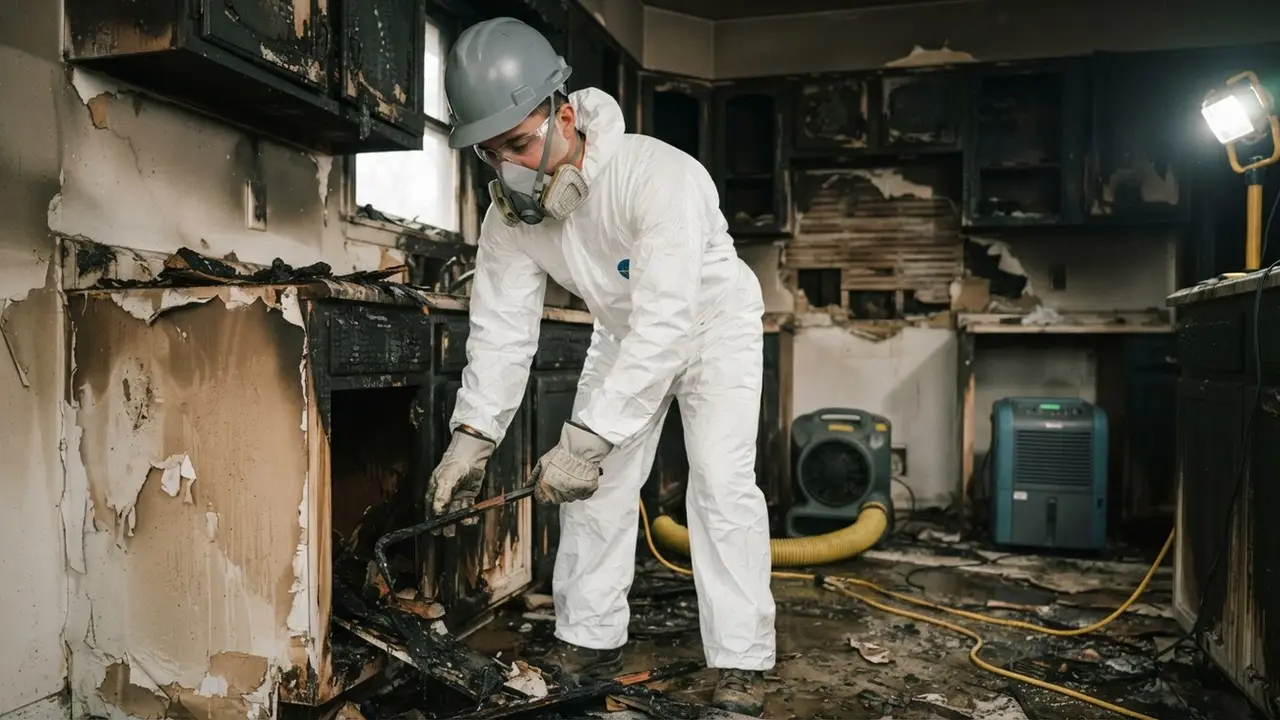
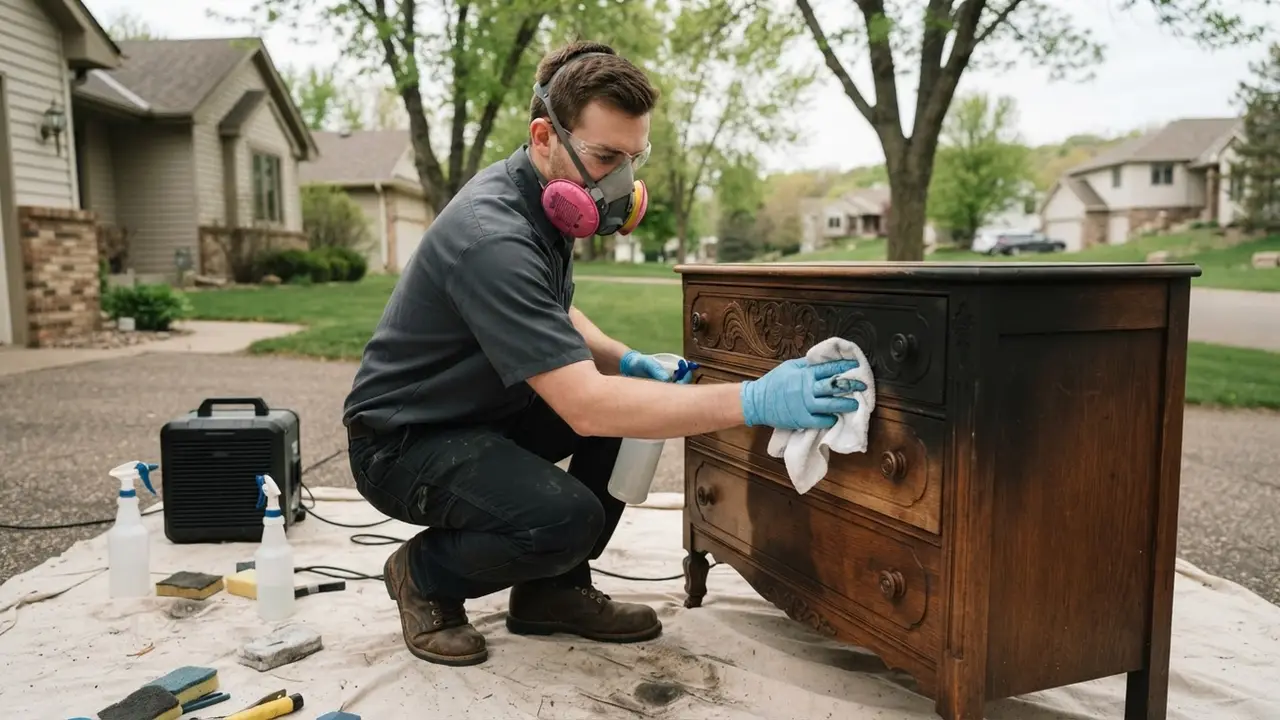
Smoke depositsSmoke residue remains on walls after a small fireSoot and smoke residue may spread beyond the visibly burned area and cling to porous surfaces. Painting over residue can leave staining or odor beneath new finishes. We assess the affected surfaces, identify materials that need cleaning or removal, and use suitable methods for retained building components. If drywall or insulation must be replaced, we complete repairs after cleanup. This sequence helps avoid covering residue with a new finish.
A Sounder, Cleaner Building
Clean and dry affected materials before restoring the surfaces you use every day.
Stop Damage Spreading
We trace moisture into adjacent rooms and check wall cavities, flooring edges, and framing instead of treating only the visible stain. A moisture meter and thermal imaging camera help locate areas that need closer inspection. That targeted approach helps prevent a small pipe leak from turning into a broader structural repair Hopkins MN project.
Remove Contaminated Materials
Sewage, smoke residue, and prolonged moisture can make porous materials unsuitable for reuse. We isolate the work area with plastic sheeting, remove affected drywall or insulation where necessary, and clean retained surfaces using methods suited to the contamination. You see which materials were removed and why.
Dry Before Rebuilding
Replacing wet materials too early traps moisture behind new finishes. We position air movers and a dehumidifier to move and remove moisture, then record follow-up readings. Drying time varies with material and conditions; the important result is a documented dry-down before closing the assembly.
Plan Repairs by Scope
We separate restoration work from structural alterations that require a qualified building professional. Your repair plan identifies affected components, cleaning steps, and finish restoration. For commercial structural cleaning and repair Hopkins MN, we also plan work zones to reduce disruption to occupied areas.
What You Receive
Clear records you can keep and share.
Photo Record
Images of affected areas and completed work.
Moisture Log
Relevant readings recorded during inspection and drying.
Work Summary
Description of removal, cleaning, drying, and repairs.
Care Notes
Practical follow-up points for the restored area.
Cleaning Before Rebuilding Matters
A new finish cannot solve moisture or contamination trapped behind it; restoration addresses the affected assembly first.
Clean Water
Water from a supply line or appliance may affect building materials.
Find and stop the source
Check adjacent surfaces
Dry before closing
Contaminated Water
Sewage or unsanitary water calls for controlled removal and cleaning.
Separate the work area
Remove affected porous materials
Clean retained surfaces
Smoke Residue
Soot and smoke can affect surfaces beyond the fire area.
Assess residue by surface
Clean or remove materials
Repair after cleanup
Common Materials
Drywall
Insulation
Framing
Subfloor
Trim
Flooring
Plastic sheeting
Sealant
Service ZIP Codes.
A list like this tells people straight away whether you cover their street. Not listed? Call and ask: it only takes a minute.
A pipe leak left a damp strip along the basement wall, and we were worried the problem extended behind the drywall. The crew checked the adjoining area, removed the wet section, and explained the drying readings before repairing it. They kept the work zone contained and left the room ready for finishing. The clear sequence made a stressful repair easier to follow.
After a small sewage backup affected a utility room, we needed more than a quick mop-up. The team separated the area, removed affected porous material, and described what could be cleaned and what needed replacement. They coordinated the drying and repair so we could plan access for tenants. The documentation helped us understand exactly what had been addressed.
A roof leak stained the ceiling and left insulation wet above it. The crew traced the affected area, removed damaged material, and waited for the space to dry before closing it. They explained the difference between interior restoration and roof repair, then completed the interior work. The room looked finished again, and we knew what to monitor after the next rain.
Frequently Asked Questions
Cost depends on affected square footage, contamination, materials, access, and whether finish repairs are included. We inspect the damage and explain the work before proceeding. Structural cleaning and repair near me Hopkins searches often involve different scopes, so a site-specific assessment is more useful than a flat per-room price.
We stop or coordinate the water source, remove unsalvageable materials, clean retained surfaces, dry the assembly, and repair it after verification. The sequence may take several days, depending on material and moisture levels. For post water damage structural repair in Hopkins Minnesota, we inspect adjoining areas too, since water can travel beneath flooring or inside a wall. If framing alteration is needed, we involve the appropriate qualified building professional.
Coverage depends on your policy, the cause of loss, exclusions, and the insurer's claim decision. Sudden accidental water events are treated differently from long-term seepage or deferred maintenance. We can document visible damage, affected materials, and restoration steps for your records, but we do not determine coverage. Keep photographs and claim communications, and ask your insurer how your specific policy handles the loss.
Choose a company that explains its inspection, containment, drying, and repair sequence and documents the work. Ask who will perform the cleaning, what training applies, and how moisture will be checked before rebuilding. Our Hopkins team handles structural cleaning and repair for water, sewage, and smoke damage, and we explain when another trade is needed. Compare the proposed scope and communication, not just the initial price.
A wet wall, contaminated basement, or smoke-damaged room needs a clear plan before repairs begin. Call Hopkins Water Damage Company at (833) 546-4116 to discuss the damage and arrange an inspection. We serve Hopkins, MN, with restoration work focused on affected materials and practical next steps.
Call Hopkins Water Damage Company at (833) 546-4116 to describe a leak, fire, mold concern, or basement water problem. We connect you with independent companies serving Hopkins, Minnesota, including ZIP codes 55343 and 55305. Tell us the property type, affected area, and whether the source is still active so the provider can understand what help you need.