Basement Mold Removal Hopkins MN for a Dry Basement
Basement mold removal Hopkins MN helps homeowners and property managers tackle visible growth, musty odors, and damp materials before damage spreads. Our team traces moisture, contains affected areas, removes contaminated porous materials when needed, and dries the space. If your basement flooded, a pipe froze, or a wall stays damp, basement mold remediation Hopkins MN starts with finding the source, not simply covering the stain.
Our service addresses visible mold, affected materials, and the moisture conditions found during inspection. The work can include containment, selective demolition, surface cleaning, HEPA vacuuming, and structural drying. Plumbing repairs, foundation drainage, extensive rebuilding, and independent laboratory testing are separate tasks when required. We explain which steps fit your basement and why before moving into cleanup.
Moisture Source Assessment
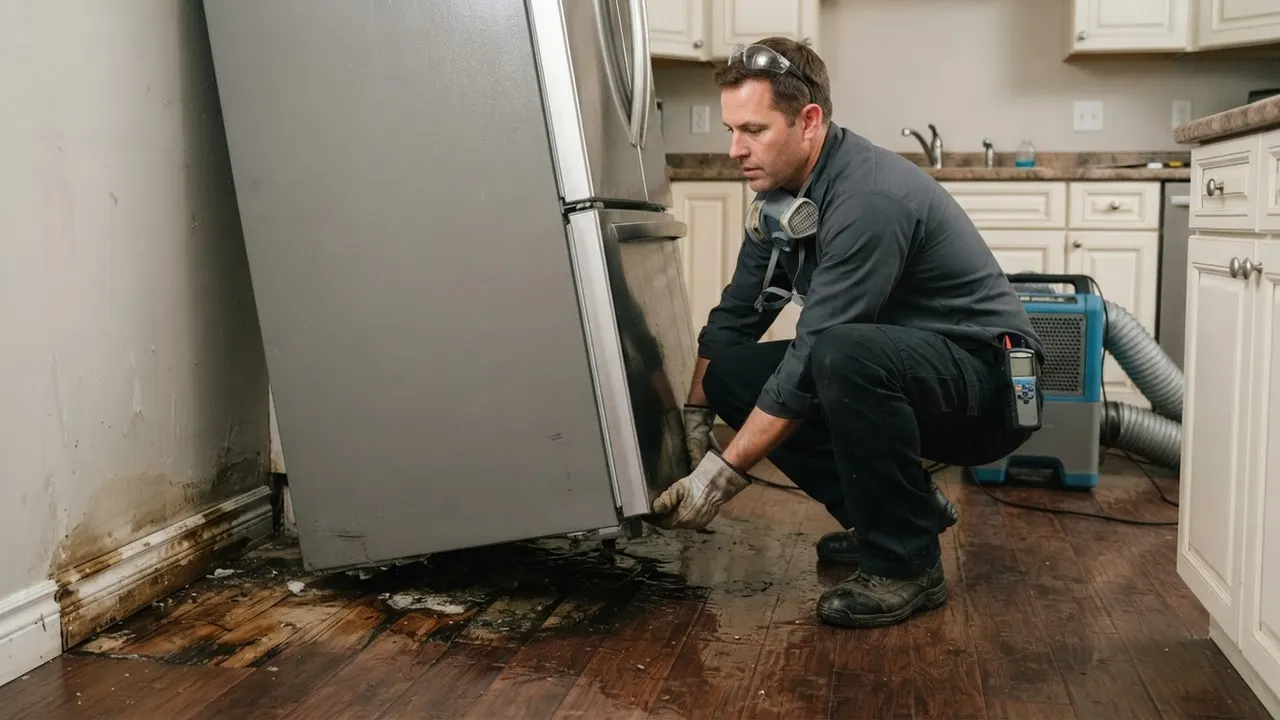
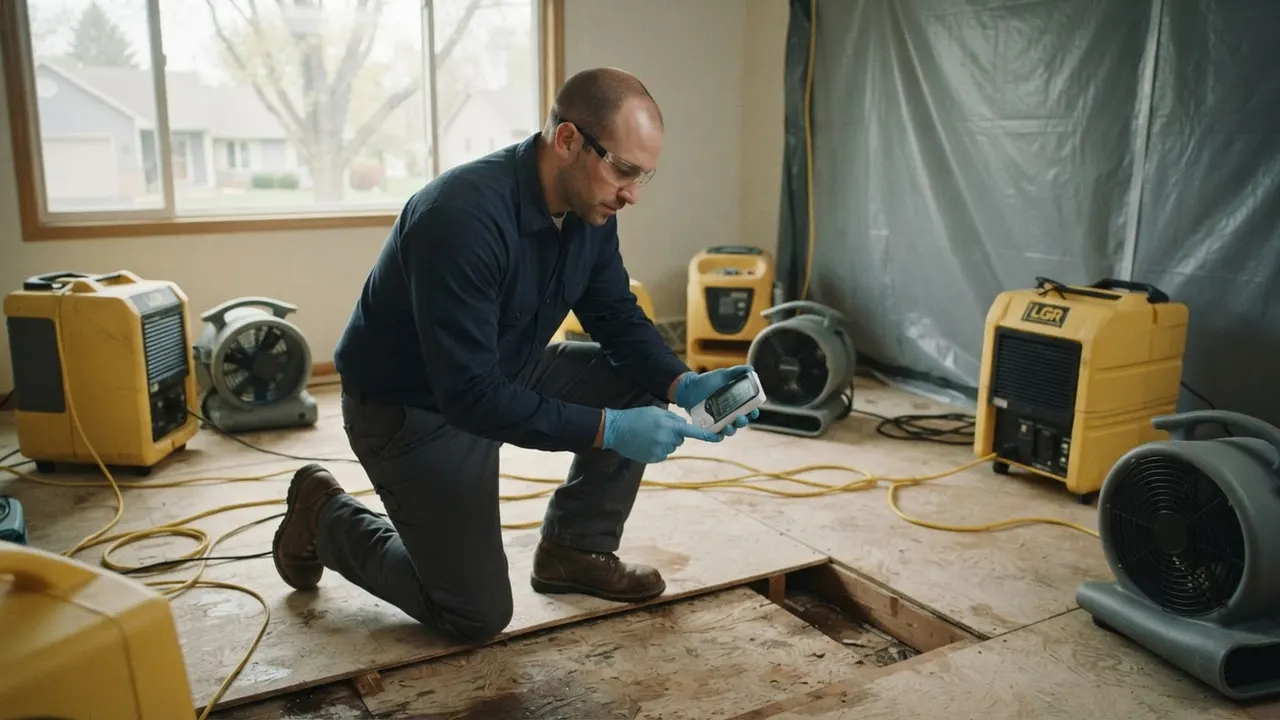
We inspect the affected area and nearby plumbing, foundation edges, and utility equipment for moisture clues. A moisture meter helps compare damp materials with nearby areas. We explain when the likely source points to a leak, seepage, condensation, or a separate repair.
Work-Zone Protection
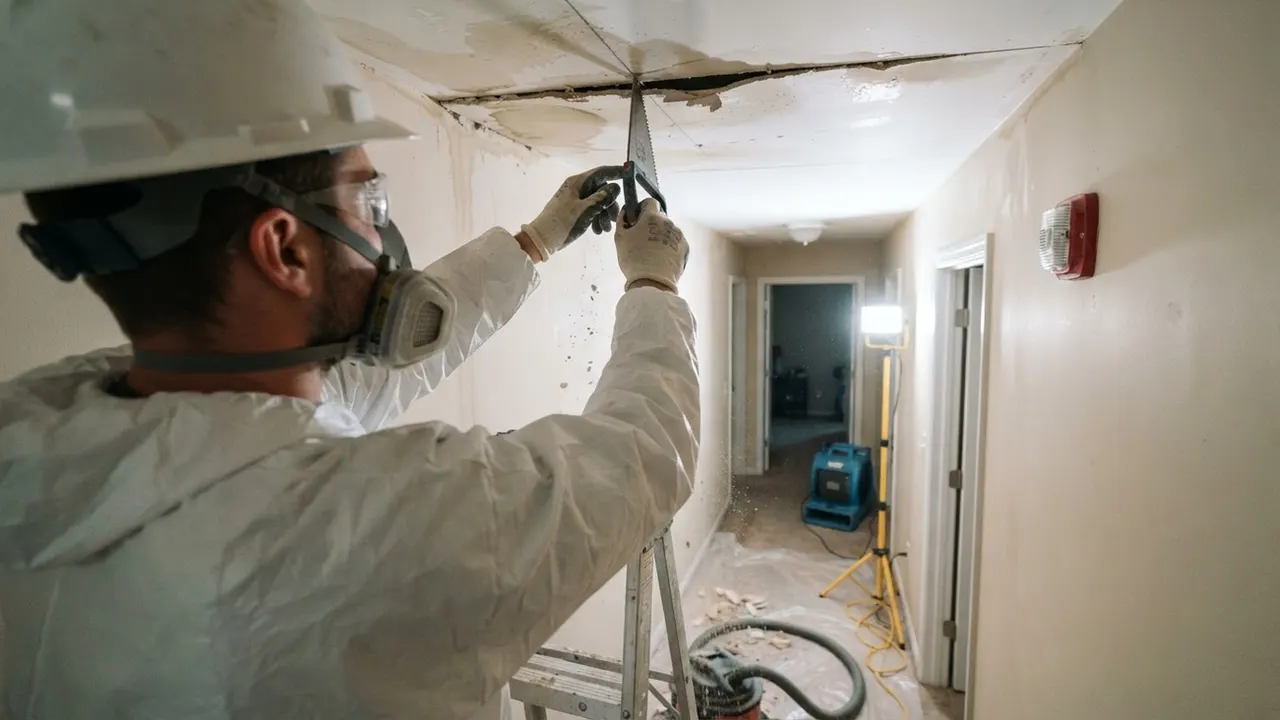
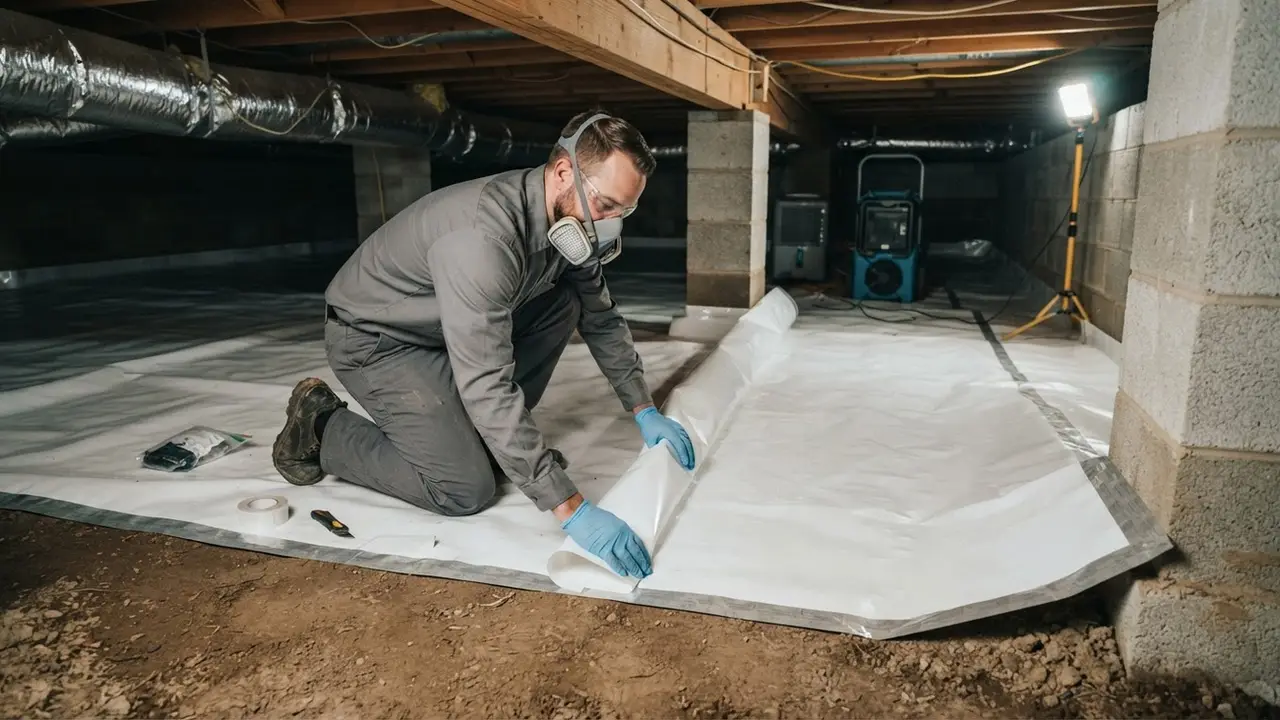
We establish a controlled work area based on the size and location of the affected materials. Plastic sheeting can separate the room from adjacent spaces, and equipment placement is planned to protect access routes. You will know which parts of the basement remain accessible.
Affected Material Removal
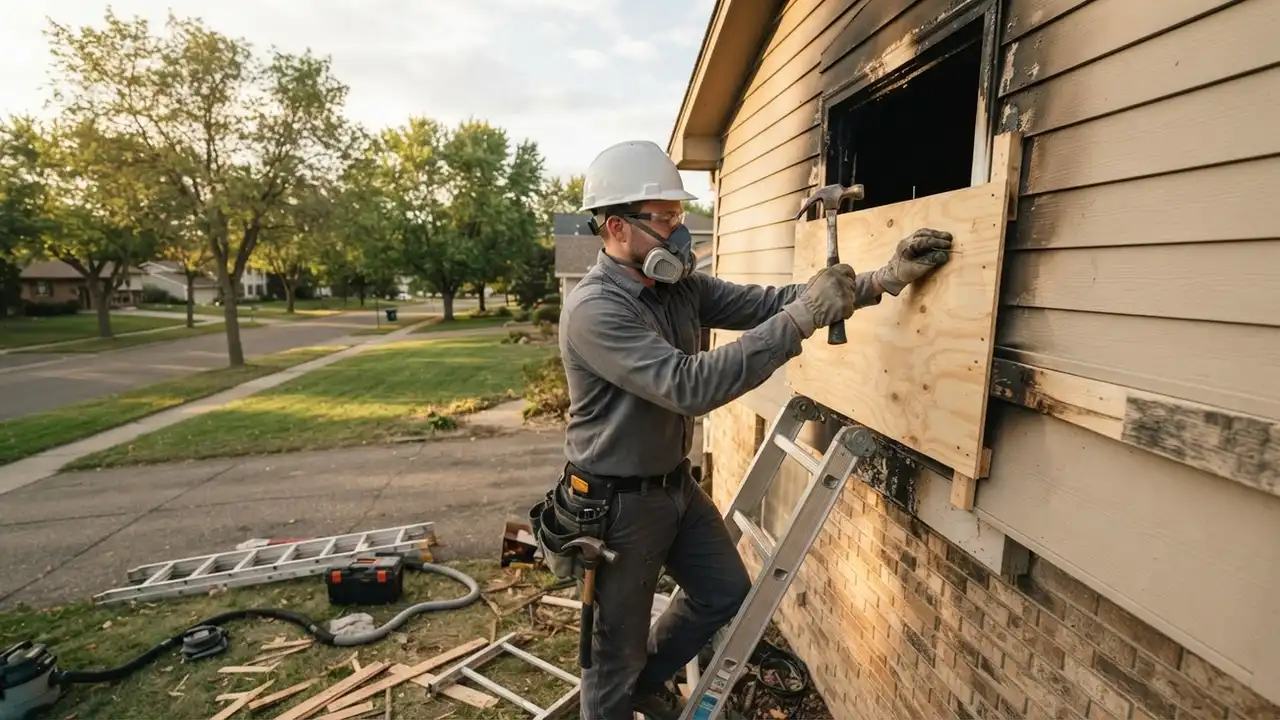
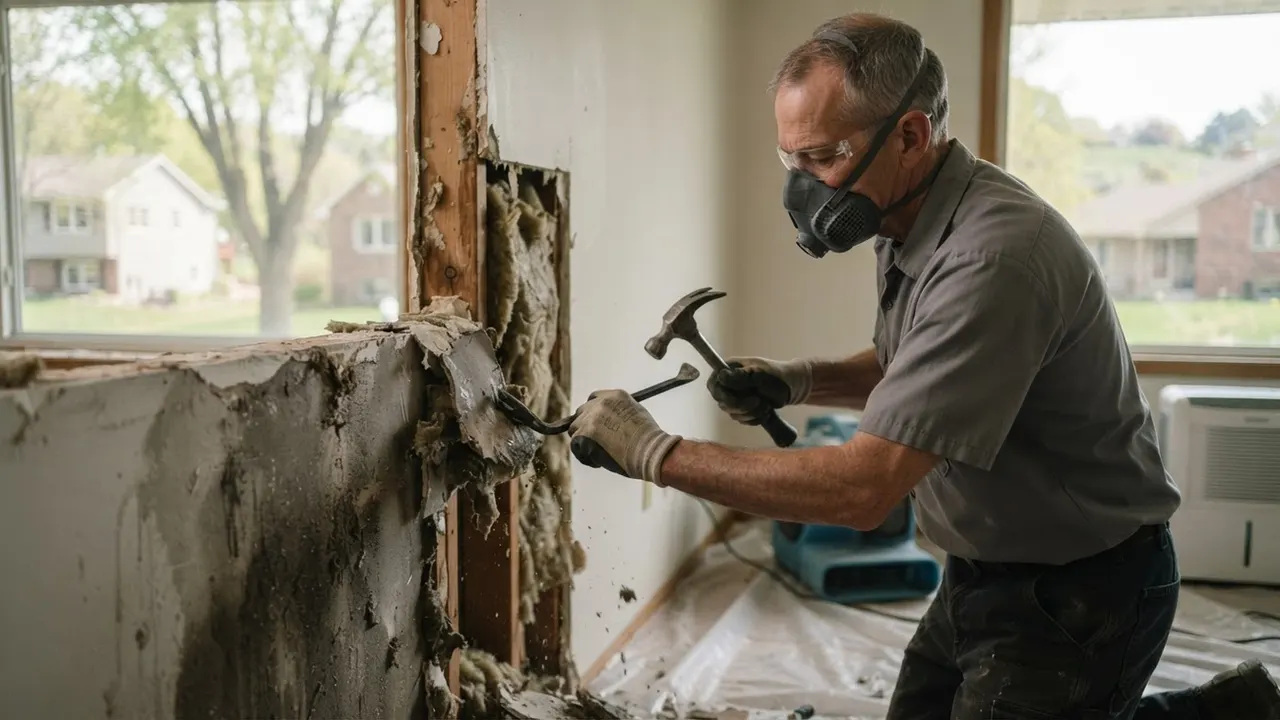
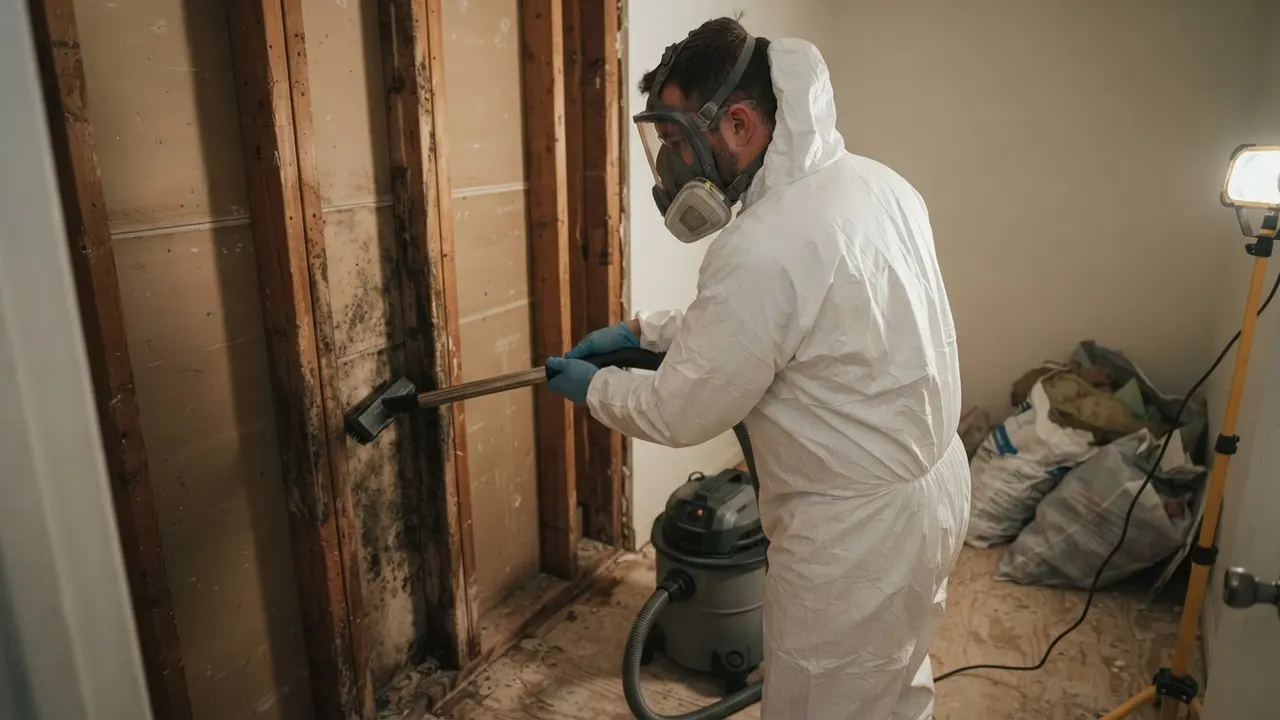
When porous material is damaged or cannot be cleaned effectively, we remove it to the extent supported by inspection. This can include sections of drywall or insulation. We protect nearby surfaces and handle debris so it does not track through your home.
Detailed Surface Cleaning
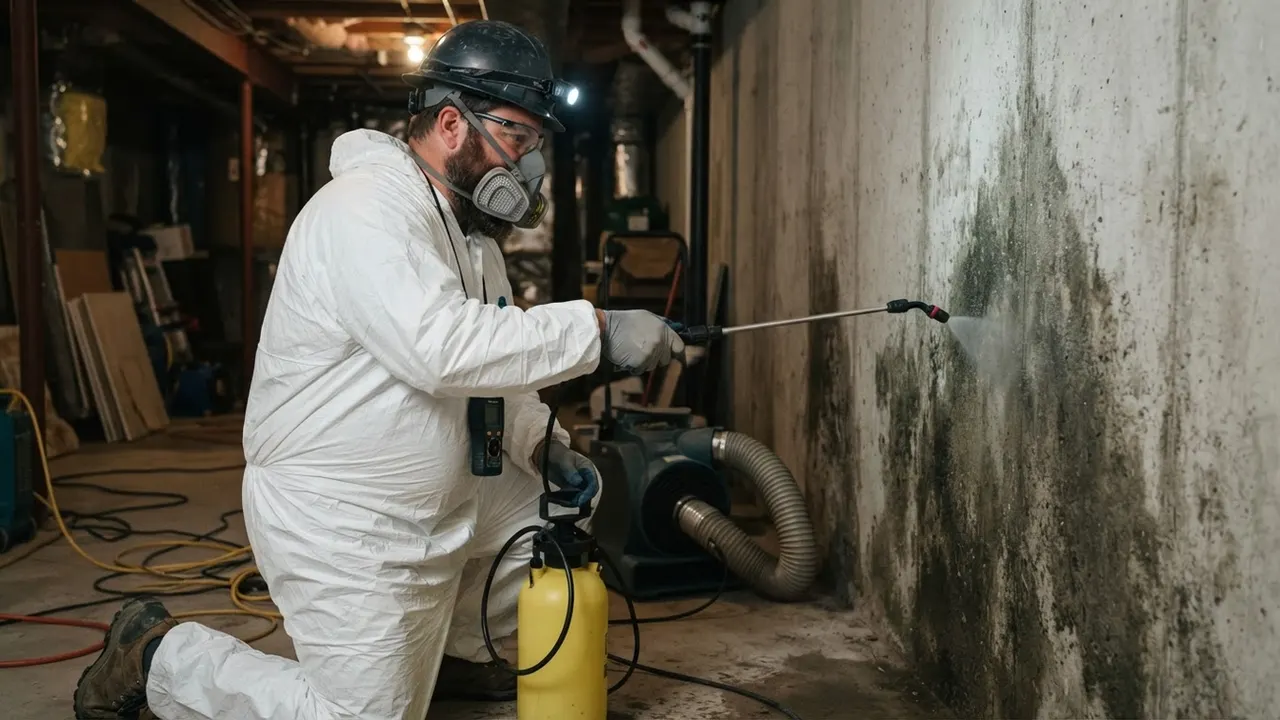
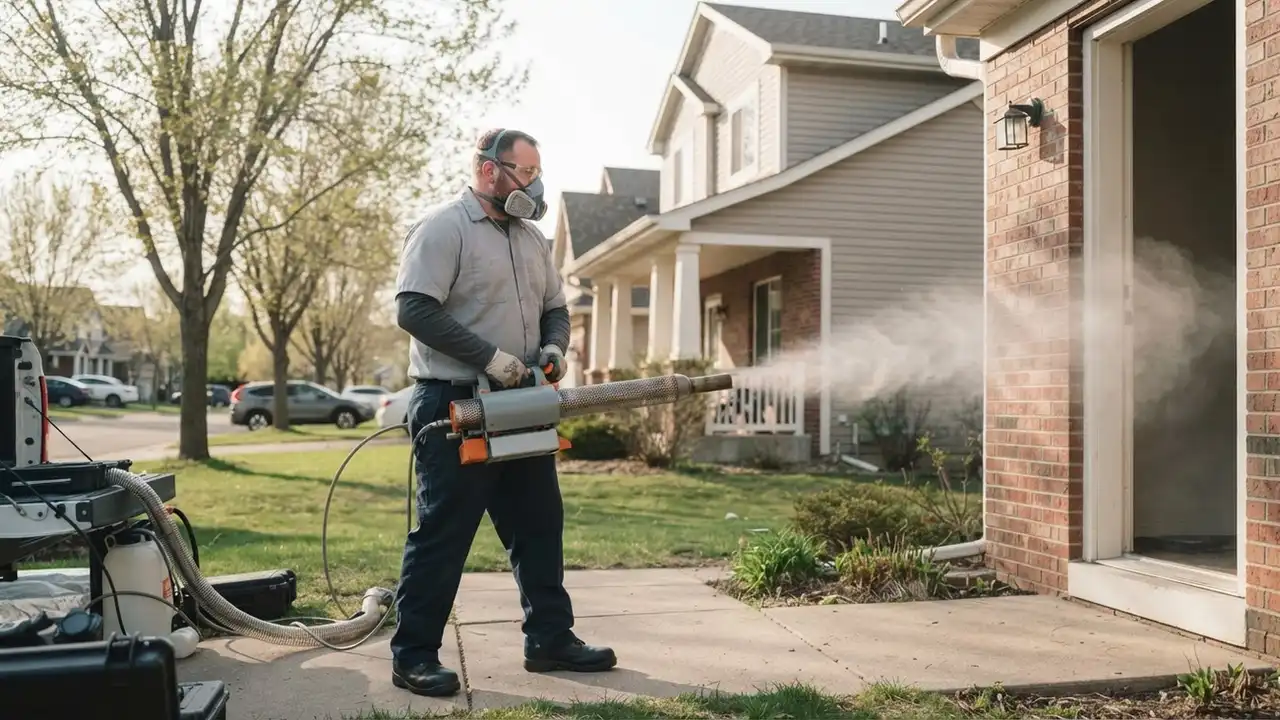
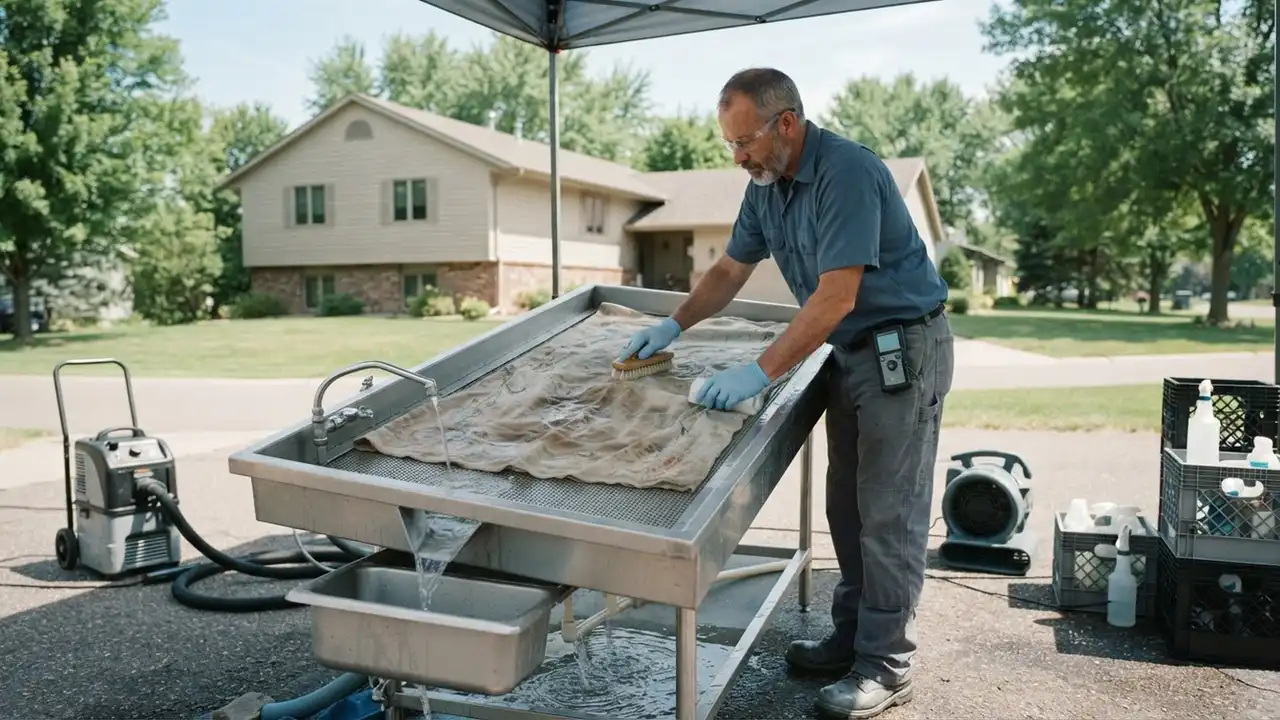
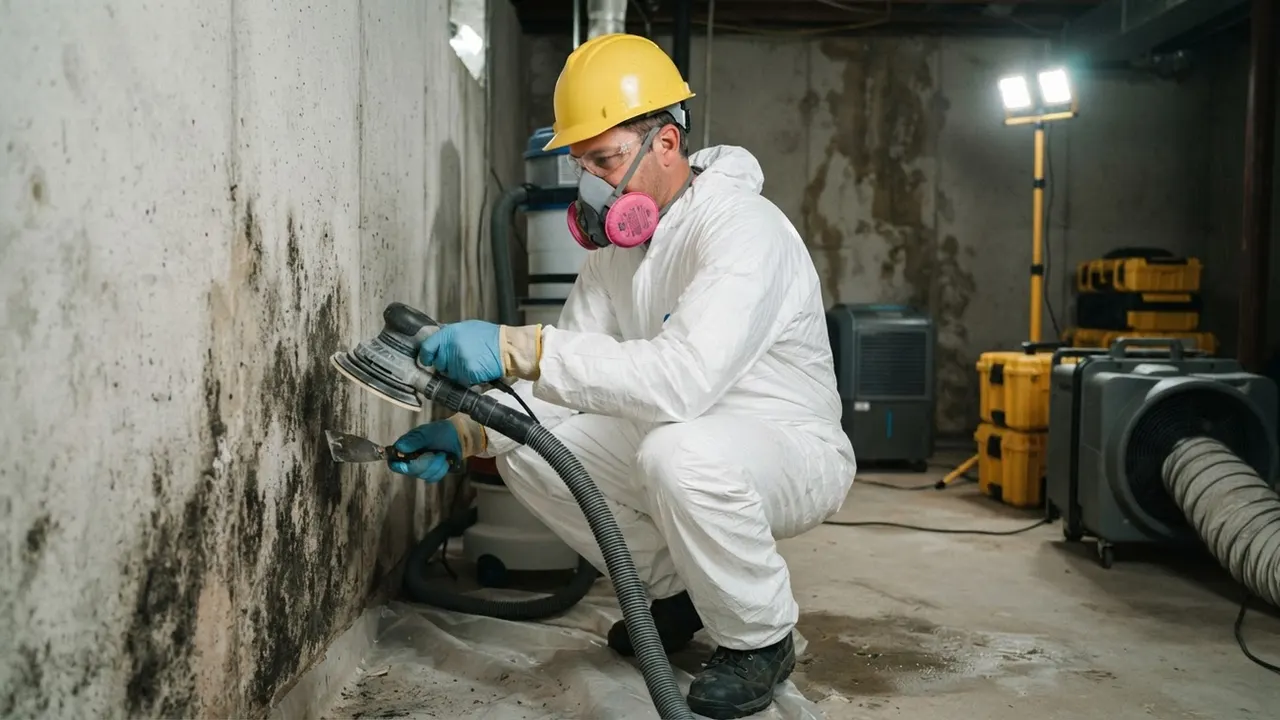
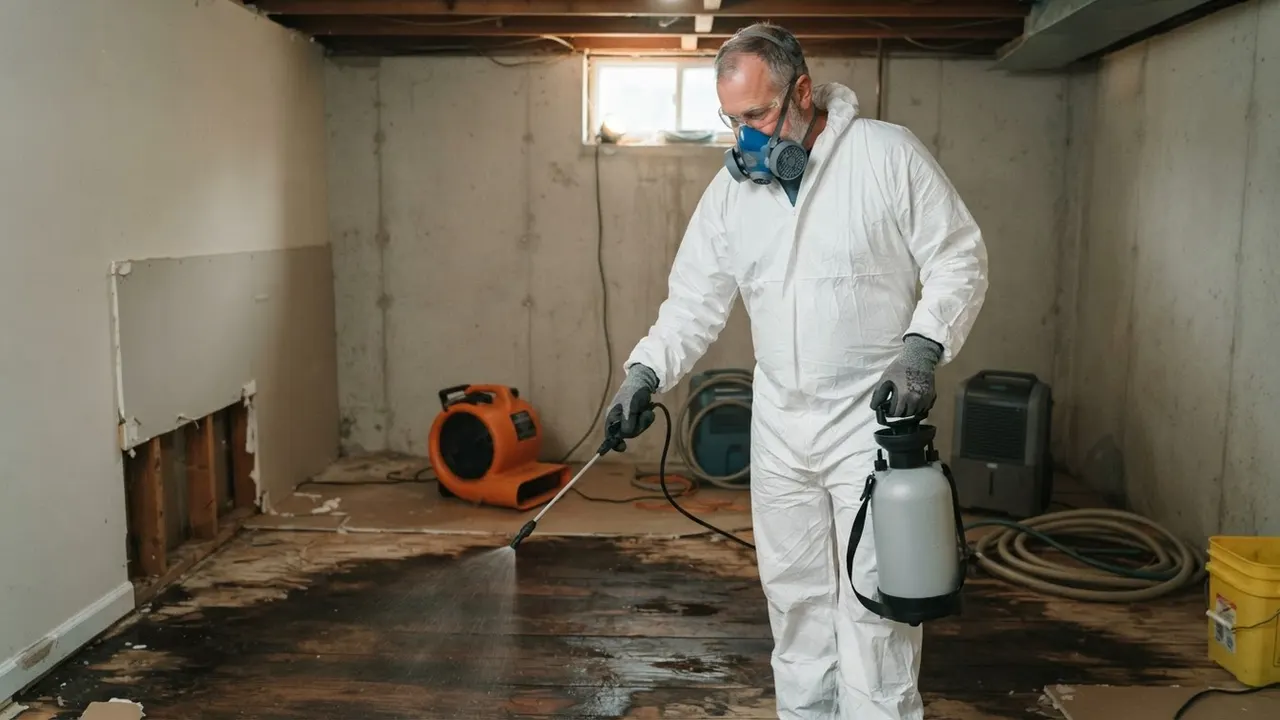
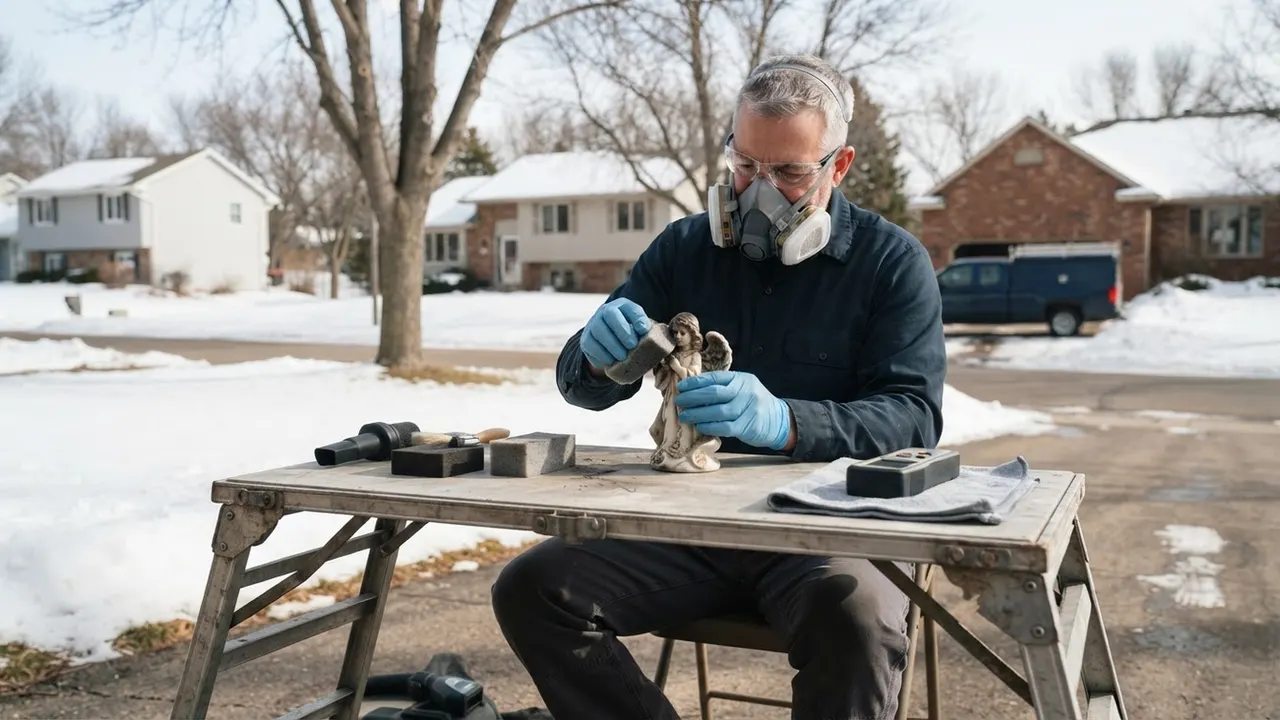
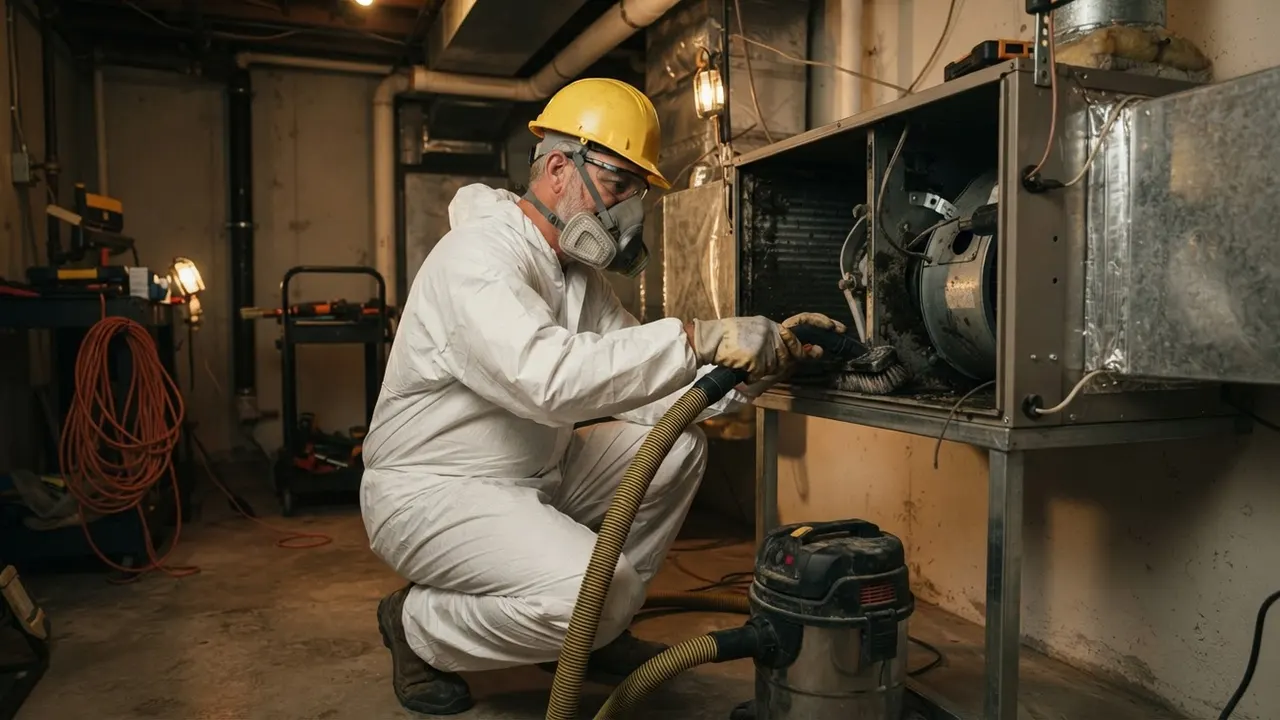
We clean remaining suitable surfaces using methods appropriate to the substrate and condition. HEPA vacuuming helps capture fine debris, while an antimicrobial spray may be used after physical cleaning when appropriate. Surface treatment does not replace removal of compromised material.
Structural Drying Checks
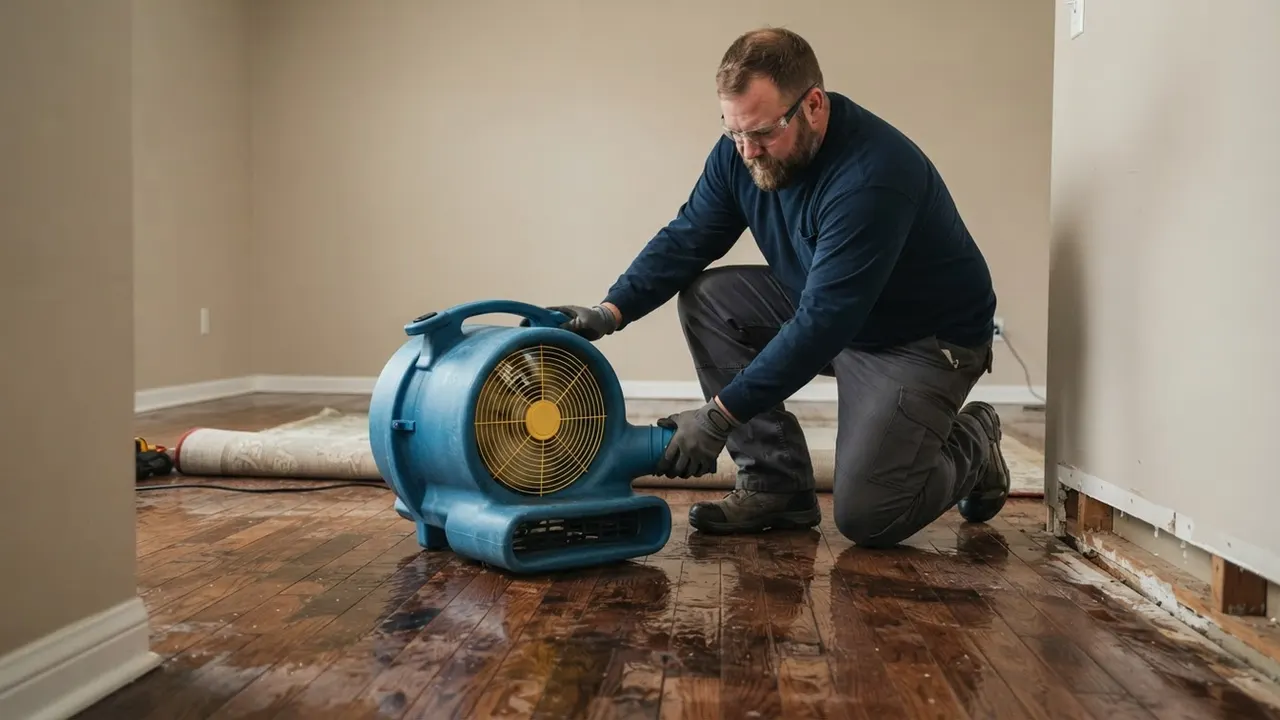
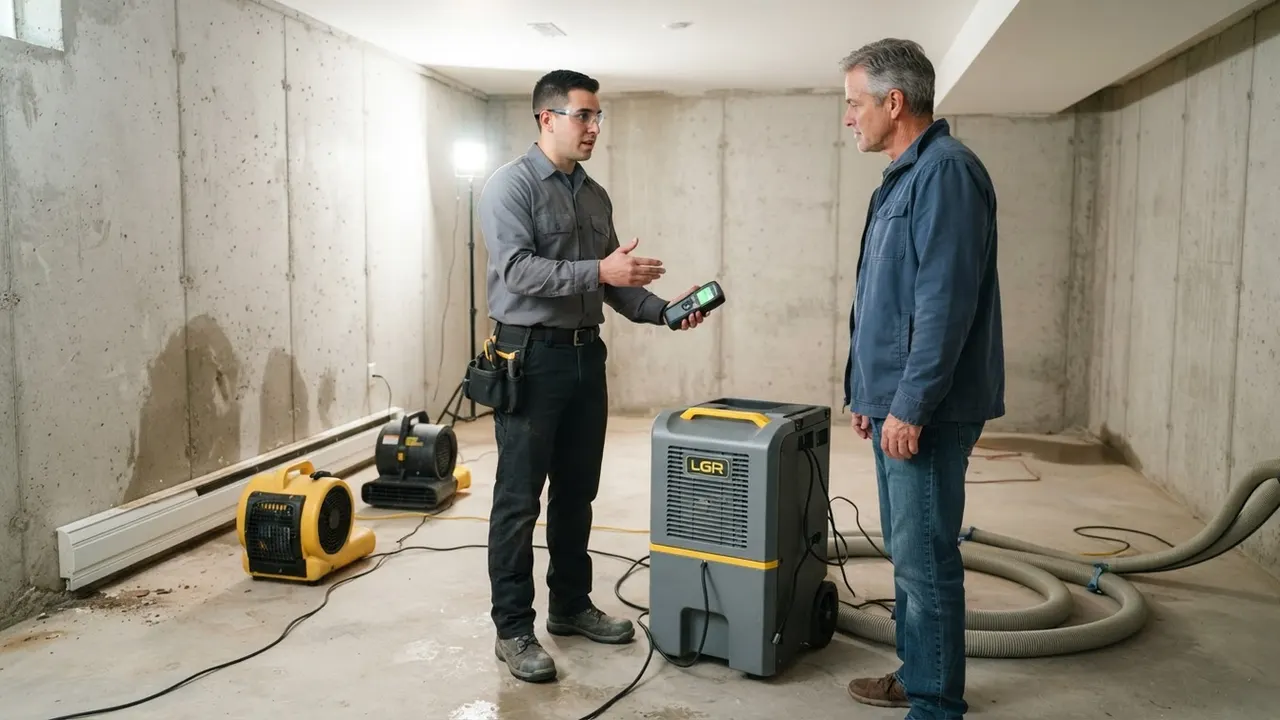
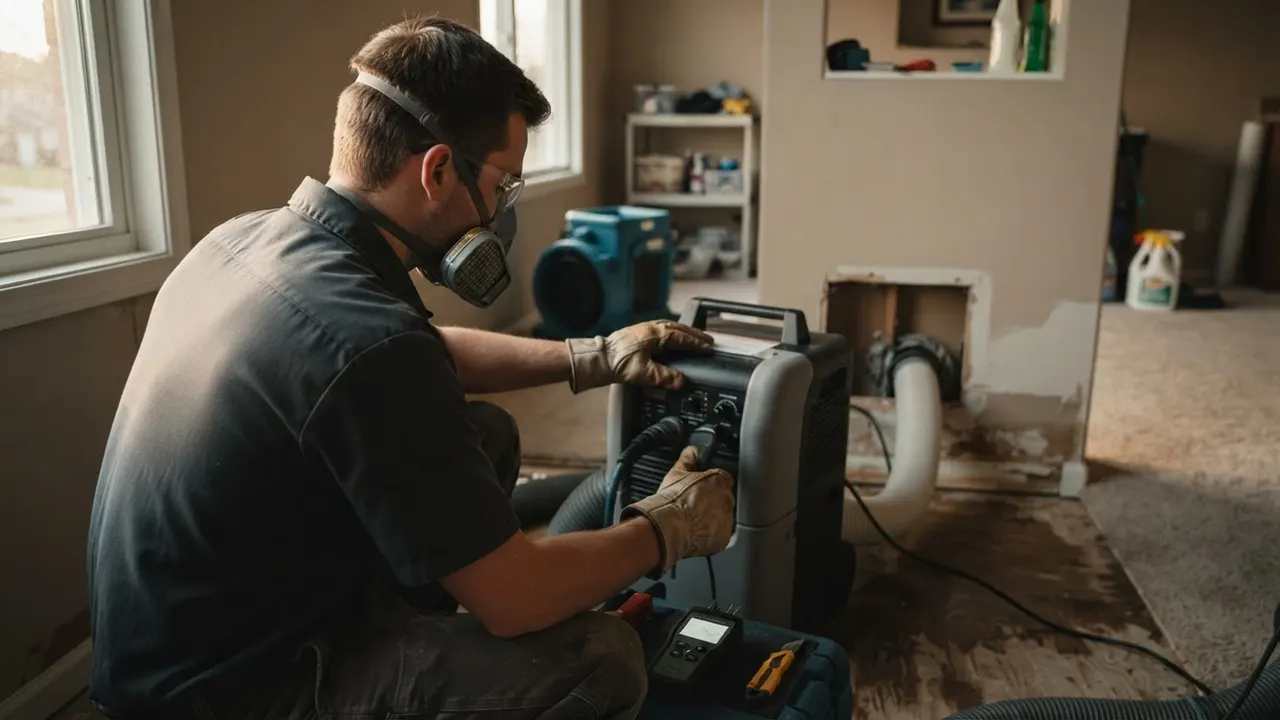
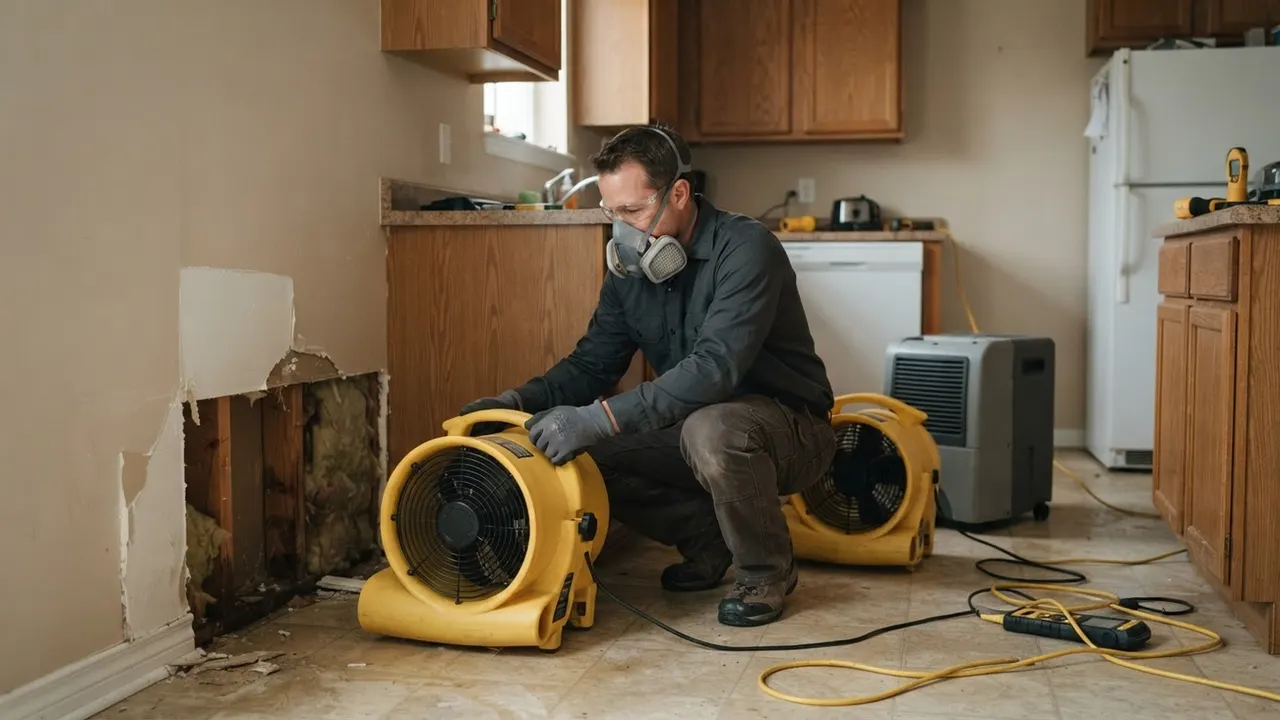
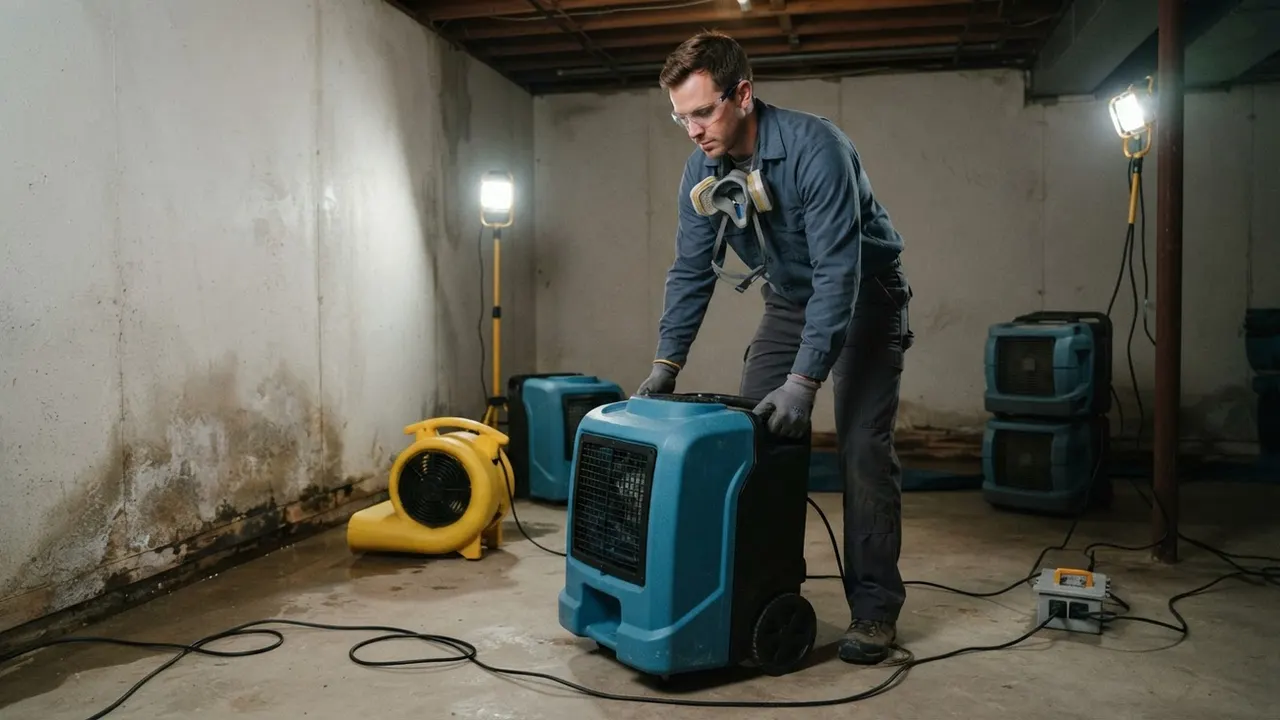
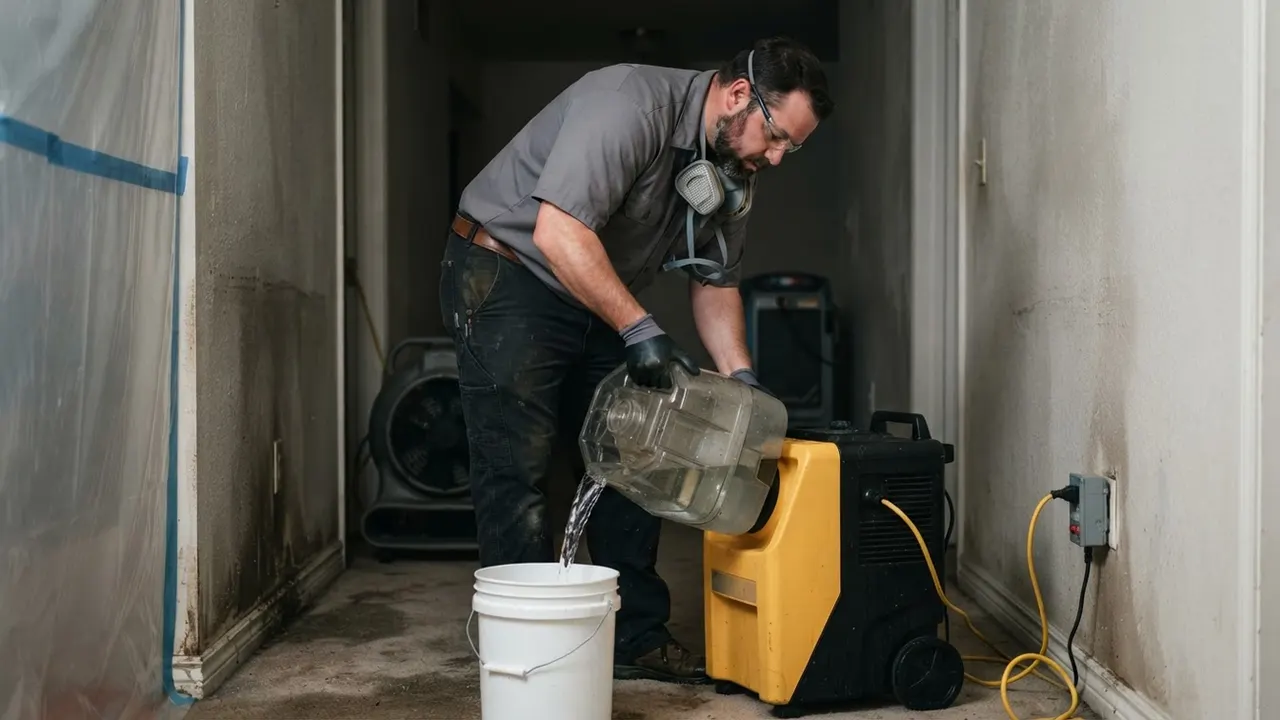
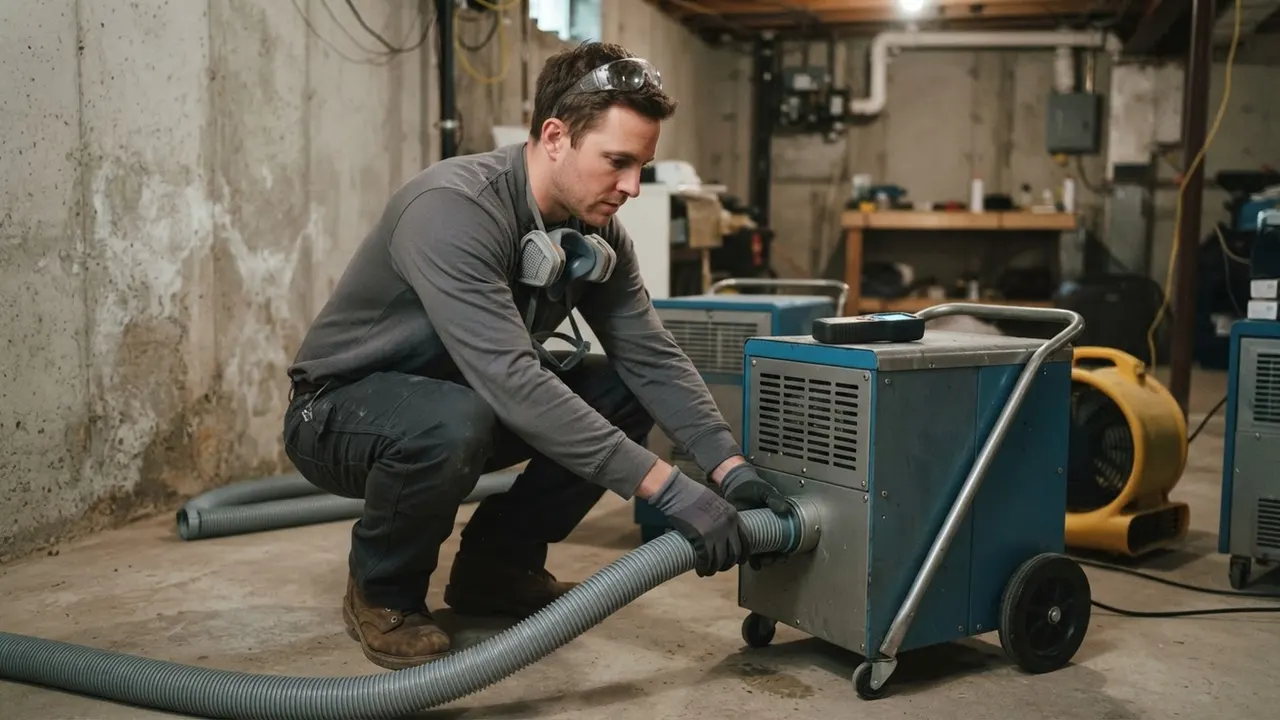
Air movers and a dehumidifier support drying after cleanup. We recheck affected materials and explain whether additional drying or source repair is needed. Drying records help you understand what was monitored before rebuilding begins.
Homes and Businesses.
The approach is the same for a home and a business. What changes is the access, the schedule and who needs the paperwork.
Homes and Rentals
We inspect finished basements, utility rooms, and storage areas while protecting the route through your home. You get clear explanations before materials are disturbed.
Musty odor behind stored belongings
Wet drywall after a pipe leak
Recurring growth at foundation walls
Managed Properties
We coordinate access with owners and property managers, then document affected areas for repair planning. Work zones are arranged around occupants and building operations.
Basement suites after water entry
Shared utility-room moisture
Tenant reports of recurring odor
Basement Mold Removal Hopkins MN: What It Involves
A plain-language look at what Basement Mold Removal involves and when it is needed.
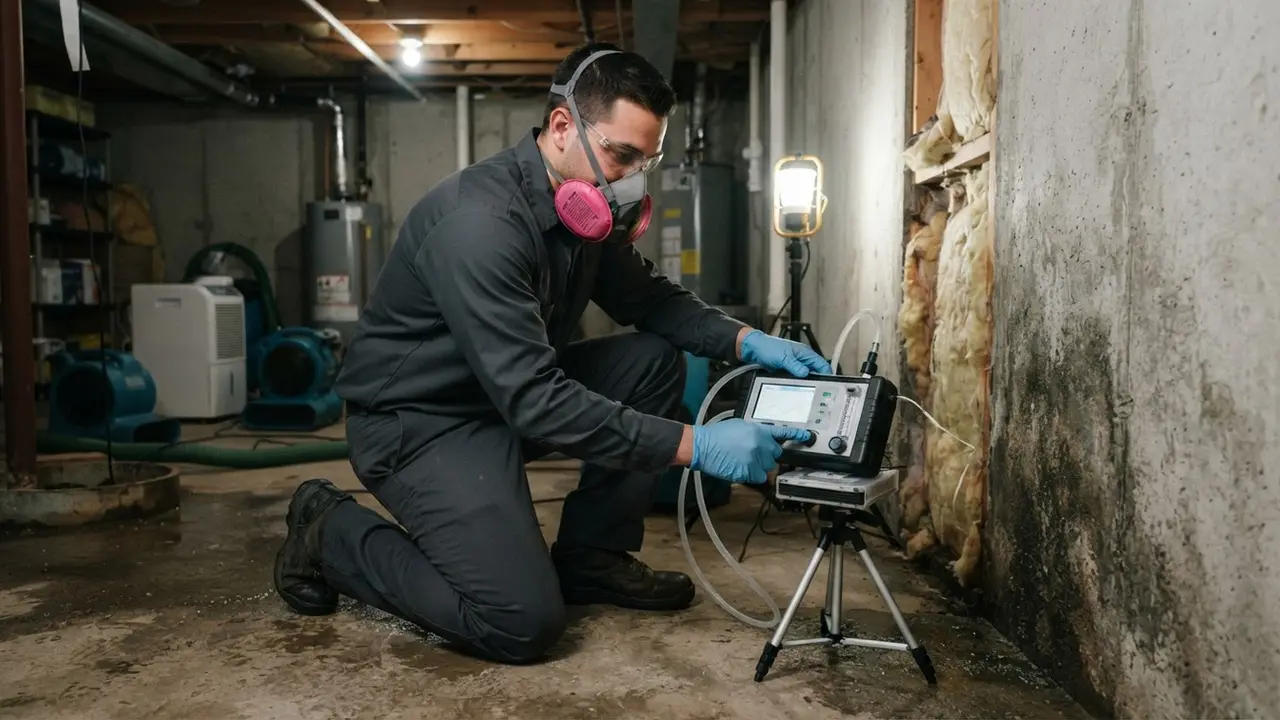
Basement mold removal Hopkins MN is a building restoration service that removes mold-affected materials and addresses the moisture conditions that allow growth to develop. We inspect the affected area, use a moisture meter and thermal imaging camera to help locate dampness, and isolate work zones with plastic sheeting when conditions call for containment. Our technicians remove damaged drywall or insulation as appropriate, clean remaining surfaces with suitable methods, and dry the structure. A coating alone does not solve a wet wall; the moisture source must be identified and corrected.
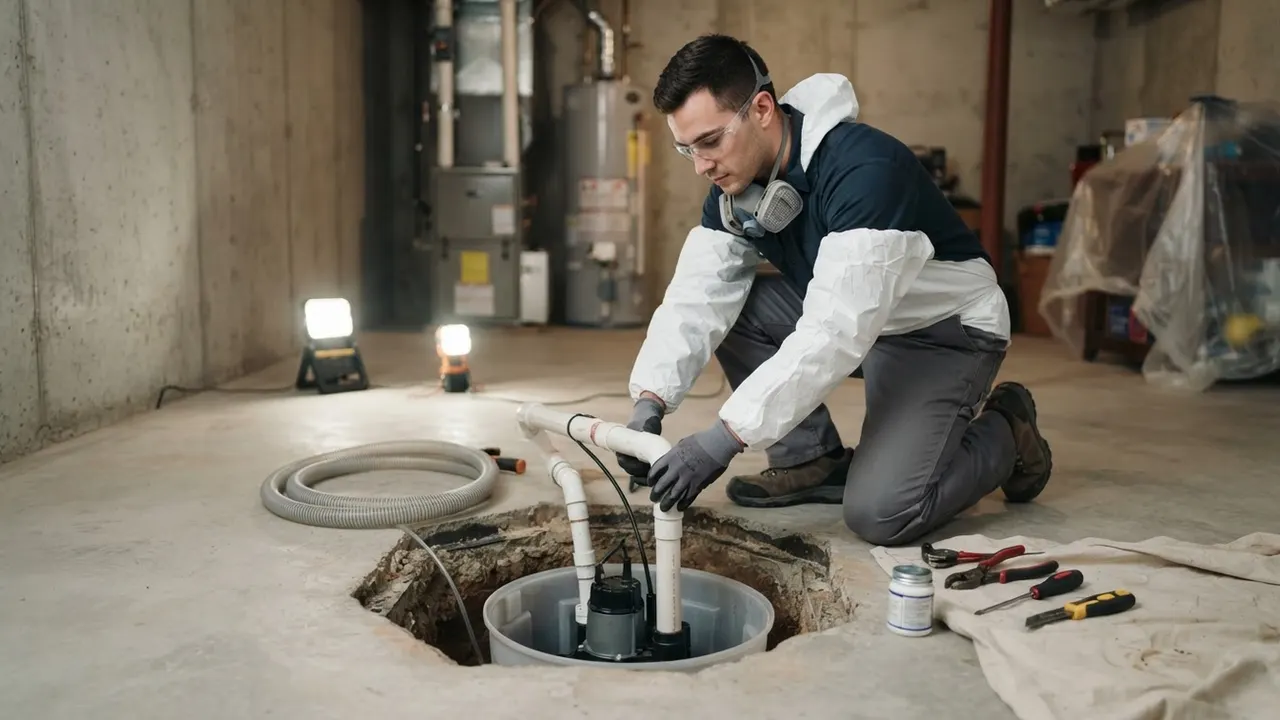
Hopkins basements face recurring moisture from snowmelt, heavy rain, foundation seepage, plumbing leaks, and frozen pipe bursts. Hennepin County's seasonal freeze-thaw cycles can expose weak seals and keep lower-level materials damp after water appears to be gone. We check for roof leaks, sump pump problems, appliance leaks, and slab leaks before planning removal. If you are searching for a basement mold removal in Hopkins MN near me, ask whether the service includes moisture-source investigation and post-cleaning drying.
Remove affected material, clean suitable surfaces, and correct the moisture that allowed growth.
The work
Removal or cleaning of mold-affected basement materials, followed by moisture-source assessment and drying.
Call when
Growth returns, materials stay damp, or a musty odor follows a leak or flood.
Expect
Inspection, protected work areas, selective removal, detailed cleaning, and drying checks.
What to Expect During Cleanup
Basement mold remediation Hopkins MN follows a practical sequence: identify moisture, protect the work zone, remove affected materials, clean, and verify drying. Your technician reviews the findings with you before the work moves from inspection to removal.
Inspect and Trace
On the first visit, we walk the basement with you, note visible growth and odor, and check nearby plumbing, foundation areas, and stored items. Initial inspection commonly takes 30 to 90 minutes, depending on access and the number of affected rooms.
Walk-through
Moisture check
Source trace
Contain the Area
Before disturbing affected material, we protect the route and set up containment suited to the job. Plastic sheeting separates the work zone, and a negative air machine may be used to direct filtered air where conditions call for it. We move or cover items with your input, then explain how you can access the rest of the basement during work.
Protect route
Set containment
Explain access
Remove Affected Materials
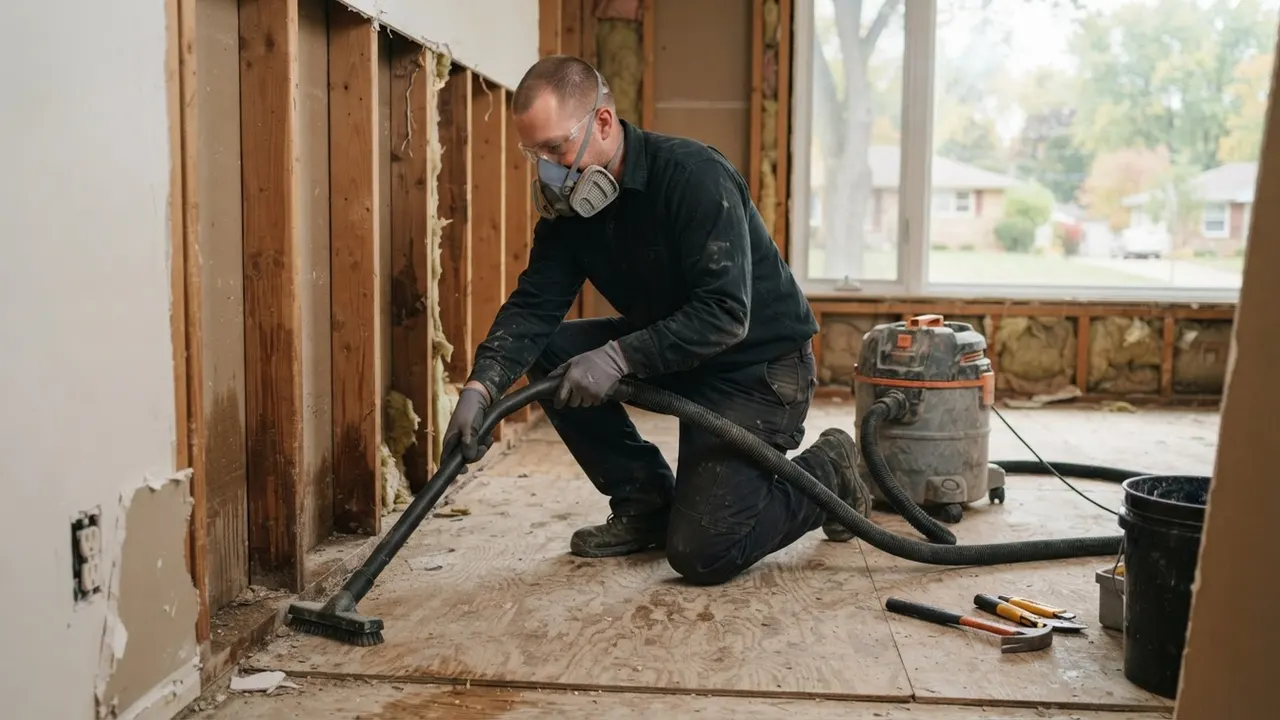
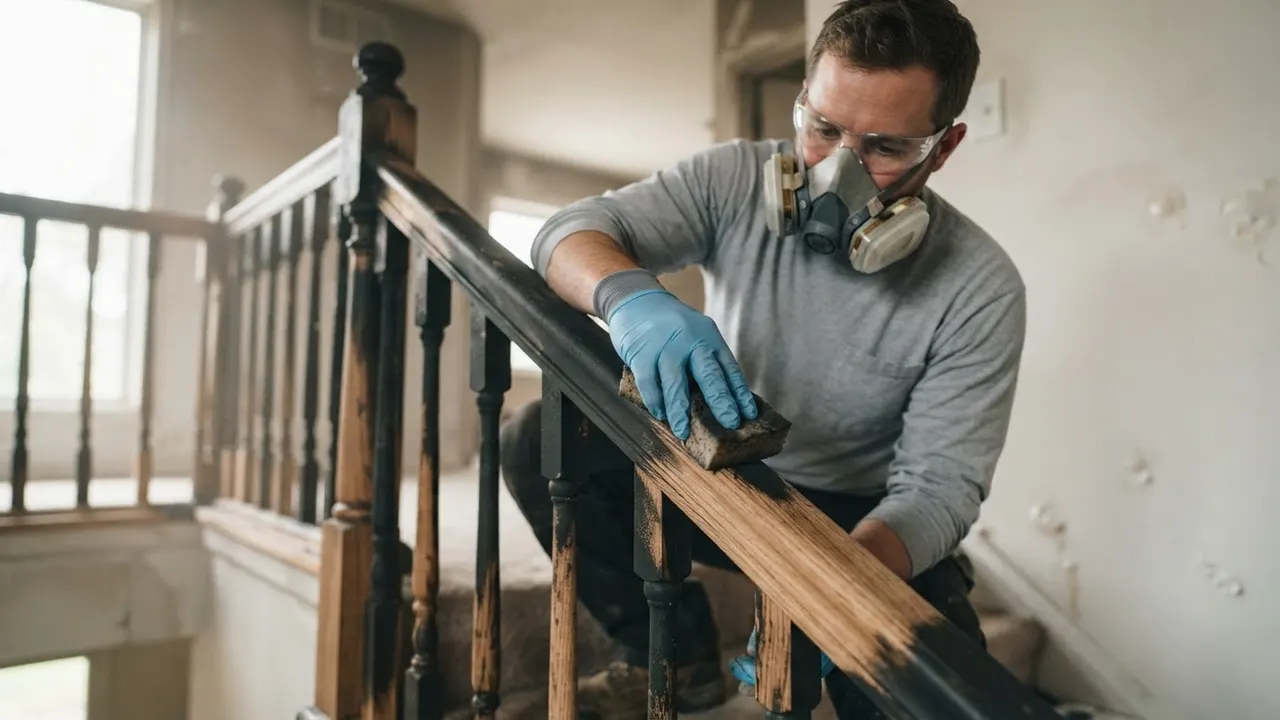
We remove mold-affected drywall, insulation, or other porous material when inspection shows cleaning alone is not appropriate. The removal boundary follows the visible and measured extent of damage, not an arbitrary cut line. Bagged debris is handled carefully, and we use a HEPA vacuum to capture dust from the work area and nearby surfaces.
Remove damage
Bag debris
HEPA vacuum
Clean and Dry
Our team cleans remaining structural surfaces with methods suited to the material and condition. We may apply an appropriate antimicrobial product after physical cleaning; it does not replace removal of damaged material. Air movers and a dehumidifier support drying, while moisture checks help determine whether the structure is ready for the next repair step.
Clean surfaces
Set airflow
Check drying
Review and Plan
We walk the completed area with you, review photos and moisture notes, and explain any remaining source repair or rebuilding needs. A small room can take one to two days for removal and drying; larger or wetter projects take longer. You leave knowing what was removed, what was cleaned, and what should happen before new finishes go in.
Review photos
Discuss readings
Plan repairs
Tools and Cleanup Methods
Move across a circle, or focus it and press Enter, for an illustrative thermal view of the photograph.
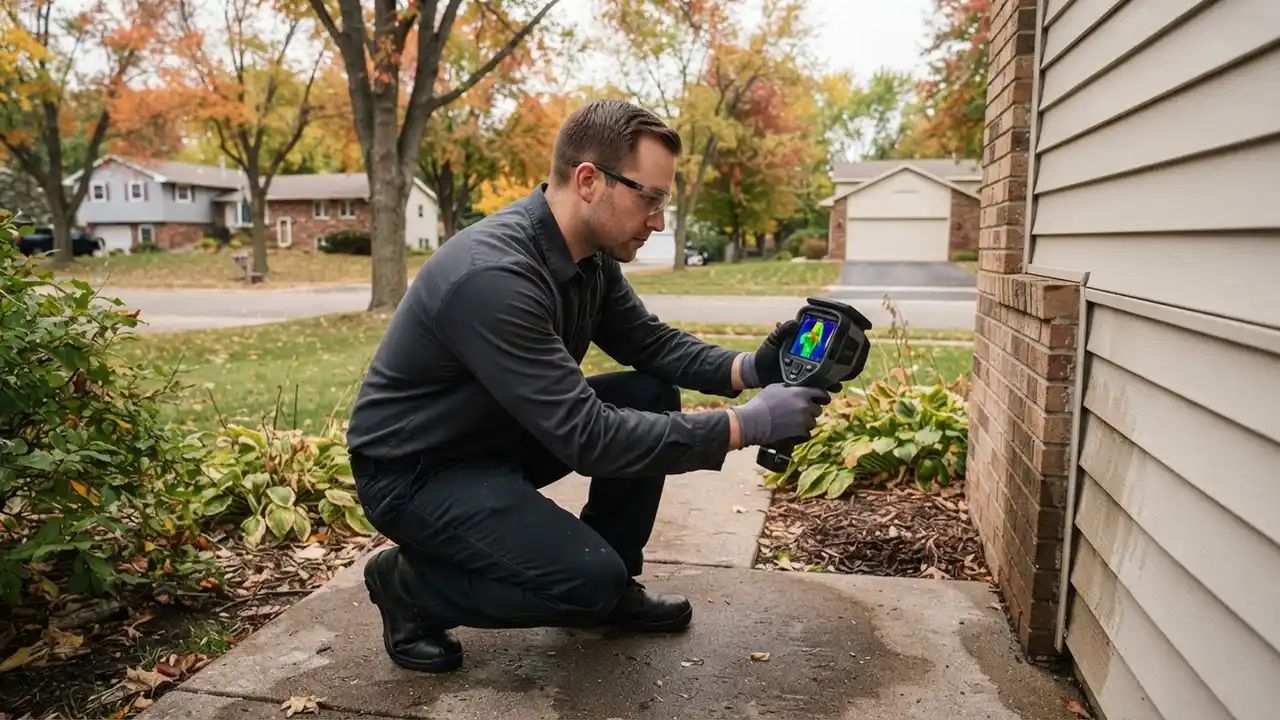
Thermal Imaging Camera
We use temperature patterns to identify areas that deserve closer inspection. The camera does not identify mold or confirm moisture by itself; we verify suspected areas with direct checks.
Moisture Meter
This tool checks moisture in accessible building materials and helps compare affected areas with nearby dry-looking surfaces. Readings guide inspection and drying decisions.
HEPA Vacuum
A HEPA vacuum captures fine dust and debris during detailed cleanup. We use it as part of a controlled process, not as a substitute for removing damaged porous material.
Negative Air Machine
When conditions call for it, this machine helps maintain airflow from the work area toward filtration. It supports containment while affected materials are disturbed or removed.
Dehumidifier
A dehumidifier removes moisture from basement air during structural drying. Our team pairs it with air movement and follow-up checks to monitor the affected area.
Thermal views are illustrative, generated from the photographs.
Methods
Air mover
Air movers direct airflow across wet surfaces to support evaporation. Placement depends on the room, material, and drying plan, so equipment does not simply blow across every surface.
Moisture mapping
We compare visible damage, material condition, and moisture readings to define where inspection or removal should focus. This helps separate a small surface issue from moisture that has traveled into a wall cavity. We record findings and use follow-up checks to guide drying rather than relying on appearance alone.
Controlled containment
We protect adjacent spaces with a setup matched to the work area, using plastic sheeting and filtered airflow when needed. Containment reduces the chance of carrying dust into occupied rooms. The team maintains a practical path for your access and removes debris in a controlled manner.
Selective removal and cleaning
We remove porous materials that cannot be effectively cleaned or dried, then clean remaining suitable surfaces. HEPA vacuuming supports detailed cleanup, and antimicrobial products are used only where appropriate after physical cleaning. This method avoids treating a coating as a cure for damaged material.
Monitored structural drying
Air movers and dehumidification support drying after water removal and material cleanup. We check affected materials as the process progresses and adjust equipment placement when conditions change. Drying checks help determine when repairs can move forward without sealing damp materials into a wall.
When to Call for Basement Cleanup
Snowmelt Seepage
A finished basement in Downtown Hopkins smells musty after a snowmelt seepage event.
We inspect the foundation wall, baseboards, and nearby flooring for moisture, then determine whether the finish needs to be opened. Our team contains the affected section, removes damaged porous material, and dries the exposed structure. We also explain whether drainage or foundation work should address the water entry.
Outcome: You get a cleaner, drier work area and a clear understanding of what caused the odor and what must be fixed before rebuilding.
Frozen Pipe
A frozen pipe bursts overnight near a utility room in the Blake Road Corridor.
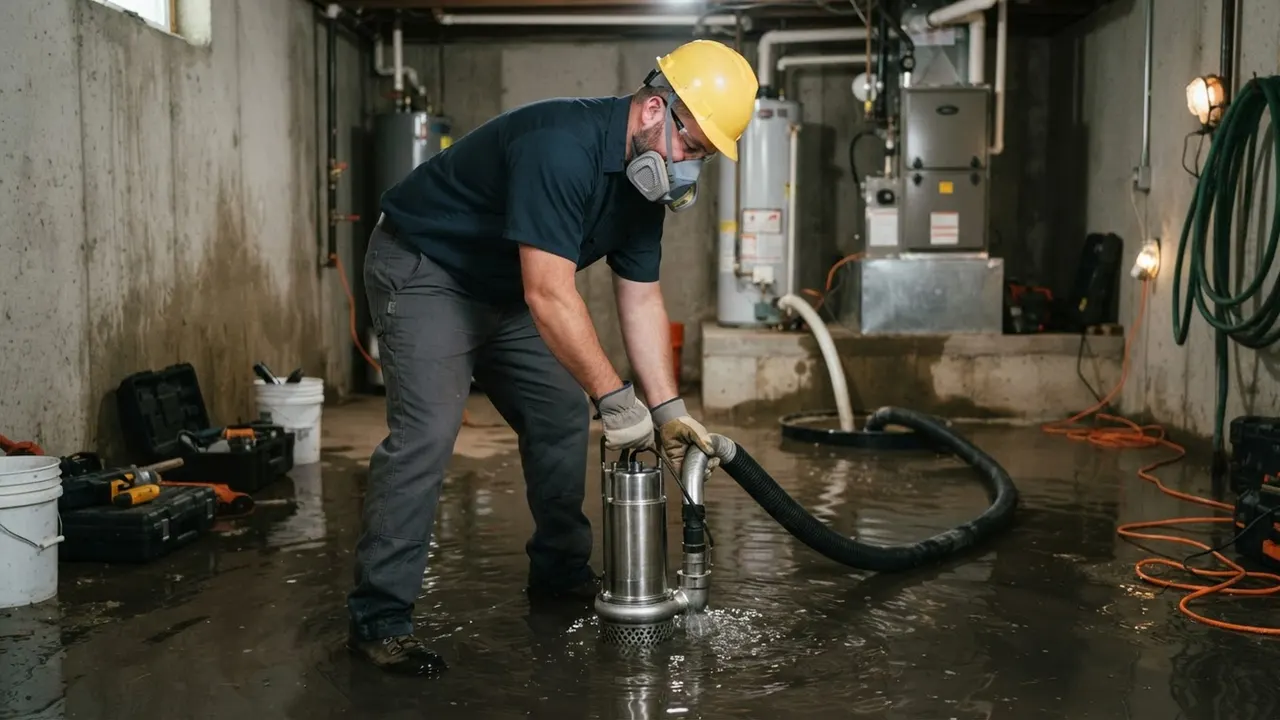
We assess how far water traveled from the pipe, extract remaining water, and inspect drywall, insulation, and flooring for hidden dampness. Affected materials are removed where necessary, followed by cleaning and drying. We coordinate the restoration sequence around the plumbing repair so the wall is not closed too soon.
Outcome: The wet area is contained and documented, with drying checks guiding the timing of repairs and any further mold cleanup.
Stored Belongings
A homeowner in Meadowbrook discovers dark growth behind stored boxes along a basement wall.
We move access clear with your direction, inspect the wall and stored items, and determine whether the growth is on cleanable masonry or porous finish material. We contain the work zone, remove damaged material when needed, and clean the remaining surface. The moisture source is checked before treatment.
Outcome: You know which belongings and building materials were affected, and the cleanup does not rely on color or odor alone.
Recurring Leak
A rental property near Mainstreet Hopkins has a recurring stain below a bathroom supply line.
We check the supply line area and trace moisture into the basement ceiling or wall cavity. After the leak is repaired, we remove wet materials that cannot be salvaged, clean the exposed surfaces, and dry the assembly. Photos and moisture notes help you coordinate with the owner and repair trades.
Outcome: The recurring stain is addressed at its source, and repairs can proceed after the structure is dry enough to close.
Downtown HopkinsMeadowbrookBlake Road Corridor
How Basement Cleanup Works in Hopkins
Hopkins basements see a mix of older finished rooms, utility spaces, and foundation walls exposed to seasonal moisture. As November shifts toward freezing conditions, a small plumbing leak can become a frozen pipe burst; spring snowmelt and heavy rain bring different pressure around foundations.
Our basement mold remediation Hopkins MN begins by tracing the water path, checking damp materials, and identifying whether the concern is seepage, condensation, or a plumbing failure. We work across Hennepin County, including Downtown Hopkins, Meadowbrook, and the Blake Road Corridor, and serve homes in ZIP codes 55343 and 55305.
If you are searching for same day basement mold removal Hopkins MN, tell us whether water is still entering, how large the affected area appears, and whether the room is finished. Those details help us prepare for the right inspection and explain immediate priorities. We protect the work route, contain affected areas as needed, remove compromised material, and monitor drying before discussing reconstruction.
Downtown Hopkins: Finished lower levels and utility rooms can hide slow plumbing leaks behind baseboards. We inspect the water path before deciding whether wall material needs removal.
Meadowbrook: Foundation seepage after thaw or heavy rain can damp lower wall edges. We check floor joints and adjacent finishes for moisture beyond the visible spot.
Blake Road Corridor: Basement storage can restrict access to affected walls. We plan a protected route with you and identify which belongings need moving before containment.
Shady Oak: A musty odor in a partly finished basement can point to damp insulation or concealed growth. We investigate likely cavities before recommending repairs.
Freeze-thaw cycles stress exposed plumbing and foundation joints: A small opening or pipe failure can wet concealed materials before a stain appears. We trace moisture beyond the visible edge and dry the assembly before finishes are replaced.
Spring snowmelt and heavy rain raise basement moisture: Water can enter at floor joints, foundation cracks, or window wells and keep lower wall materials damp. Cleanup addresses affected materials while drainage or waterproofing needs are identified separately.
We walk the basement with you and explain the moisture and material checks.
We protect the access route and set up the work area for the conditions.
We review cleanup photos, drying checks, and practical repair next steps.
From Problem to Finished Result.
IllustrativeThe thermal view is generated from the photograph. It is not a measurement. Drag the handle, or use the arrow keys once it is focused.
Leak Behind a Finished Wall
Before: A slow supply-line leak left a musty smell and a darkened strip along a finished basement wall. The surface felt cool, but the damage extended behind the baseboard. Stored boxes blocked part of the area, and the homeowner could not tell whether the drywall was still wet or the stain was old.
After: We exposed the affected section, removed compromised drywall and insulation, and cleaned the remaining framing. Moisture checks showed the opened materials moving toward dry conditions over two days of monitored equipment use. The homeowner received photos of the removed area and a clear handoff for plumbing repair and replacement finishes.
Check the repaired supply line and nearby wall after the next few weeks of use. Keep boxes several inches away from exterior walls, and investigate any returning odor or soft drywall before repainting.
Snowmelt at the Foundation
Before: After a wet spring, water seeped at a basement floor joint and left a six-foot section of lower wall damp. The finish had not yet visibly bubbled, but a musty odor persisted. The owner had mopped the floor twice without finding why moisture returned.
After: We checked the wall and floor joint, removed the affected lower drywall, and dried the exposed area with a dehumidifier and air movement. The inspected section measured dry enough for the next repair stage after three days of checks. We also identified drainage concerns for separate correction before the wall was rebuilt.
Keep the floor joint visible until exterior drainage work is completed. After heavy rain or thaw, check for dampness at the same location and avoid storing absorbent materials against the wall.
Frozen Pipe in Utility Room
Before: A pipe burst during a cold snap, soaking insulation and drywall around a basement utility room. Water reached the edge of the finished floor, and the wall remained closed while the plumbing repair was arranged. The homeowner was concerned about hidden mold forming behind the paneling.
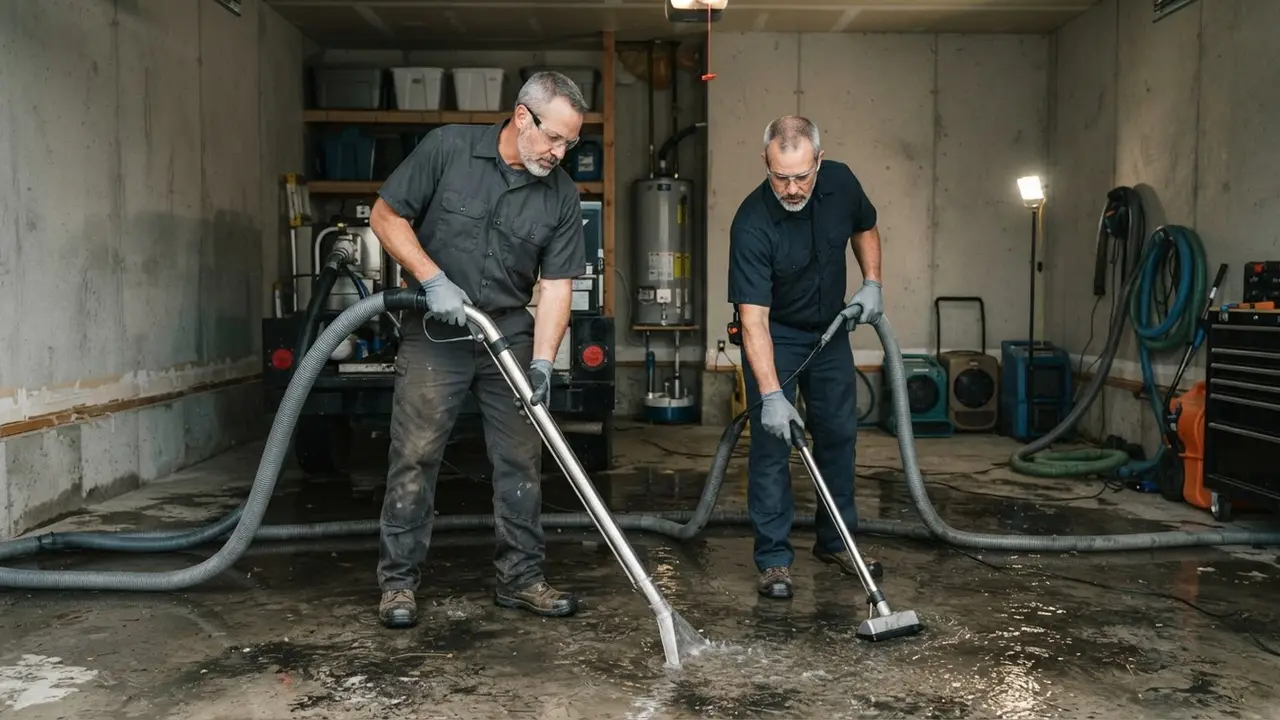
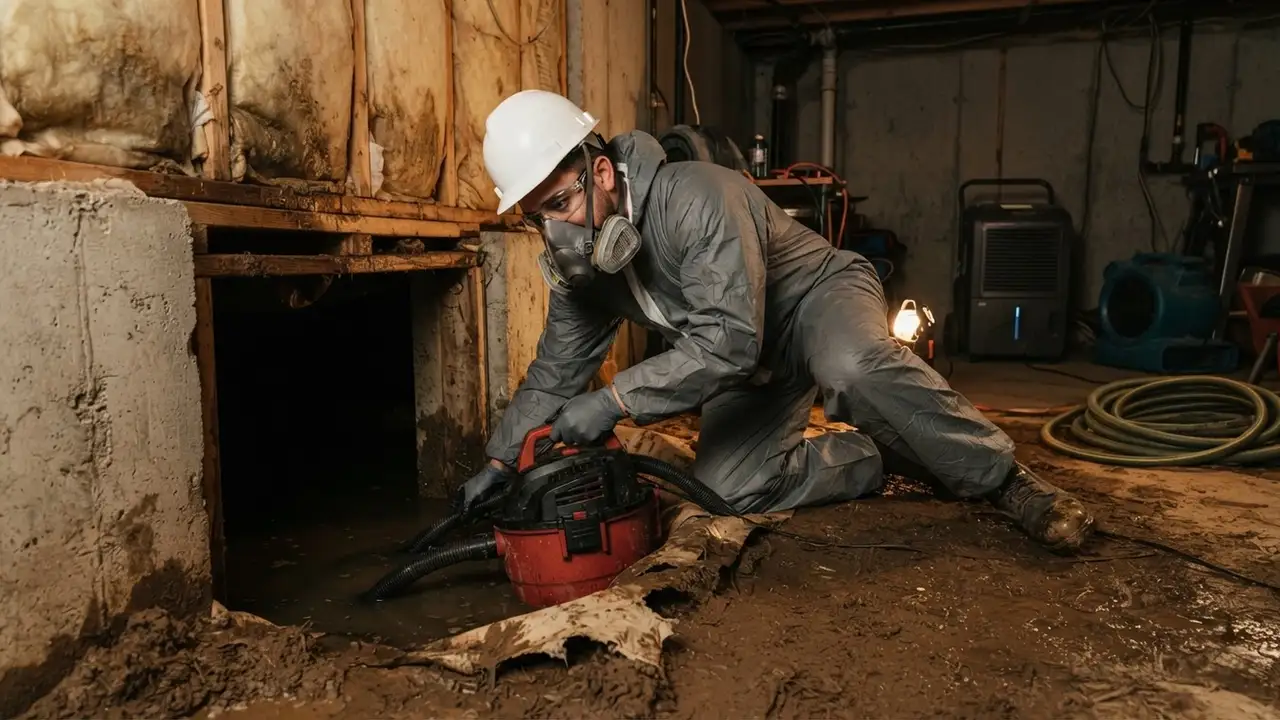
After: We inspected the water path, removed wet drywall and insulation, and cleaned the exposed framing. A wet/dry vacuum removed remaining water before drying equipment was set. Follow-up checks over four days documented the affected area and showed where rebuilding could proceed after the plumbing repair.
Insulate vulnerable plumbing and keep the utility-room area accessible for inspection. If the wall becomes damp again or a musty odor develops, investigate the pipe and cavity rather than covering the surface.
Problems Solved With Basement Mold Cleanup
If you are trying to understand how to remove black mold from basement walls safely in Hopkins MN, the first issue is not the color; it is the material and moisture beneath it. We assess the cause, contain the work, and select removal or cleaning methods that fit the affected surface.
Returning growthVisible growth returning on the same foundation wallRecurring spots usually mean moisture is still reaching the wall. Painting over them can hide deterioration and leave damp material behind the finish. We inspect the wall and nearby floor joint, check moisture levels, and look for seepage or condensation patterns. Our team removes affected porous finishes when needed, cleans suitable surfaces, and explains whether drainage or waterproofing work should follow. You get a plan that addresses the visible growth and the condition feeding it.
Hidden odorMusty odor with no obvious basement leakAn odor can come from damp insulation, stored materials, a hidden plumbing leak, or growth behind a finished wall, making surface cleaning ineffective. We trace the odor through the basement, inspect likely moisture paths, and use targeted readings to identify areas for closer review. If a cavity needs opening, we explain why before disturbing the finish. We then clean or remove affected materials and dry the structure based on what inspection finds.
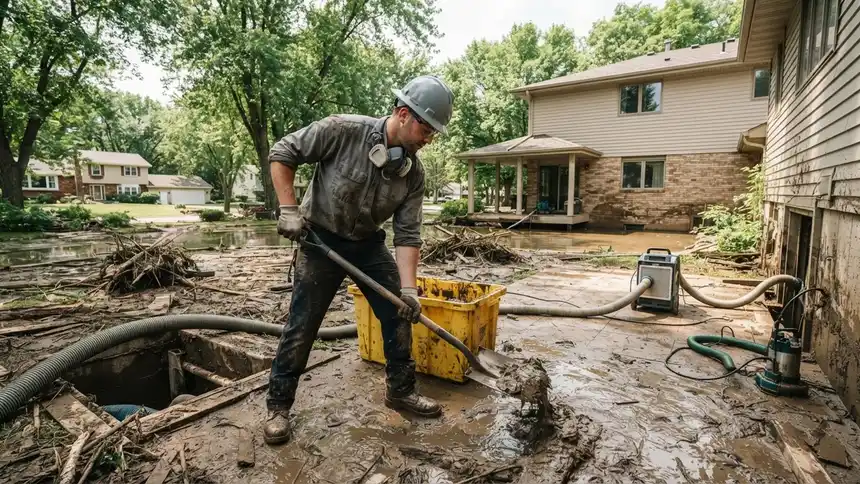
Pipe leakMold after a frozen pipe or water heater leakWater can travel beneath flooring and into wall cavities before the surface looks wet. Delayed drying gives growth more opportunity to develop. We identify the water path, remove unsalvageable porous materials, and dry the structure with equipment suited to the affected rooms. A wet/dry vacuum handles remaining water, while moisture checks guide drying. We also note whether plumbing repair or additional restoration needs coordination.
Wet finishesDamp insulation and damaged drywall in a finished roomWet insulation loses performance, and damaged drywall can conceal growth. Closing the wall too early risks trapping moisture in the assembly. We open only the affected section needed to assess the cavity, remove materials that cannot be cleaned or dried, and clean the exposed structure. After drying checks, we explain what is ready for reconstruction. Your repair contractor can then install suitable replacement materials, including mold-resistant drywall where appropriate.
What a Thorough Cleanup Changes
A clean work area, less hidden moisture, and a clear path to repairs.
Less Hidden Moisture
We map damp areas with a moisture meter and inspect around plumbing, foundation joints, and floor edges. Finding a wet pocket behind a finished wall helps prevent a cosmetic repair from hiding an active problem. Your technician explains which readings guided the work and whether the moisture source needs a plumbing or drainage repair.
Contained Work Area
Plastic sheeting and controlled work practices help separate the affected zone from occupied rooms. A HEPA vacuum captures fine debris during cleanup, while an air scrubber can help manage airborne particles when the work area requires it. You get a clearer path through the home and less spread of dust to clean afterward.
Materials Assessed Honestly
Mold-damaged drywall and insulation do not always respond to surface cleaning. We assess whether material is sound, cleanable, and dryable before deciding what to remove. That keeps the plan focused: salvage suitable framing, remove compromised porous materials, and avoid replacing sound finishes without a reason.
A Drier Basement Finish
After cleaning, we use air movers and a dehumidifier to support drying, then recheck the affected area. The goal is to leave you with a documented drying process and clear next steps for rebuilding or moisture prevention, rather than a freshly painted surface with damp materials still behind it.
What You Receive
Clear records you can keep and share.
Photo Log
Images of affected areas and completed cleanup.
Moisture Notes
Recorded observations from inspected materials.
Work Summary
Plain-language record of removal and cleaning.
Next-Step List
Items identified for drying, repair, or rebuilding.
Cleaning Versus Source Repair
Removing growth addresses affected materials; stopping water entry prevents the same conditions from returning.
Surface Cleanup
For suitable, cleanable materials with limited surface contamination.
Physical cleaning first
HEPA vacuuming as needed
Drying after treatment
Material Removal
For porous materials damaged or not reasonably cleanable.
Selective drywall removal
Affected insulation taken out
Exposed structure cleaned
Moisture Correction
For leaks, seepage, or humidity that keeps materials damp.
Trace water entry
Coordinate source repair
Check drying progress
Surfaces and Systems
Drywall
Insulation
Foundation walls
Framing
Floor joints
Utility rooms
Stored contents
Basement flooring
Service ZIP Codes.
A list like this tells people straight away whether you cover their street. Not listed? Call and ask: it only takes a minute.
We found mold behind a storage shelf after a slow pipe leak. The crew showed us where the moisture had traveled, put up plastic sheeting, and removed the damaged drywall instead of just spraying it. They also explained how the drying equipment worked and checked the wall again before we planned repairs. The basement utility area was usable again after the cleanup.
A musty smell kept coming back every spring, even after we cleaned the visible spot. The team checked the foundation wall and found dampness near a floor joint. They cleaned the affected area, removed a section of insulation, and talked us through drainage options. I appreciated getting a clear explanation of what was mold work and what needed a separate fix.
After a frozen pipe burst, water reached the finished basement and mold appeared behind the baseboard. The technicians contained the room, removed wet drywall, and used drying equipment while tracking the affected area. They shared photos and notes so I could coordinate repairs with the owner. The work was organized and the next steps were easy to understand.
Basement Mold Removal Questions
Typical 2026 pricing in Hopkins depends on affected square footage, material removal, containment, access, and whether water-source repairs are needed. We assess the area and explain the factors behind upfront pricing. Rebuilding, plumbing repairs, and major waterproofing are separate work when required.
For a patch larger than about 10 square feet, recurring growth, or mold on porous drywall, arrange a professional assessment rather than dry-scrubbing it. The safe approach depends on the material and moisture source. We contain the area, determine whether the wall can be cleaned or must be removed, use HEPA filtration, and dry the structure. If you are asking how to remove black mold from basement walls safely in Hopkins MN, avoid mixing cleaning chemicals or disturbing a large growth area.
Recurring mold usually means moisture is returning through seepage, condensation, a leak, or damp air, even after surface cleaning. In Hopkins, snowmelt, summer humidity, frozen pipe damage, and drainage problems can all keep basement materials wet. We check the wall, floor, plumbing, and ventilation clues, then identify what needs repair before cleanup. A dehumidifier can help control indoor humidity, but it will not stop an active leak or foundation entry point.
Choose a Hopkins provider that investigates moisture, explains material removal, contains the work area, and checks drying rather than only applying a surface treatment. Ask how the team protects adjacent rooms and documents affected areas. Our basement mold cleanup near me Hopkins service starts with those practical checks, then gives you a clear sequence for cleanup and any source repair. Call (833) 546-4116 to describe the affected area and arrange a conversation.
Tell us where you see growth, how long the area has been damp, and whether water is still entering. Our team will explain the next practical step for your basement. Call Hopkins Water Damage Company at (833) 546-4116 to discuss an inspection.
Call Hopkins Water Damage Company at (833) 546-4116 to describe a leak, fire, mold concern, or basement water problem. We connect you with independent companies serving Hopkins, Minnesota, including ZIP codes 55343 and 55305. Tell us the property type, affected area, and whether the source is still active so the provider can understand what help you need.